SAEDNEWS: Yellow leaves on indoor plants can result from improper watering, unsuitable light, poor soil, temperature changes, or natural aging. Identifying the cause helps improve plant care and maintain healthy growth.
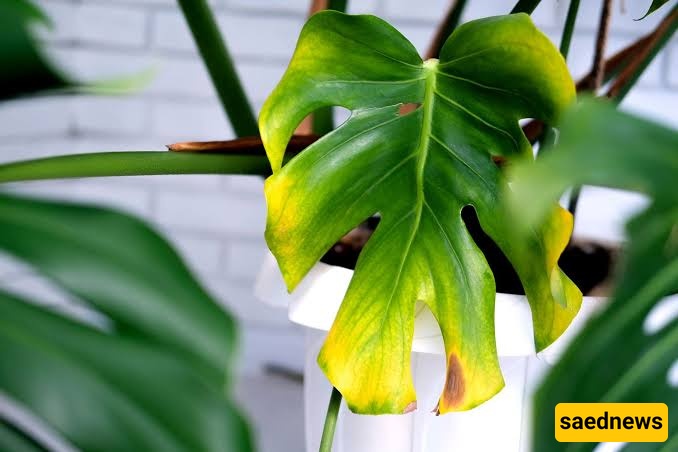
According to SAEDNEWS, yellow leaves often indicate that an indoor plant is experiencing stress. One of the most common causes is improper watering. Both too much and too little water can affect the roots and prevent the plant from maintaining healthy leaves. Checking the moisture level of the soil before watering can help prevent unnecessary problems.
Light also plays an important role in leaf color. A plant that receives too little light may gradually develop pale or yellow leaves, while intense direct sunlight can sometimes damage sensitive foliage. Placing the plant in a location with suitable, indirect light can help maintain healthier growth.
Poor soil conditions may also contribute to yellowing. When the soil does not drain properly, excess moisture can remain around the roots and create stress. In other cases, plants may not receive enough essential nutrients. Using suitable soil and providing appropriate plant nutrition can support stronger leaves and new growth.
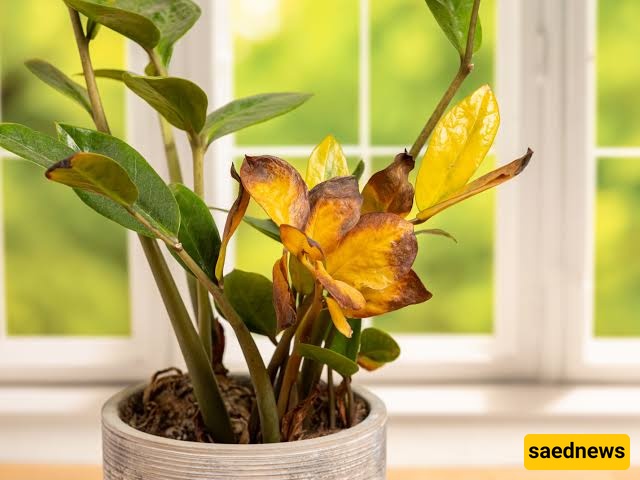
Sudden changes in temperature can cause indoor plants to react with yellowing leaves. Cold drafts, excessive heat, or placing a plant too close to a heating source may create unfavorable conditions. Keeping plants away from extreme temperature changes and maintaining a relatively stable environment can reduce stress.
Not every yellow leaf indicates a serious problem. Older leaves naturally become yellow before they fall from the plant, especially when new leaves are developing. If only a few of the oldest leaves are changing color while the rest of the plant looks healthy, natural aging may be the reason. Observing the overall condition of the plant can help distinguish normal changes from care problems.