SAEDNEWS: One of the most widely used and popular laundry care products is fabric softener. It helps make fabrics feel softer and smoother while leaving clothes with a pleasant, fresh fragrance.
According to Saednews, Fabric softeners have been used for many years to make clothes and fabrics softer and smoother during machine washing. In the past, clothes were generally washed using only laundry detergent, whether in powder or liquid form. With the introduction of fabric softeners, clothes can come out of the washing machine feeling softer, producing less static electricity, and carrying a pleasant fragrance.
If you are using fabric softener in your washing machine for the first time, understanding when and how to use it is important. Using the right amount at the right stage of the wash cycle can help you achieve better results.
Fabric softener provides the desired softness only when it is used correctly and at the appropriate stage of the washing process.
One of the most important things to remember is not to overload the washing machine. Ideally, the drum should be filled to around two-thirds of its capacity. This allows water, detergent, and fabric softener to circulate properly among the clothes.
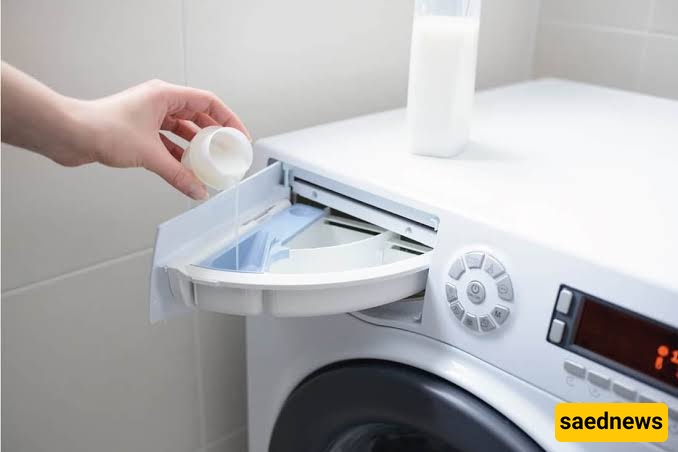
Fabric softener should not normally be poured directly onto clothing. Instead, it should be placed in the designated fabric-softener compartment of the washing machine. From there, it will be released into the drum at the appropriate stage of the cycle.
Many modern washing machines have a separate compartment specifically designed for fabric softener. Depending on the model, the dispenser may have separate sections for detergent and softener. Always follow the markings on the dispenser and the manufacturer's instructions.
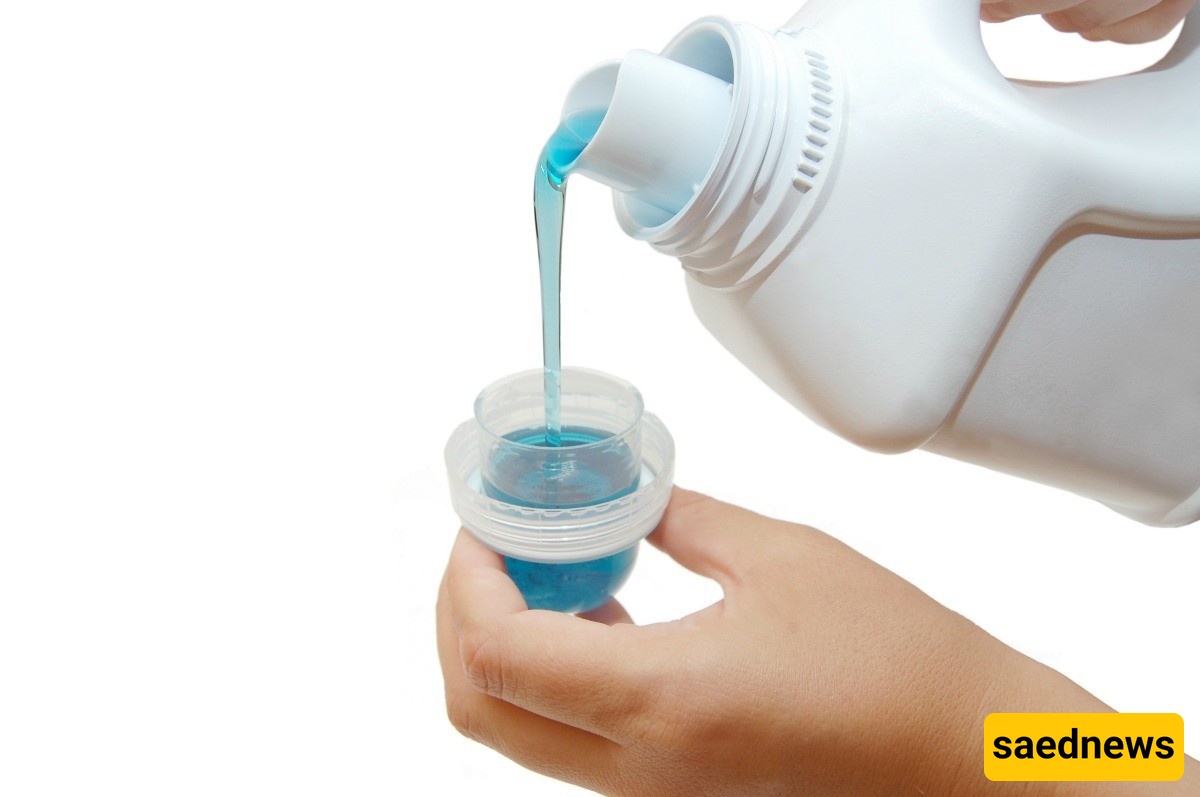
The appropriate amount of fabric softener also depends on the type and quantity of clothes being washed. Avoid exceeding the recommended amount, as using too much does not necessarily make clothes softer.
Fabric softener generally does not work during the initial washing stage. It is usually released during the final rinse after the clothes have been washed.
One of the main benefits of fabric softener is that it helps reduce the rough or dry feeling that fabrics can develop after washing. It coats the fibers, making fabrics feel smoother and more flexible.
Once released during the rinse cycle, the softener circulates through the fabrics and interacts with their fibers. This can make clothes feel softer after the washing cycle is complete.
Another benefit is the reduction of static electricity, particularly in fabrics that tend to generate static. Fabric softener can also make some clothes easier to iron by reducing stiffness and improving the smoothness of the fabric.
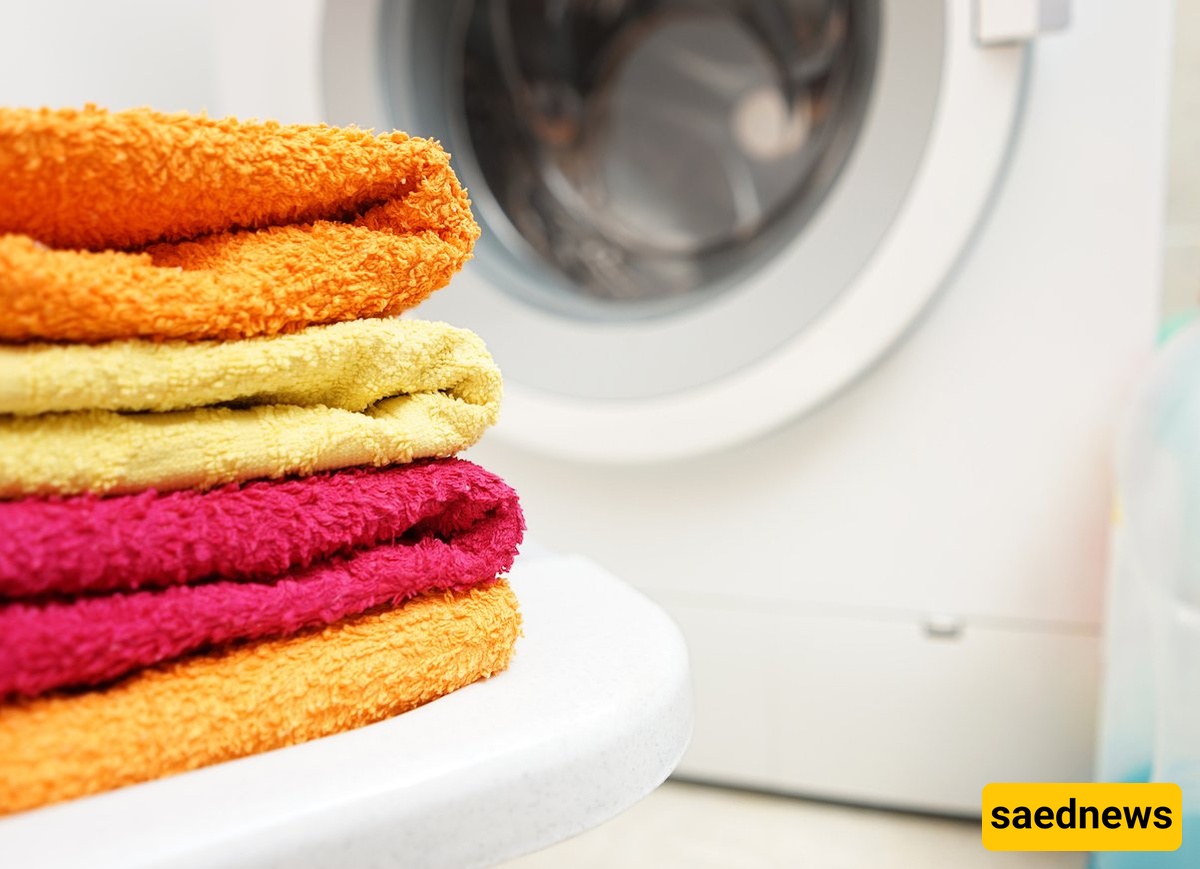
Sometimes clothes may come out of the washing machine feeling rough or carrying static electricity even though fabric softener was added to the dispenser. Several factors can cause this problem.
If too many clothes are placed inside the drum, water and fabric softener may not circulate effectively. Leaving enough space inside the drum allows the washing solution and rinse water to move freely.
If the amount is below the recommended level, there may not be enough softener to provide the desired effect. However, increasing the amount excessively is not a solution; follow the dosage instructions on the product.
Some washing machines use a removable insert, siphon, or cap inside the fabric-softener compartment. If this component is not installed correctly, the softener may not be released properly.
Low water pressure can interfere with the proper operation of the detergent dispenser and may prevent the fabric softener from being flushed into the drum.
Another common problem is finding fabric softener still sitting in the dispenser after the washing cycle has finished. When this happens, the clothes may not have received the softener properly, and the dispenser may need to be cleaned.
Here are some possible causes:
Very cold water can make some fabric softeners more difficult to flow through the dispenser, particularly if the product is thick. This can cause residue to remain inside the compartment.
Filling the compartment beyond its recommended level can prevent the softener from being released correctly.
Some fabric softeners have a thicker consistency and may not flow easily through the dispenser. Diluting the product should only be done if the product instructions or washing-machine manufacturer specifically allow it.
Residue from fabric softener can gradually build up inside the compartment, siphon, or water channels. Regularly removing and cleaning the dispenser can help prevent this problem.
Fabric softener should be placed in the compartment marked for softener, rather than the main-wash detergent compartment. The exact layout varies between washing-machine models.
To use fabric softener effectively:
Do not overload the washing machine.
Use the recommended amount of fabric softener.
Place the product in the correct dispenser compartment.
Do not pour concentrated softener directly onto clothes.
Keep the dispenser clean and free of residue.
Make sure the dispenser's internal insert or siphon is installed correctly.
Check that the washing machine has adequate water pressure.
Follow the washing-machine and fabric-softener manufacturer's instructions.
Fabric softener can make clothes feel softer and smoother, reduce static electricity, and sometimes make ironing easier. However, these benefits depend largely on using the product correctly.
Using too much softener, overloading the washing machine, placing the product in the wrong compartment, or allowing residue to build up in the dispenser can prevent the softener from working properly.
For the best results, use the recommended amount, place it in the designated compartment, avoid overloading the drum, and keep the dispenser clean. These simple steps can help ensure that the fabric softener is released properly and reaches the clothes during the appropriate stage of the washing cycle.