SAEDNEWS: Selecting the best plant-based oil for brighter-looking facial skin depends on your skin type, budget, and specific skincare needs. Read on to discover the options that may work best for you.
According to Saednews, Having skin that looks clear, healthy, and even-toned is a common skincare goal. Everyday exposure to sunlight, environmental pollution, dryness, and irritation can contribute to uneven pigmentation and a dull appearance. As a result, many people are interested in natural ingredients that may support brighter-looking skin.
Plant oils are widely used in skincare because they contain fatty acids, antioxidants, and other nourishing compounds. However, it is important to understand that these oils do not permanently “whiten” the skin. Instead, some may help improve the appearance of dark spots, support the skin barrier, reduce dryness, and promote a more even-looking complexion.
So, which plant oils may be useful for improving facial skin tone?
Uneven skin tone can develop for several reasons, including sun exposure, inflammation, acne marks, and skin dehydration. Certain plant oils may support healthier-looking skin through several mechanisms:
Antioxidant protection: Compounds such as vitamin E and polyphenols can help protect skin from oxidative stress caused by environmental factors.
Skin-barrier support: Essential fatty acids can help maintain the skin barrier and reduce moisture loss.
Anti-inflammatory effects: Some plant oils contain compounds that may help calm irritated skin and reduce the appearance of post-inflammatory discoloration.
Moisturization: Well-hydrated skin generally appears smoother, softer, and more radiant.
Support for an even complexion: Some natural compounds may influence processes involved in pigmentation, although their effects are generally modest compared with proven dermatological treatments.
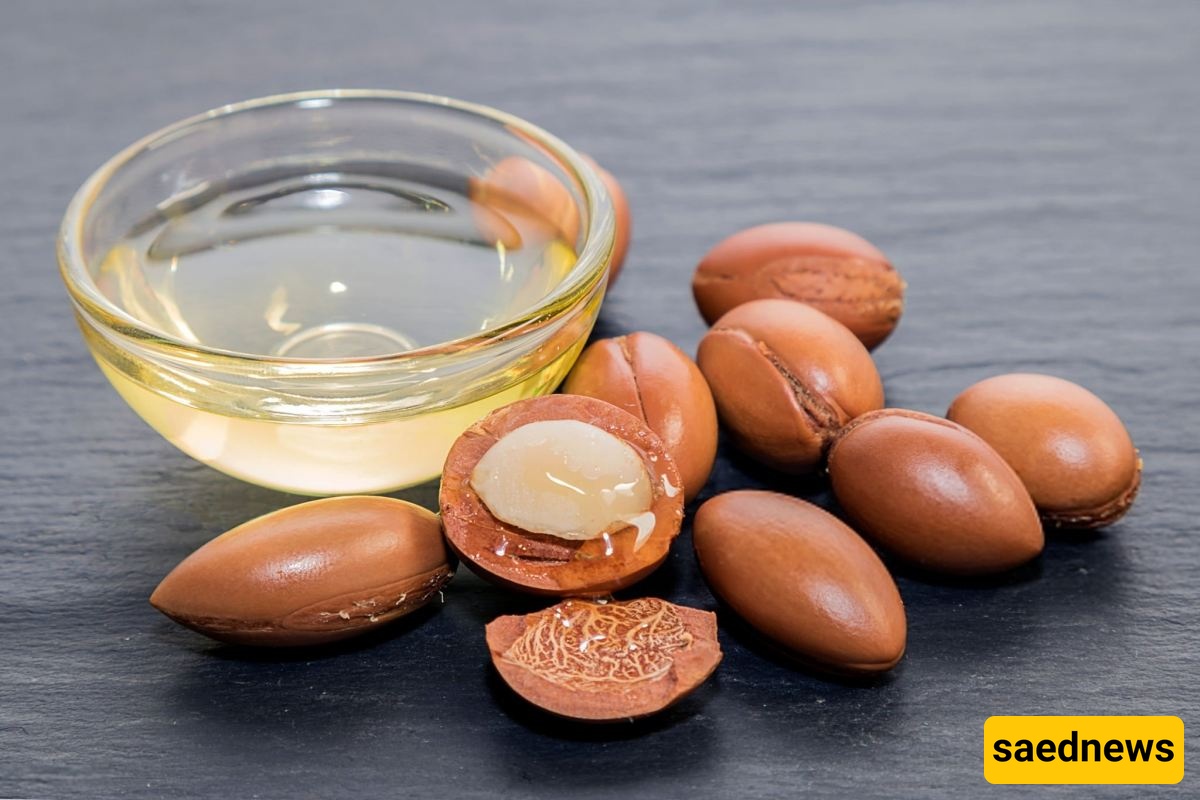
Argan oil is rich in vitamin E, fatty acids, and antioxidant compounds, making it a popular ingredient for nourishing and moisturizing the skin.
Potential benefits:
Helps support the skin barrier
Provides antioxidant protection
May improve the appearance of dry, dull skin
Can help keep the skin soft and supple
How to use it:
Apply a few drops to clean, slightly damp skin and gently massage. It can be used as part of an evening skincare routine.
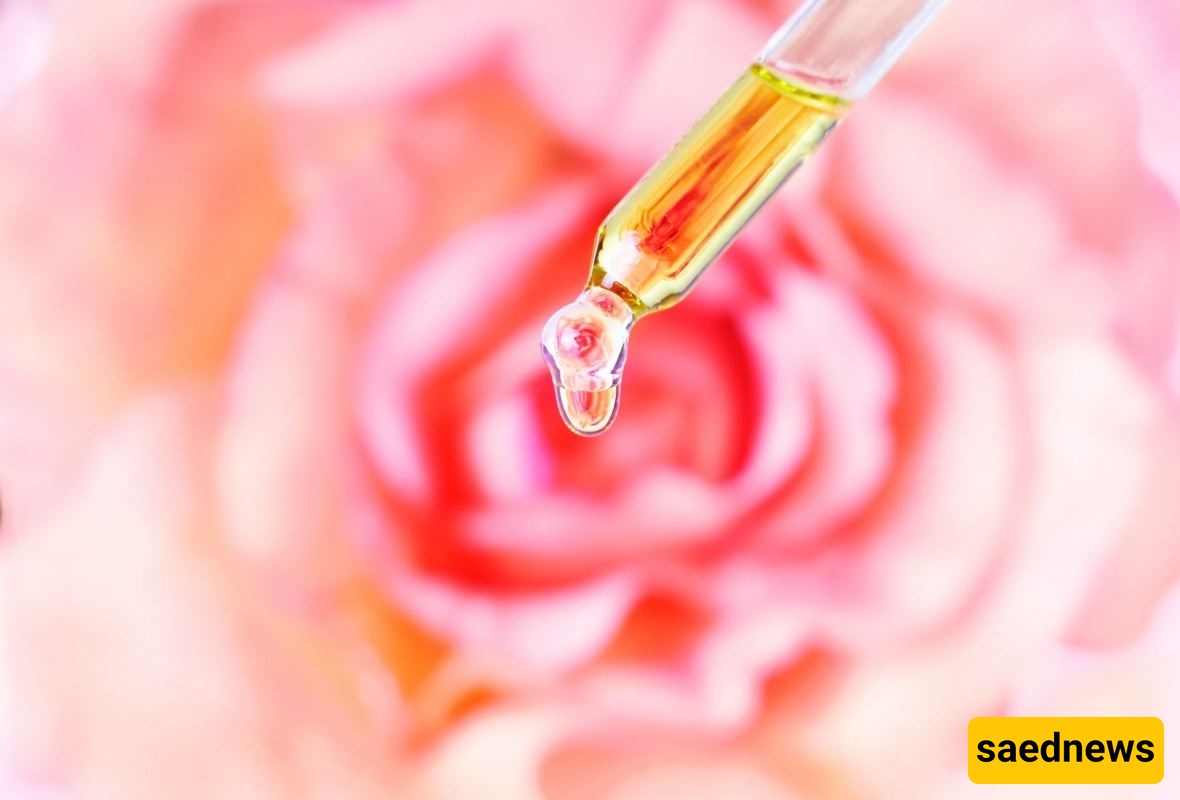
Rosehip oil is extracted from the seeds of rose plants and contains essential fatty acids and naturally occurring carotenoids and other antioxidant compounds. It is particularly popular for improving the appearance of uneven skin tone and post-acne marks.
Potential benefits:
May help improve the appearance of dark spots
Supports smoother-looking skin
Helps moisturize dry skin
May contribute to a more even complexion
How to use it:
Apply two or three drops to clean skin, preferably in the evening. If your skin is sensitive, begin with a small amount and use it less frequently.
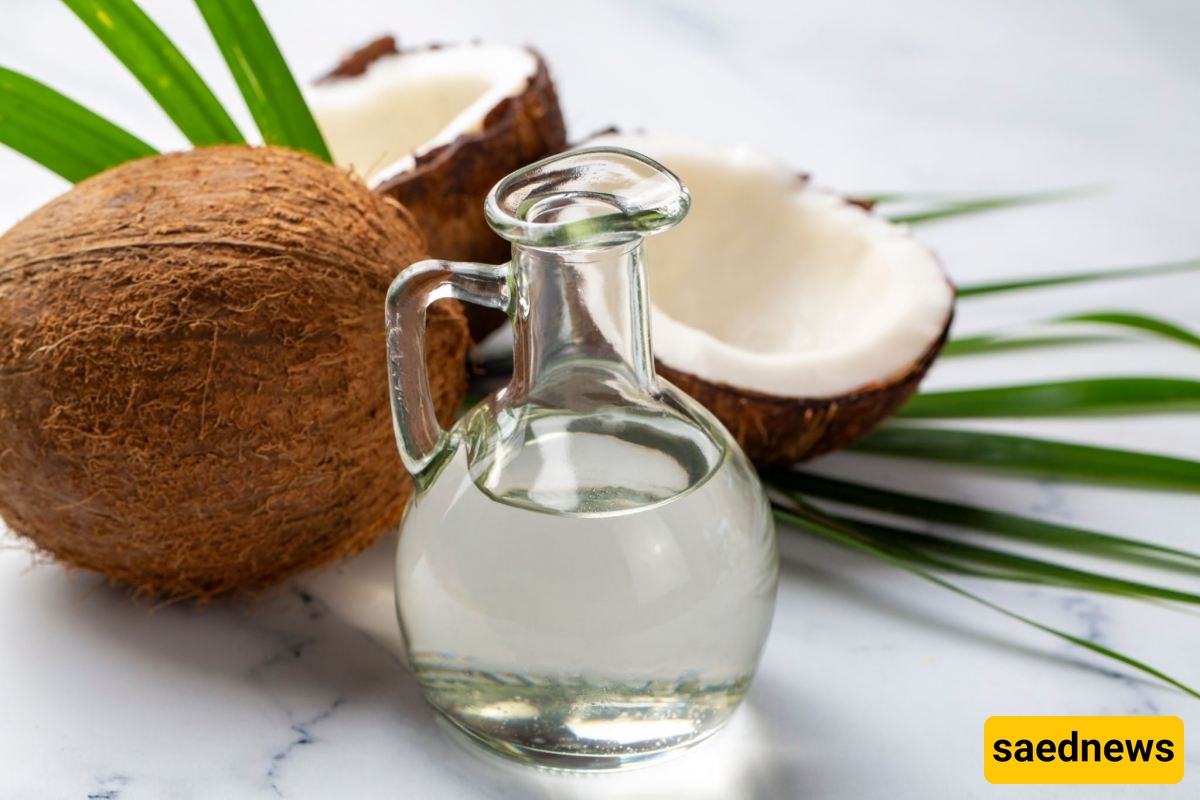
Coconut oil is rich in fatty acids and is commonly used as an emollient for dry skin. Its moisturizing properties can make the skin appear smoother and healthier.
Potential benefits:
Helps reduce moisture loss
Softens dry skin
Supports the skin barrier
May help soothe some forms of irritation
Important note:
Coconut oil can clog pores in some people and may not be the best choice for oily or acne-prone skin.
How to use it:
Use a small amount on areas of dry skin. If you are prone to breakouts, consider a lighter, non-comedogenic moisturizer instead.
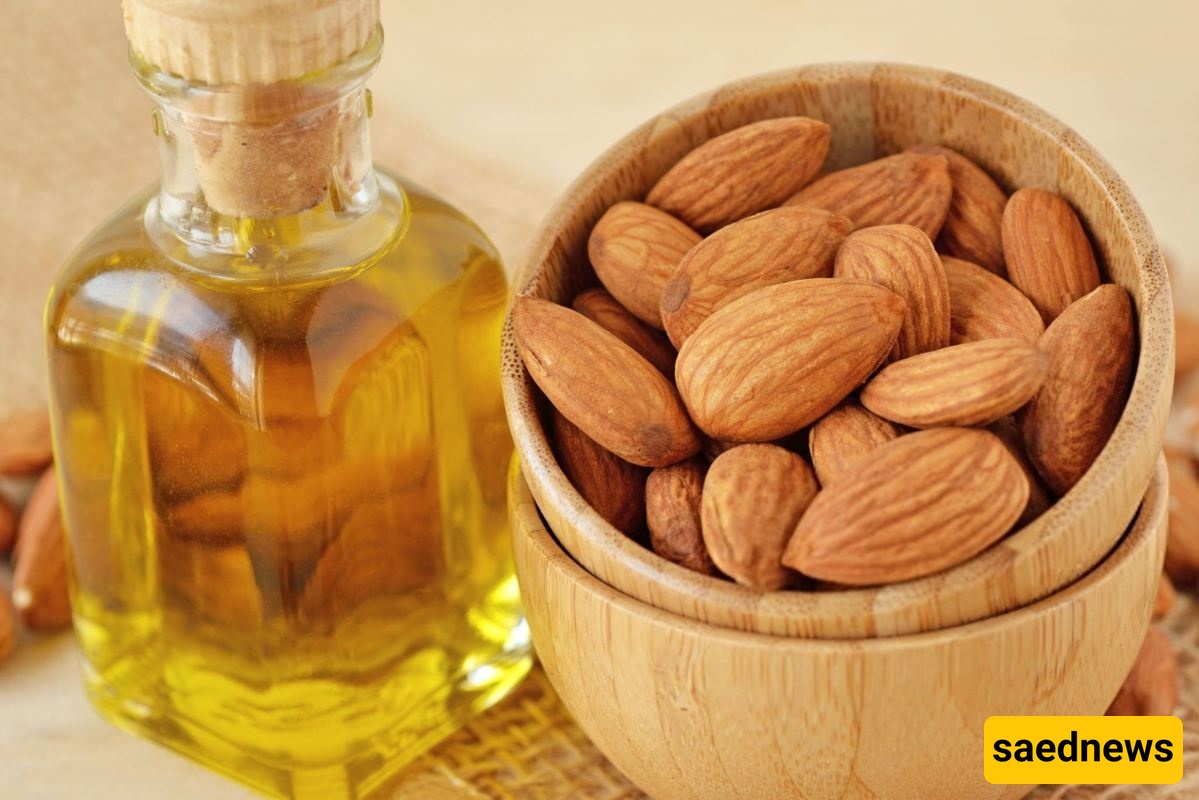
Sweet almond oil contains vitamin E and fatty acids and is generally considered a lightweight, nourishing oil.
Potential benefits:
Helps moisturize the skin
Supports a healthy skin barrier
Can make dry skin feel smoother
May improve the appearance of dullness caused by dehydration
How to use it:
Apply a small amount to clean skin as a moisturizer. Avoid using it if you have an almond allergy.
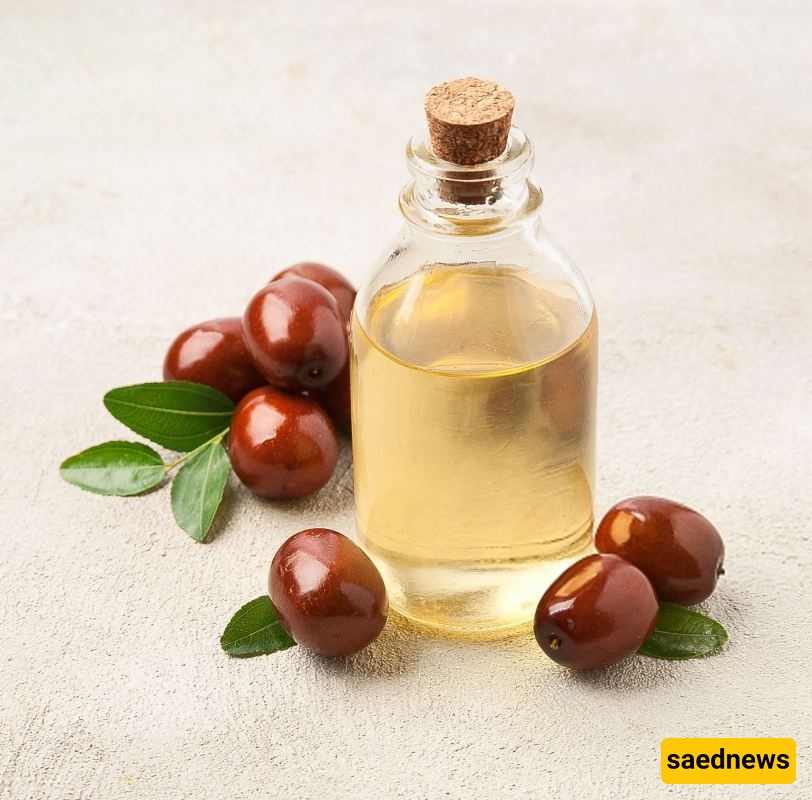
Jojoba oil has a chemical structure that is similar to some of the lipids naturally found on the skin. It is lightweight and is often used in products designed for oily or combination skin.
Potential benefits:
Helps moisturize without a heavy feel
Supports the skin barrier
May be suitable for oily and combination skin
Can help reduce the dryness associated with some acne treatments
How to use it:
Apply a few drops to clean skin, either alone or after a water-based moisturizer.
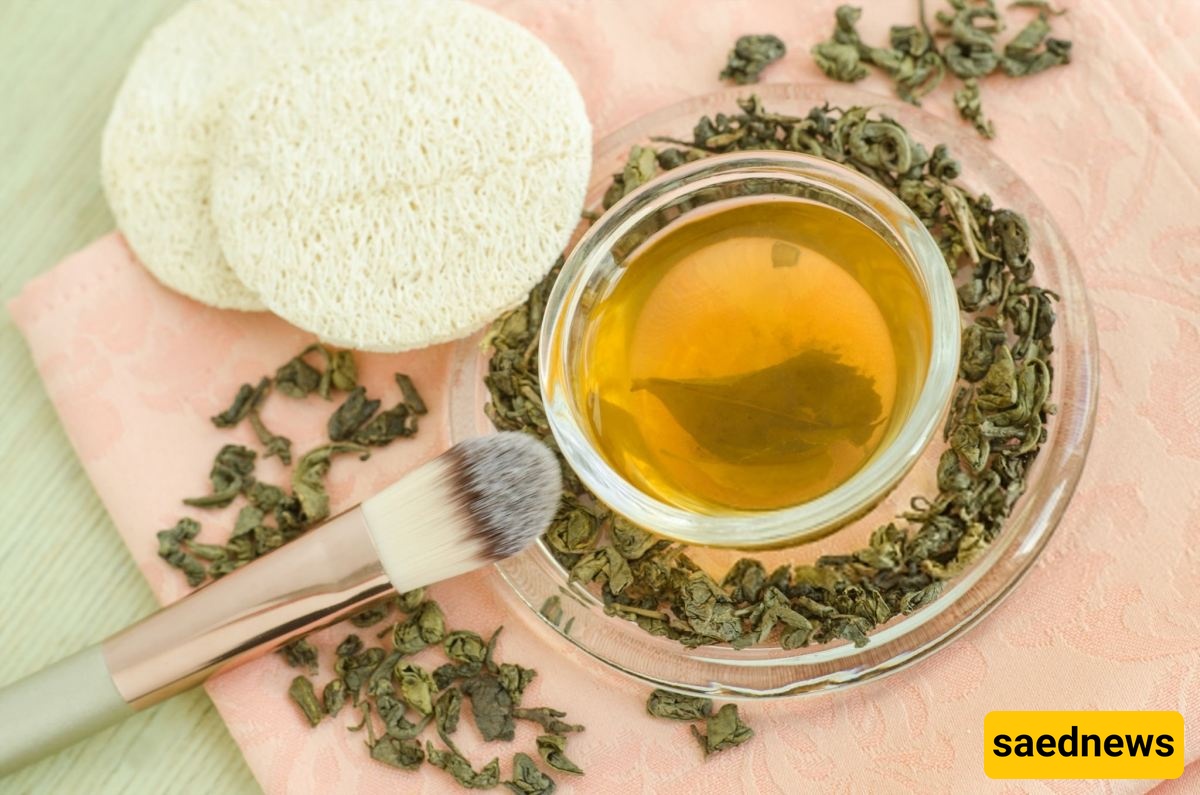
Green tea is better known in skincare for its polyphenols, particularly catechins, which have antioxidant and anti-inflammatory properties. Products containing green tea extracts may help support the appearance of skin affected by environmental stress.
Potential benefits:
Provides antioxidant support
May help calm irritated skin
Can support a healthier-looking complexion
May help reduce the visible effects of environmental stress
How to use it:
Follow the instructions for the specific green tea skincare product. Do not apply concentrated essential oils directly to the face without appropriate dilution.
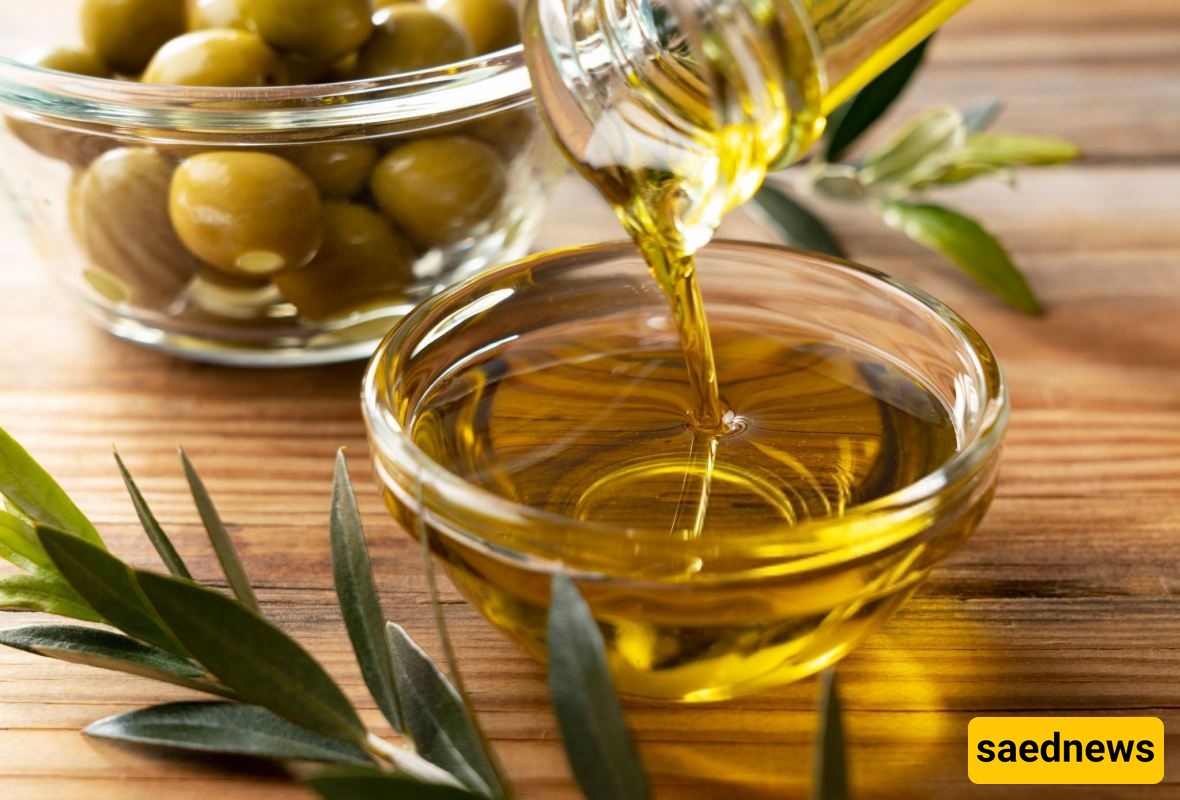
Extra-virgin olive oil contains fatty acids, vitamin E, polyphenols, and other compounds that can help moisturize the skin.
Potential benefits:
Helps soften dry skin
Supports moisture retention
Provides antioxidant compounds
May improve the appearance of rough or dehydrated skin
Important note:
Olive oil can feel heavy on oily or acne-prone skin, and some people may find that it contributes to clogged pores or irritation.
Plant Oil | Main Skin Benefit | Best Suited For | Absorption |
|---|---|---|---|
Argan oil | Moisturization and barrier support | Most skin types | Fast |
Rosehip oil | Uneven tone and skin nourishment | Normal to dry skin | Moderate |
Coconut oil | Intensive moisturization | Dry skin | Slow |
Sweet almond oil | Softening and hydration | Normal to dry skin | Fast |
Jojoba oil | Lightweight hydration | Oily and combination skin | Very fast |
Green tea-derived products | Antioxidant support | Various skin types | Depends on formulation |
Olive oil | Moisturization | Dry or mature skin | Slow |
Patch test first.
Apply a small amount of the product to a limited area of skin before using it on your face. Stop using it if you experience significant redness, itching, burning, or irritation.
Introduce one product at a time.
Using several new oils or skincare ingredients simultaneously makes it difficult to determine which product is helping—or causing irritation.
Use sunscreen every day.
Sun exposure is one of the most important contributors to hyperpigmentation. A broad-spectrum sunscreen with an appropriate SPF can help prevent existing dark spots from becoming more noticeable.
Choose an oil according to your skin type.
Heavy oils may not be ideal for oily or acne-prone skin, while dry skin may benefit from richer formulations.
Be cautious with lemon juice.
Although some natural skincare recipes recommend mixing oils with lemon juice, applying citrus juice to the skin can cause irritation and increase the risk of light-related skin reactions. It is generally safer to use properly formulated skincare products.
Give skincare time.
Improving the appearance of uneven pigmentation is usually gradual. Consistent skincare and sun protection are more important than repeatedly changing products.
Plant oils can be useful additions to a skincare routine, particularly when the goal is to moisturize the skin, support the skin barrier, and improve the appearance of dull or uneven skin. Argan oil, rosehip oil, jojoba oil, sweet almond oil, coconut oil, olive oil, and green tea-derived products each offer different benefits.
However, these oils should not be considered skin-whitening treatments. They cannot change a person's natural skin color, and evidence for their ability to significantly reduce melanin production is limited compared with established dermatological ingredients.
For a healthier and more even-looking complexion, the most important steps are gentle cleansing, adequate moisturization, daily sun protection, and consistent skincare. If dark spots persist or become more noticeable, a dermatologist can recommend treatments with stronger evidence for hyperpigmentation.