SAEDNEWS: Seaweed is increasingly recognized as a natural skincare ingredient that may help support youthful, healthy-looking, and refreshed skin.
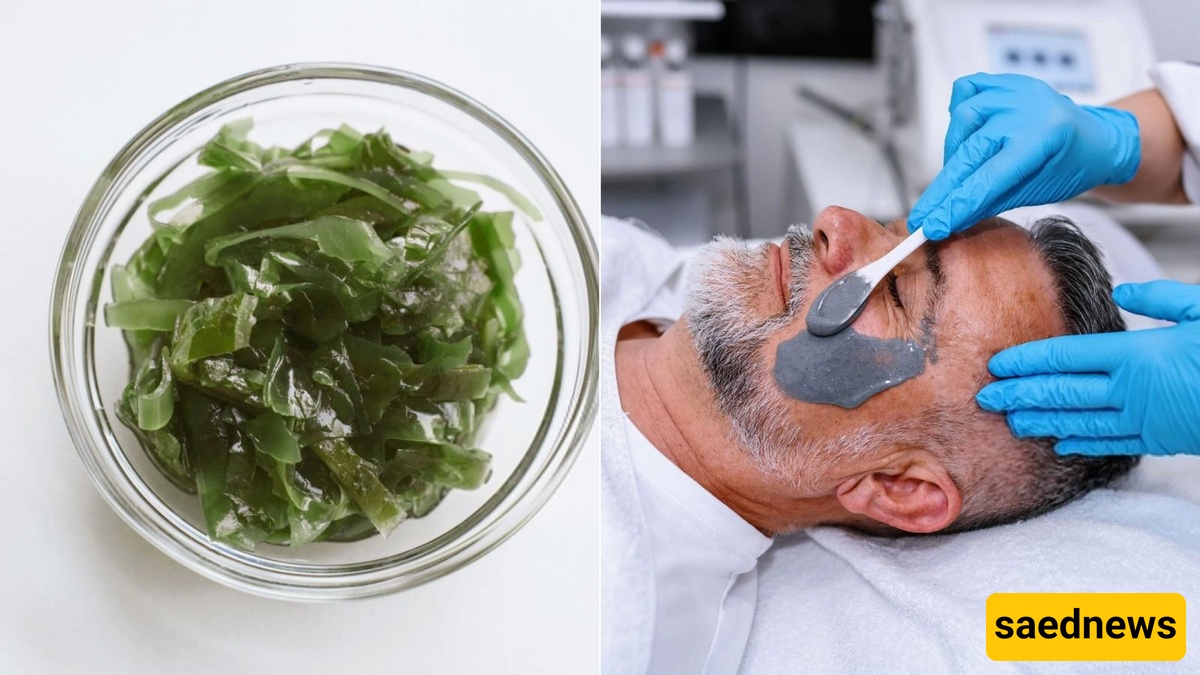
According to Saednews, Seaweed refers to a diverse group of aquatic plants and organisms that grow in the salty waters of seas and oceans. These natural ingredients have held an important place in Asian food cultures for thousands of years and are generally divided into three main categories: green seaweeds, such as Ulva; brown seaweeds, such as kelp and Fucus; and red seaweeds, such as nori and carrageenan-producing species.
What makes seaweed particularly interesting for skincare is its rich and complex nutritional profile.
Vitamins: Seaweed contains B vitamins as well as vitamins C, E, and K.
Minerals: It provides iodine, calcium, magnesium, potassium, zinc, iron, and selenium.
Antioxidants: Compounds such as fucoxanthin and carotenoids help combat free radicals.
Omega-3 fatty acids: These support the skin's lipid barrier and help maintain healthy moisture levels.
Alginate and fucoidan: These gel-forming and anti-inflammatory compounds can contribute to skin hydration and soothing.
Because of these components, seaweed extracts are widely used as ingredients in facial serums, masks, creams, and lotions.

One of the most notable potential benefits of seaweed for skin is its ability to support hydration and moisture retention. Dry skin can cause an uncomfortable feeling of tightness and may make fine lines appear more noticeable.
Seaweed contains polysaccharides and alginates that can bind water and help maintain moisture within the skin's outer layers.
As a result, the skin may look fresher and more supple in the short term, while consistent moisturization can also support the skin barrier and reduce excessive moisture loss.
Unlike some products that primarily create a protective layer on the surface, certain seaweed-derived compounds can interact with the upper layers of the epidermis and help improve the skin's ability to retain water. This can contribute to a softer and more flexible appearance.
As we age, exposure to ultraviolet radiation, environmental pollution, and other forms of oxidative stress can contribute to changes in collagen and elastin. These proteins are important for maintaining the skin's firmness and elasticity. As their levels and structural integrity decline, fine lines and wrinkles can become more visible.
Seaweed may support the appearance of youthful skin in several ways.
Supporting collagen production: Certain compounds found in seaweed, including fucoxanthin and various bioactive peptides, have been investigated for their effects on skin cells involved in collagen production. Supporting collagen-related processes may help maintain skin firmness and reduce the appearance of fine lines.
Combating free radicals: Seaweed contains antioxidant compounds, including vitamin C and various phenolic substances, which can help neutralize free radicals. These unstable molecules can contribute to oxidative stress and premature skin aging.
Reducing oxidative stress: Some seaweed compounds may support the skin's natural antioxidant defense systems, helping it cope with environmental stressors.
Together, these properties may contribute to smoother-looking skin, improved firmness, and a healthier overall appearance. This is one reason seaweed extracts are frequently found in skincare products designed for mature or environmentally stressed skin.

Acne is one of the most common skin concerns and can affect both teenagers and adults. Excess oil production, clogged pores, bacterial activity, and inflammation can all contribute to breakouts.
Seaweed contains compounds with antibacterial, anti-inflammatory, and skin-conditioning properties that may make it useful in skincare routines for acne-prone skin.
Antibacterial properties: Fucoidan and other seaweed-derived compounds have been studied for their potential antibacterial activity against microorganisms associated with acne. However, seaweed should not be considered a replacement for clinically proven acne treatments.
Reducing inflammation: Anti-inflammatory compounds found in some seaweeds may help calm visible redness and irritation associated with inflammatory blemishes.
Supporting oil balance: Minerals such as zinc and magnesium are involved in normal skin function and may contribute to maintaining a balanced skin environment.
Helping keep pores clean: Seaweed-based formulations can contain hydrating and film-forming compounds that support cleansing and skin conditioning. Their effectiveness depends largely on the complete formulation rather than seaweed alone.
Healthy, radiant-looking skin is often associated with an even complexion. Dark spots caused by sun exposure, post-acne marks, and other forms of hyperpigmentation can make the complexion appear uneven.
Some seaweed-derived compounds have been investigated for their ability to influence tyrosinase, an enzyme involved in melanin production. By potentially reducing excessive melanin formation, these ingredients may help improve the appearance of uneven pigmentation over time.
Seaweed also provides antioxidant compounds that can support the skin against oxidative stress. Vitamin C, when present in a stable and effective formulation, can contribute to a brighter-looking complexion and supports normal collagen production.
However, the effectiveness of any brightening product depends on the concentration, formulation, and stability of its active ingredients.
The skin acts as the body's first physical barrier against the outside environment. Every day, it encounters ultraviolet radiation, air pollution, smoke, chemicals, and other environmental stressors.
When the skin barrier becomes compromised, moisture loss can increase and the skin may become more sensitive, dry, or irritated.
Seaweed-derived ingredients can support the skin barrier by helping maintain hydration and reinforcing the skin's surface lipid environment. Certain fatty acids and polysaccharides found in seaweed may contribute to moisture retention and skin conditioning.
Polyphenols and other antioxidant compounds may also help protect skin cells from oxidative stress caused by environmental factors.
Research into brown seaweed extracts has shown promising results regarding skin hydration, barrier function, and the appearance of redness. However, results vary depending on the species of seaweed, extraction method, concentration, and overall formulation.
There are several ways to incorporate seaweed-derived ingredients into skincare. The best option depends on your skin type, goals, and the particular formulation.
Ready-made masks: Sheet, cream, and clay masks containing seaweed extracts are widely available. They are convenient and can provide temporary hydration and a refreshed appearance. Follow the frequency recommended on the product label.
Seaweed extracts and gels: Some skincare products contain concentrated seaweed extracts or gels that can be applied as part of a moisturizing routine. Because natural extracts can vary considerably in stability and preservation, it is important to follow the manufacturer's storage instructions.
Daily creams and serums: Seaweed extracts are commonly included in moisturizers, night creams, and serums. These products can be used regularly as part of a broader skincare routine.
Dietary consumption: Seaweed can also be consumed as food. It provides various nutrients, but excessive consumption may result in excessive iodine intake. People with thyroid conditions or those taking medications affected by iodine intake should consult a healthcare professional before consuming large amounts of seaweed.
Although topical seaweed-based skincare products are generally well tolerated, a few precautions are worth keeping in mind.
Allergies and sensitivity: People who are sensitive to seafood, iodine, or specific marine ingredients may experience a reaction to certain seaweed products. A patch test on a small area of skin is a sensible precaution when trying a new product.
Patch testing: For a first-time application, place a small amount of the product on a discreet area, such as behind the ear or on the inner arm, and monitor the area for signs of irritation or an allergic reaction.
Iodine intake: Seaweed can contain significant amounts of iodine. While topical use generally contributes little iodine to the body, excessive dietary consumption can affect thyroid function in susceptible individuals.
Product freshness: Always check the expiration date and follow storage instructions. Products containing natural extracts can deteriorate over time, particularly when improperly stored.
Seaweed is a fascinating marine ingredient with a wide range of compounds that can benefit skincare formulations. Its vitamins, minerals, antioxidants, polysaccharides, and fatty acids make it particularly useful for supporting hydration, skin-barrier function, soothing, and the appearance of healthy, youthful skin.
Rather than viewing seaweed as a miracle cure, it is more useful to consider it as one potentially valuable ingredient within a well-formulated skincare product. Its effectiveness can vary depending on the type of seaweed, extraction process, concentration, and the other ingredients used alongside it.
A consistent skincare routine, adequate hydration, balanced nutrition, sun protection, and sufficient sleep remain important foundations for maintaining healthy-looking skin.
When selected carefully and used appropriately, seaweed-based skincare can be a simple way to incorporate marine-derived ingredients into your daily routine while supporting a smoother, hydrated, and more radiant complexion.