SAEDNEWS: A healthy breakfast can play an important role in lowering bad cholesterol (LDL) and increasing good cholesterol (HDL). This article introduces some of the best food choices to include at the start of your day to support healthier cholesterol levels.

According to Saednews, High cholesterol is one of the most common health concerns worldwide, affecting millions of people. Often described as a “silent condition,” high cholesterol can gradually contribute to damage inside the blood vessels without causing noticeable symptoms, increasing the risk of heart disease and stroke.
The good news is that smart dietary choices—especially at breakfast—can play an important role in supporting healthy cholesterol levels.
Breakfast is an opportunity to provide the body with fiber, healthy fats, protein, vitamins, and other essential nutrients. Choosing the right foods may help lower LDL (“bad”) cholesterol while supporting overall heart health.
In this guide, we’ll explore some of the best breakfast options for people with high cholesterol, foods that may be better limited, and practical ideas for building a balanced morning meal.

A nutritious breakfast can contribute to a healthier overall eating pattern. It can also help you:
Increase your intake of soluble fiber
Stay satisfied and reduce unnecessary snacking later in the day
Choose healthier sources of fat
Include more fruits, whole grains, nuts, and seeds in your diet
Support better overall metabolic health
Soluble fiber is particularly important because it can help reduce the absorption of cholesterol in the digestive tract.
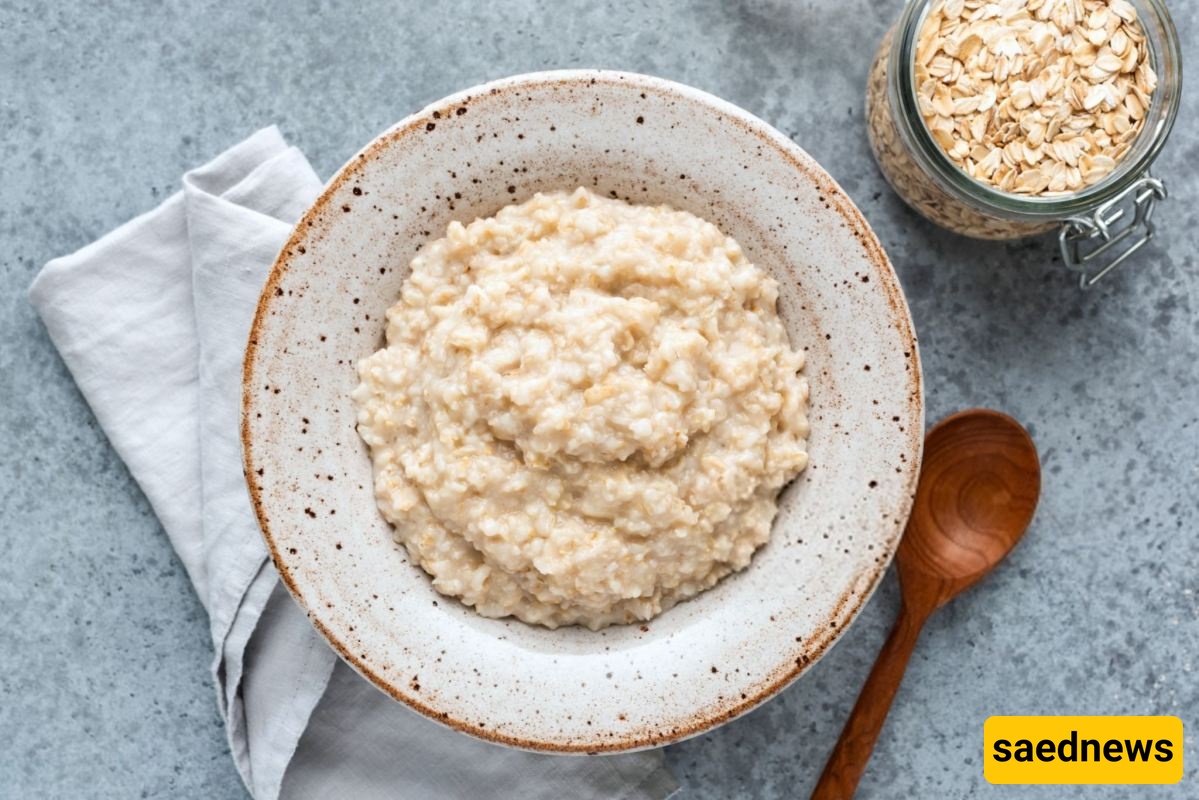
Oatmeal is one of the most popular breakfast options for people looking to improve their cholesterol levels. Oats contain beta-glucan, a type of soluble fiber that can help reduce LDL cholesterol when consumed as part of a heart-healthy diet.
Prepare a bowl of oatmeal with low-fat milk or an unsweetened plant-based milk. Add fresh fruit such as:
Berries
Apples
Bananas
Pears
You can also add chia seeds, ground flaxseed, or a small amount of nuts for additional fiber and healthy fats.
Tip: Choose plain rolled oats or steel-cut oats more often than flavored instant oatmeal, which can contain significant amounts of added sugar.
Eggs provide high-quality protein along with nutrients such as choline and several B vitamins. For most healthy people, moderate egg consumption can fit into a balanced diet.
The effect of eggs on blood cholesterol can vary from person to person, so people with very high cholesterol or certain medical conditions should discuss their individual intake with a healthcare professional.
Try:
Boiled eggs
Poached eggs
Scrambled eggs with vegetables
Eggs cooked with a small amount of olive or canola oil
Instead of pairing eggs with bacon, sausage, butter, or high-fat cheese, combine them with vegetables and whole-grain bread.

Avocados are rich in monounsaturated fats, which can be a healthier replacement for saturated fats in the diet. They also provide fiber, potassium, and other nutrients.
Mash half an avocado and spread it on whole-grain toast. Add lemon juice, black pepper, and a small amount of salt for flavor.
Avocado can also be added to an omelet, grain bowl, or breakfast salad.

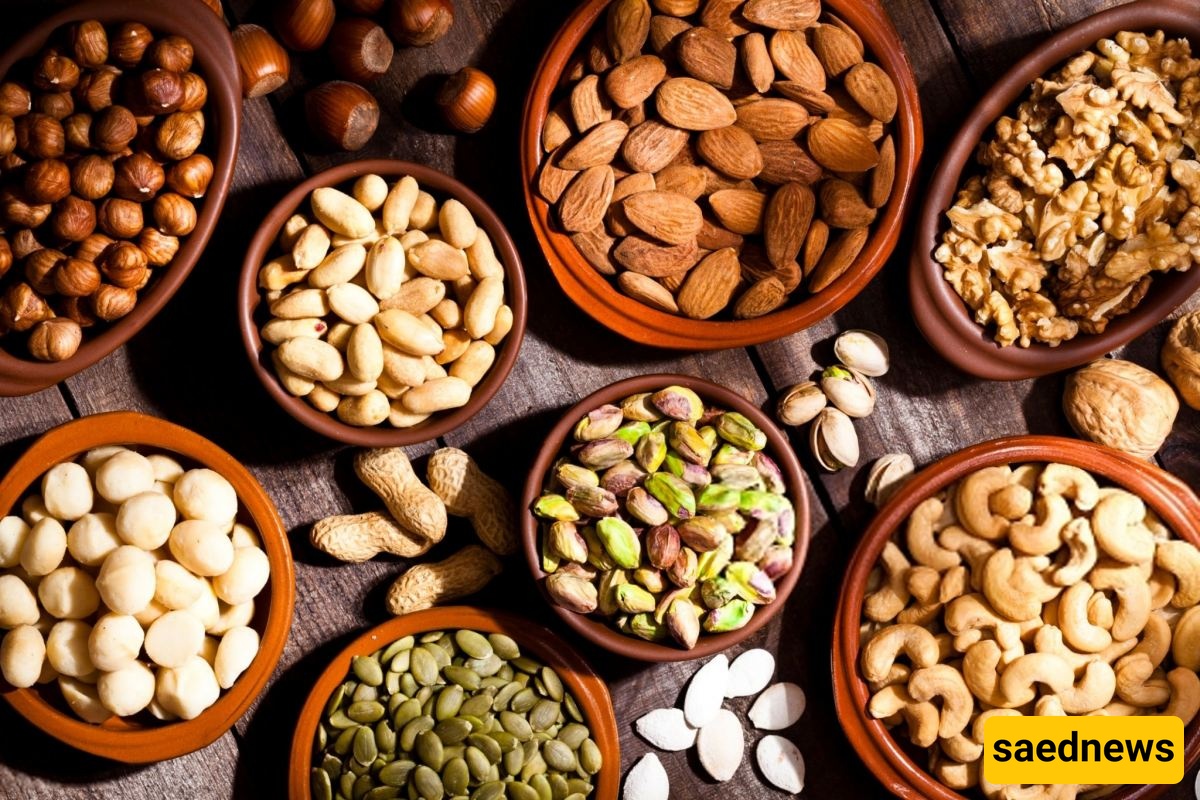
Almonds, walnuts, chia seeds, flaxseeds, and pumpkin seeds provide a combination of fiber, unsaturated fats, plant compounds, and other nutrients that can support heart health.
Walnuts and flaxseeds are also sources of plant-based omega-3 fatty acids.
Add a small handful of unsalted nuts to oatmeal or yogurt, or sprinkle chia and ground flaxseed over your breakfast.
A portion of around 30 grams of nuts is generally enough for a serving.
Whole fruits can be an excellent addition to a cholesterol-friendly breakfast. Apples, pears, citrus fruits, and berries provide fiber and a variety of vitamins and antioxidant compounds.
Apples
Pears
Oranges
Grapefruit
Strawberries
Blueberries
Raspberries
Whenever possible, choose whole fruit instead of fruit juice because whole fruit provides more fiber and is generally more filling.

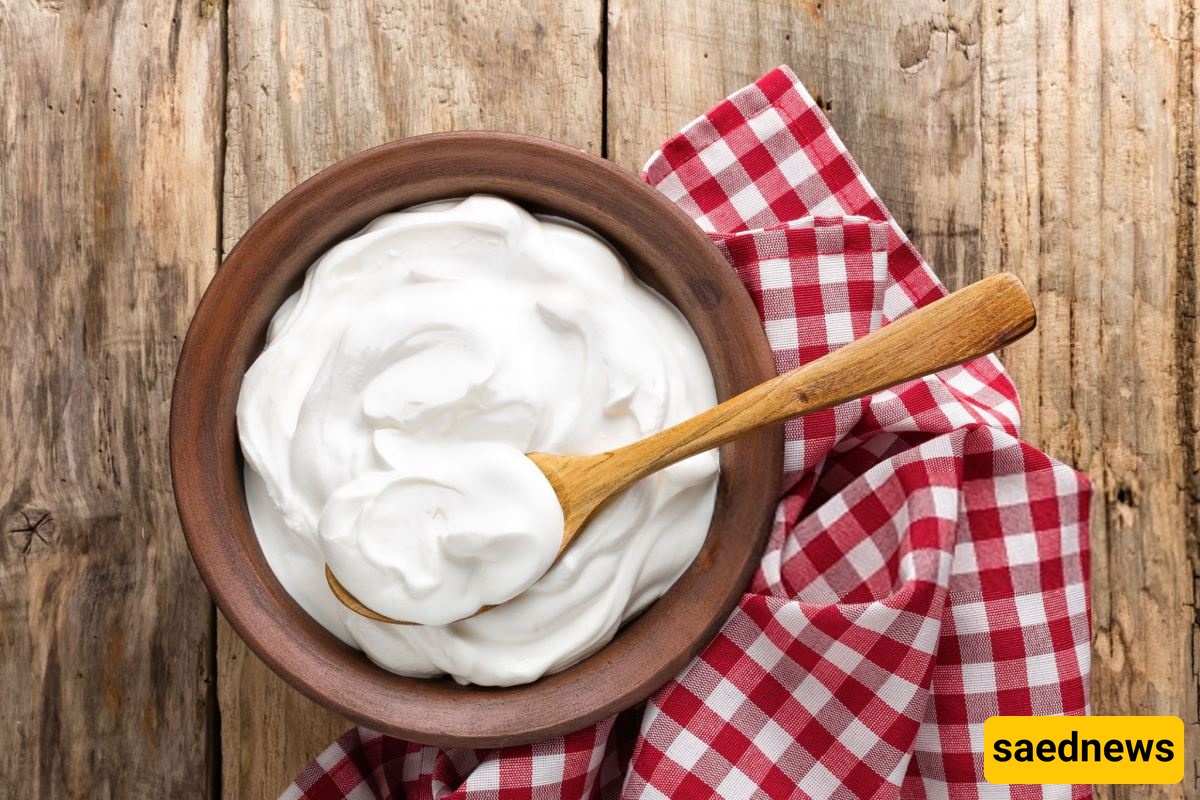
Plain low-fat or non-fat Greek yogurt can provide protein and calcium, making it a convenient breakfast option.
Choose varieties without added sugar and combine them with fresh fruit, nuts, seeds, or oats.
Try plain Greek yogurt topped with:
Berries
Chia seeds
Walnuts
Ground flaxseed
A small amount of cinnamon
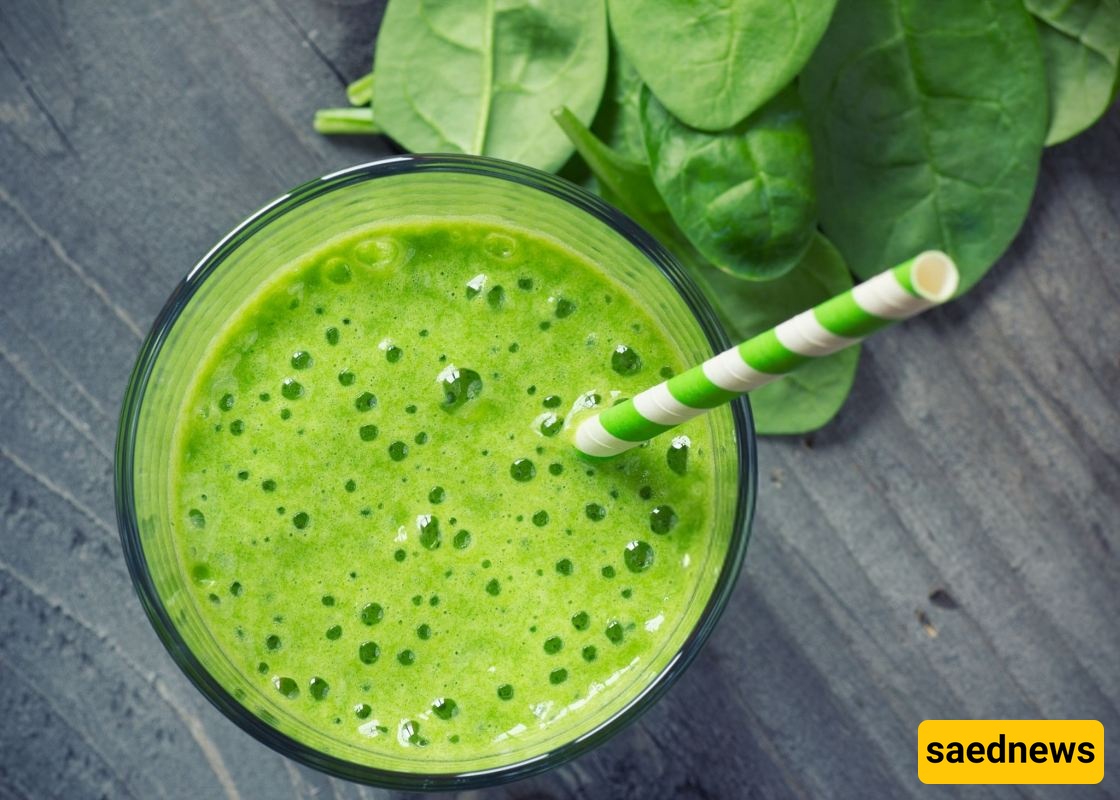
A homemade green smoothie can combine several nutritious foods in one breakfast. However, it is best to avoid turning smoothies into high-sugar drinks by adding large amounts of fruit juice or sweeteners.
Blend:
A handful of spinach or kale
Half a banana
A quarter of an avocado
One tablespoon of chia seeds
One cup of unsweetened almond milk
A little fresh lemon juice
For additional protein, you can add plain Greek yogurt or another suitable protein source.
Breakfast Foods to Limit When Managing High Cholesterol
Knowing what to limit can be just as important as knowing what to eat more often.
Many highly processed breakfast cereals contain large amounts of added sugar and refined carbohydrates. Eating them frequently may make it more difficult to maintain a heart-healthy diet.
Choose oatmeal or a whole-grain cereal with little or no added sugar instead.
White bread, croissants, donuts, and many other refined baked goods tend to be low in fiber. Some pastries also contain substantial amounts of saturated fat and added sugar.
Whole-grain bread is generally a better everyday choice.
Bacon, sausage, salami, and other processed meats can be high in saturated fat and sodium. Frequent consumption is generally not recommended as part of a heart-healthy eating pattern.
Try replacing processed meats with eggs, beans, vegetables, or other less-processed protein sources.
Butter is high in saturated fat, which can raise LDL cholesterol. Instead, consider using small amounts of olive oil, avocado, or natural nut butter.
Always check the nutrition label when choosing spreads and packaged foods.
Many commercially prepared fruit drinks contain added sugar and little or no fiber.
Whole fruit is usually a better option for breakfast than sugary fruit beverages.
A Seven-Day Breakfast Plan for High Cholesterol
Here is a simple example of how you could vary your breakfast throughout the week:
Saturday:
Cooked oatmeal with unsweetened almond milk, chia seeds, and fresh berries.
Sunday:
Boiled eggs with whole-grain toast, mashed avocado, and a serving of grapefruit.
Monday:
A green smoothie made with spinach, banana, unsweetened almond milk, ground flaxseed, and natural peanut butter.
Tuesday:
Plain low-fat Greek yogurt with walnuts, pumpkin seeds, and chopped apple.
Wednesday:
A vegetable omelet made with eggs, spinach, tomatoes, and mushrooms, served with whole-grain or oat bread.
Thursday:
Chia pudding made with chia seeds and unsweetened almond milk, topped with fresh berries and a little cinnamon.
Friday:
Whole-grain toast with natural peanut butter and sliced banana, accompanied by a glass of low-fat milk.

Include foods such as oats, beans, apples, pears, berries, chia seeds, and flaxseed. Soluble fiber can help reduce LDL cholesterol as part of an overall healthy diet.
Instead of regularly using butter or other foods high in saturated fat, choose options such as olive oil, avocado, nuts, and natural nut butters.
Protein can help you feel satisfied after breakfast. Eggs, Greek yogurt, low-fat dairy products, nuts, seeds, and other minimally processed protein sources can all contribute to a balanced meal.
Choose plain yogurt, unsweetened plant-based milk, and whole-grain foods without added sugar whenever possible. Fresh fruit can provide natural sweetness.
Water is a simple way to stay hydrated throughout the day. Starting the morning with water can be part of a healthy daily routine.
Lifestyle Habits Matter Too
Breakfast is only one part of cholesterol management. Dietary choices work best when combined with other healthy lifestyle habits.
Regular physical activity can support cardiovascular health and may help improve cholesterol levels. Activities such as brisk walking, cycling, and swimming are practical options for many people.
Chronic stress can negatively affect overall health and may contribute to unhealthy eating and lifestyle habits. Relaxation techniques such as deep breathing, meditation, or yoga may be useful.
Consistently getting adequate, good-quality sleep is an important part of overall cardiovascular health. Aim for a regular sleep schedule and enough sleep to feel rested.
Smoking can lower HDL cholesterol and damage blood vessels. Quitting smoking is one of the most important steps a person can take to protect cardiovascular health.
The Bottom Line
Managing high cholesterol is not about finding one “miracle” food. Long-term results come from consistent dietary and lifestyle choices.
A breakfast built around oatmeal, whole grains, fruits, vegetables, avocado, nuts, seeds, and unsweetened Greek yogurt can provide fiber, healthy fats, and other nutrients that support a heart-healthy eating pattern.
At the same time, it is wise to limit foods that are high in saturated fat, added sugar, and highly refined carbohydrates, particularly when they are eaten frequently.
If you have high cholesterol, diabetes, cardiovascular disease, or take cholesterol-lowering medication, talk with your doctor or a registered dietitian before making major changes to your diet. Your ideal eating pattern can depend on your individual health needs and treatment plan.
A healthier breakfast can be a simple first step toward a healthier heart.