SAEDNEWS: Jantar Mantar, near Delhi’s famous Connaught Place, is one of five astronomical observatories built by Maharaja Jai Singh I in 1725. Its most famous feature is the giant sundial, celebrated for its impressive design and scientific importance.
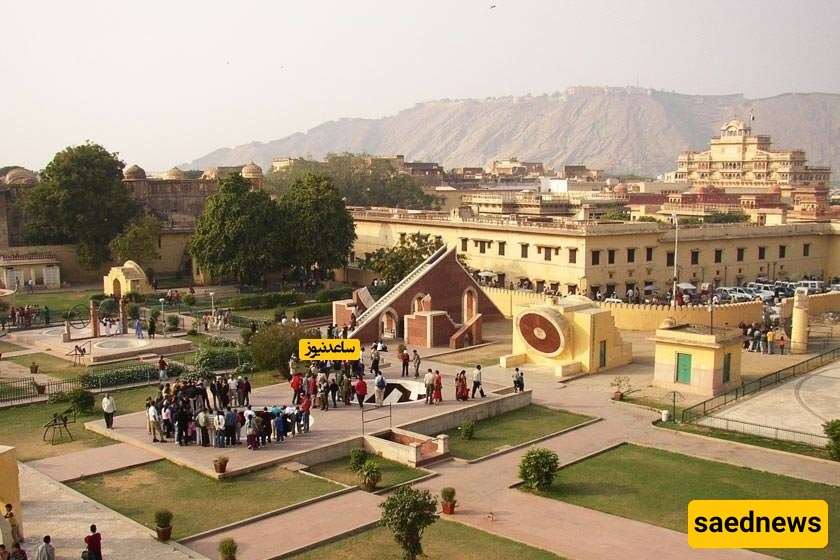
According to SaedNews Tourism Service, Jantar Mantar Observatory, also known as Jantar Mantar Jaipur, is a historic astronomical complex located in Jaipur, India. It houses a collection of nineteen architectural astronomical instruments. The observatory was built in 1743 by Maharaja Sawai Jai Singh II. In 2010, Jantar Mantar was added to the UNESCO World Heritage List as an important site representing astronomical skills and cosmological concepts developed after the Mughal period. It also contains the world’s largest stone sundial.
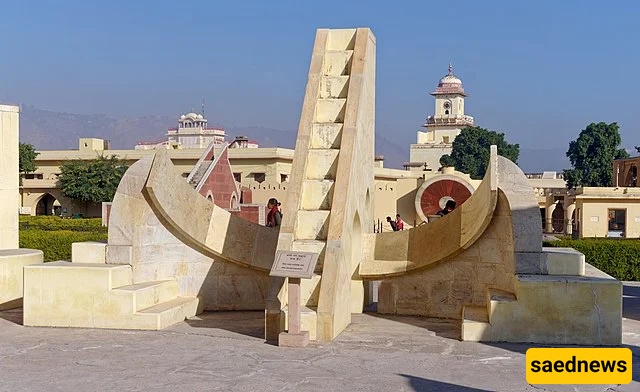
The vast Jantar Mantar complex consists of several structures related to astronomy that together form this remarkable observatory. Its name reflects its purpose: in Sanskrit, “Jantar” means instrument, while “Mantar” means calculation. Each structure within the observatory was built using durable materials such as stone and marble and was used for observing celestial bodies and performing astronomical calculations.
The Indian Maharaja designed and built similar observatories in several cities, including Delhi and Jaipur, creating a total of five such complexes. However, the Jaipur observatory is the largest and most impressive among them. Today, the site functions as a historical museum where visitors can explore its scientific instruments.
The fascinating structures of Jantar Mantar were used for observing solar and lunar eclipses, measuring time, studying stars, and conducting various astronomical calculations. Some of these instruments appear unusual at first glance, but they once served highly specialized purposes in the field of astronomy.
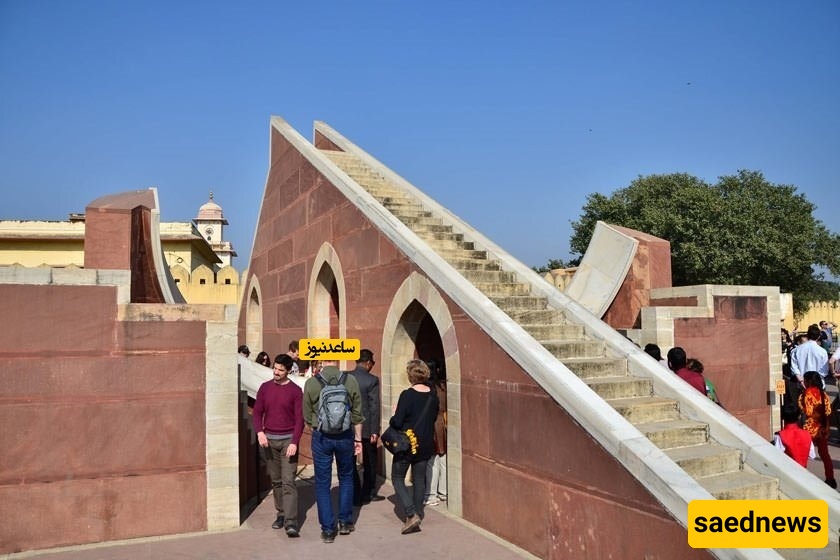
Jantar Mantar Jaipur was designed and constructed between 1726 and 1734 under the direction of Maharaja Sawai Jai Singh II, who had a deep interest in astronomy. The name of the complex clearly describes its function: “Jantar” means instrument and “Mantar” means calculation in Sanskrit. The structures, made from stone and marble, were created for astronomical observations and scientific measurements.
The observatory is a collection of large-scale instruments arranged together to create a unique astronomical center. These instruments were designed to work with three classical systems of celestial measurement: the horizontal-zenith system (known in Eastern astronomy as “Sarsu”), the equatorial system, and the system used for calculating solar and lunar eclipses.
The central instrument, known as Kapali Yantra Prakara, functions across two systems and allows the direct conversion of geographical positions from one system to another. During the 19th century, the monument suffered significant damage. The initial restoration work was carried out under the supervision of Arthur Garrett, an enthusiastic amateur astronomer who served as an assistant engineer in the Jaipur region.
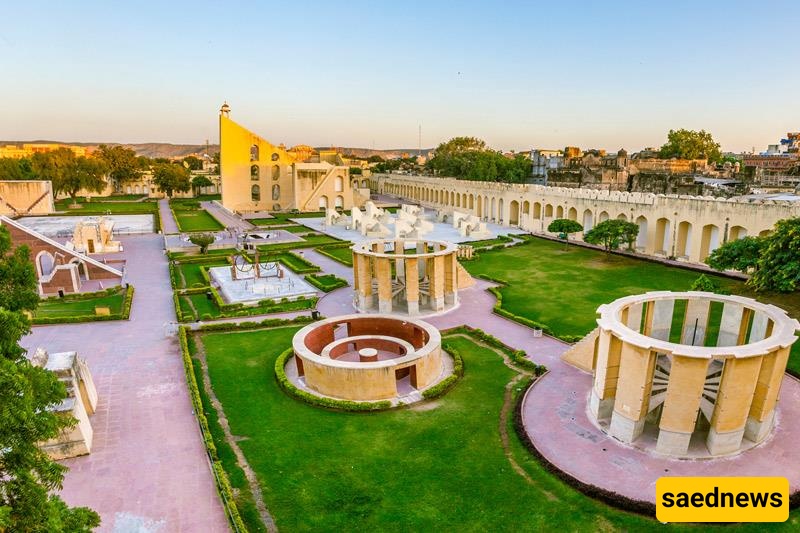
Maharaja Jai Singh II established five astronomical centers in different cities to achieve more accurate astronomical calculations. Some of the instruments may seem strange today, but they were once advanced scientific tools used for detailed astronomical studies.
The world’s largest stone sundial is located inside Jantar Mantar Jaipur. The observatory is recognized as one of India’s UNESCO World Heritage Sites and remains one of the main attractions for visitors exploring the historic city of Jaipur.
The site was officially added to the UNESCO World Heritage List in 2010. It represents a unique combination of scientific architecture, astronomy, and traditional beliefs. Similar architectural features can also be seen in other contemporary structures, such as Hawa Mahal. Local stone and marble were used in the construction of these monuments.
The observatory was built according to principles based on Ptolemaic astronomy, making it an exceptional example of its kind. The structure suffered considerable damage during the 19th century, but restoration efforts led by Arthur Garrett helped preserve the monument in its present form.
Visitors generally need around two hours to explore the observatory and understand the purpose of each instrument. Jantar Mantar Jaipur is open to the public every day from 9:00 AM to 5:00 PM.
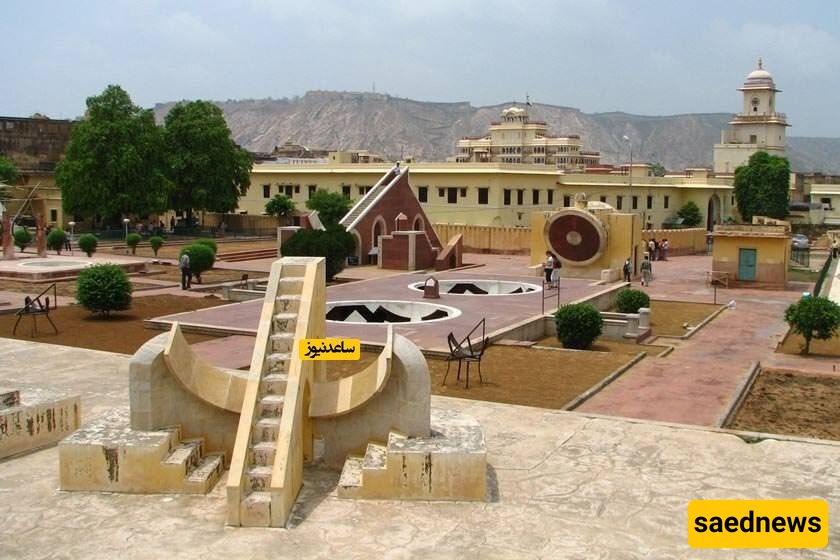
Jantar Mantar Jaipur is one of the most remarkable historical attractions of the city. Listed as a UNESCO World Heritage Site, it was built in the 18th century under the orders of Maharaja Sawai Jai Singh II, who had a strong passion for astronomy. The observatory features a unique collection of astronomical instruments made from stone and designed according to traditional Indian astronomical knowledge combined with scientific principles.
It remains an inspiring destination for astronomy enthusiasts, history lovers, and visitors interested in exploring the connection between science, architecture, and culture.