SAEDNEWS: Best Methods for Fixing Overly Salty Food
According to Saednews, Salty food is one of the most common cooking problems that can happen to anyone, even experienced cooks. Sometimes adding slightly more salt than needed, using naturally salty ingredients, or losing water during cooking can disturb the balance of flavors.
Many people believe that once food becomes too salty, nothing can be done. However, this is not true. With the right techniques, it is possible to reduce the intensity of saltiness and restore a more balanced taste.
The best way to fix salty food depends on the type of dish. A method that works well for a watery stew may not be effective for rice or dry dishes.
This guide explains the most effective ways to reduce saltiness in different foods, the techniques that work best for each dish, and the common methods that should be avoided.
If you are wondering, “What should I do if my food is too salty?” the most useful solutions are:
Add more unsalted ingredients to dilute the salt concentration.
Add unsalted water to soups, stews, and other liquid-based dishes.
Use acidic ingredients such as lemon juice or vinegar to balance the flavor.
Increase the overall volume of the dish with similar unsalted ingredients.
It is important to understand that no ingredient can completely remove salt from food. Instead, these methods reduce the salt concentration or make the salty taste less noticeable.
Food can become salty for several reasons, not only because too much salt was added.
The most common reason for salty food is adding more salt than necessary. During long cooking processes, a dish may seem properly seasoned at first, but as water evaporates, the salt becomes more concentrated and the food tastes saltier.
Some foods naturally contain large amounts of sodium or are processed with added salt, including:
Salty cheese
Olives
Pickled vegetables
Sausages and processed meats
Soy sauce
Ready-made seasoning powders
Some canned foods
When these ingredients are used, additional salt should be reduced.
In dishes such as stews, soups, and traditional cooked meals, part of the water evaporates during cooking. If too much salt was added before this happens, the remaining food may taste much saltier because the salt becomes concentrated.
One of the safest and most reliable ways to reduce saltiness is adding more unsalted ingredients.
Examples:
Add more cooked unsalted split peas and meat to a salty stew.
Add extra vegetables, noodles, or beans to soup.
Increase the amount of main ingredients in meat dishes.
This method spreads the salt throughout a larger quantity of food and creates a more balanced flavor.
For dishes such as:
Stews
Soups
Broths
Traditional watery dishes
adding unsalted water can reduce saltiness.
After adding water, allow the food to simmer gently so the flavors combine again.
A better approach is to remove part of the salty liquid first and then add fresh water if the dish has too much salty broth.
Acidic ingredients do not remove salt, but they can reduce the perception of saltiness by balancing flavors.
Useful options include:
Fresh lemon juice
Sour orange juice
Vinegar
Tomatoes
Tomato paste
For example, adding a small amount of lemon juice or dried lime to certain stews can make excessive saltiness less noticeable.
However, use these ingredients carefully because too much acidity can change the original flavor of the dish.
In some dishes, a very small amount of:
Sugar
Honey
can help create a better flavor balance.
This technique works best for foods that naturally combine sweet and salty flavors, such as certain sauces, Asian-style dishes, and some cooked meals.
Keep in mind that sugar does not remove salt. Adding too much sugar will only create an unwanted sweet taste.
Using potatoes is one of the oldest home methods for reducing saltiness.
The traditional method is:
Peel one potato.
Cut it into several pieces.
Place it inside the cooking dish.
Remove it after some time.
However, potatoes do not work like a salt filter. They mainly absorb some of the liquid from the dish and may slightly reduce the intensity of saltiness in certain foods.
If the food is extremely salty, it is better to combine methods such as increasing the food volume or adding unsalted ingredients instead of relying only on potatoes.
Not every dish can be corrected using the same method. The amount of liquid, ingredients, and cooking style determine which solution works best.
Stews such as meat stews, herb stews, walnut-based stews, and eggplant stews are often affected by excess salt because they cook for a long time and lose water.
Useful solutions include:
Add a small amount of hot water and allow the stew to cook gently again.
Using cold water may interrupt the cooking process and affect the final quality.
If possible, prepare additional ingredients without salt and add them to the stew.
Examples:
Add unsalted cooked legumes to a bean-based stew.
Add extra unsalted herbs to herb stews.
Add more unsalted ground nuts to walnut-based dishes.
A little lemon juice, sour grape juice, or dried lime can help balance the salty taste.
Soup is usually easier to correct because it contains a lot of liquid.
To reduce saltiness:
Add some unsalted water.
Add more vegetables, grains, noodles, or beans.
Add a small amount of milk or cream to creamy soups.
If chicken soup is too salty, adding extra vegetables or unsalted noodles can help improve the flavor.
Traditional dishes containing beans, noodles, dairy products, or salty toppings can become salty quickly.
Helpful methods:
Increase the amount of cooked beans, vegetables, or noodles.
Add some water and allow the dish to cook again.
Ingredients such as salty dairy products or prepared toppings may already contain high amounts of sodium, so always taste before adding extra salt.
Salty rice is a common cooking mistake but can usually be corrected.
If the rice is still cooking:
Drain the salty water quickly.
Add fresh water.
Continue cooking until the rice is ready.
If the rice is already cooked:
The best solution is mixing it with plain unsalted rice.
You can prepare extra white rice separately and combine it with the salty rice to balance the flavor.
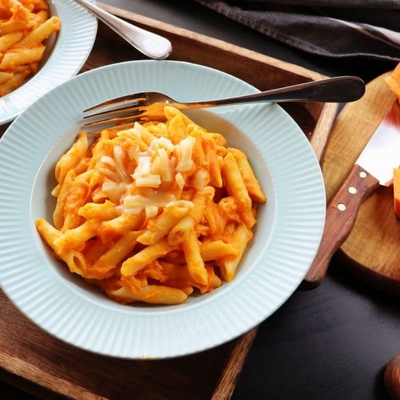
For salty pasta:
Prepare additional unsalted pasta and mix it with the salty portion.
Make more unsalted sauce and combine it with the dish.
If the sauce is the problem, add more unsalted tomatoes or tomato paste.
To prevent salty pasta, use less salt when boiling pasta water because sauces and other ingredients may already contain sodium.
Foods such as:
Meat dishes
Chicken meals
Pan kebabs
Various cooked dishes
can often be corrected by increasing the quantity.
Solutions:
Add unsalted vegetables such as carrots, potatoes, or mushrooms.
Serve with plain unsalted rice or other neutral foods.
Use balanced sauces or seasonings.
Many traditional tips exist for reducing saltiness, but not all are scientifically effective.
No. Sugar cannot absorb salt.
It may slightly change the perception of flavor, but the salt remains in the food.
Placing a sponge in food is not recommended.
Kitchen sponges can contain bacteria and are not suitable for contact with cooked food.
No. The material of the spoon has no effect on the amount of salt in food.
The best solution is prevention.
Avoid adding all the salt at the beginning of cooking. Taste the food during different stages and adjust seasoning slowly.
Before using ingredients such as:
Cheese
Pickled foods
Olives
Canned products
Ready-made sauces
check their salt content.
Food can become saltier at the end of cooking because water evaporates. Always taste before serving.
Salt contains sodium, which the body needs for normal nerve function, muscle activity, and fluid balance.
However, consuming too much sodium may increase the risk of:
High blood pressure
Heart disease
Stroke
Kidney problems
Health organizations generally recommend limiting daily salt intake to around 5 grams for adults.
No. Home methods cannot completely remove salt, but they can reduce saltiness and improve flavor balance.
Adding unsalted ingredients or a small amount of unsalted water usually provides the best results.
Potatoes may absorb some salty liquid, but they do not completely remove salt.
It depends on the dish. Acidic ingredients such as lemon juice and vinegar are usually more suitable for balancing flavors.
No. Sugar only changes the balance of taste and does not reduce the actual salt content.
Salty food does not mean the dish is ruined. In most cases, it can be improved with the right approach.
The best solutions depend on the type of food, but increasing the amount of ingredients, adding unsalted components, using fresh water in liquid dishes, and balancing flavors with ingredients like lemon juice or vinegar are usually the most effective methods.
Avoid relying on myths such as using sugar cubes, sponges, or silver spoons. Instead, use practical cooking techniques and add salt gradually while tasting food throughout the cooking process.
With careful seasoning and simple adjustments, you can prevent overly salty dishes and enjoy food with a better, more balanced flavor.