SAEDNEWS: The Bird of Paradise, or Strelitzia, is a popular houseplant with flowers resembling a flying bird. Learn about its care requirements and propagation methods.
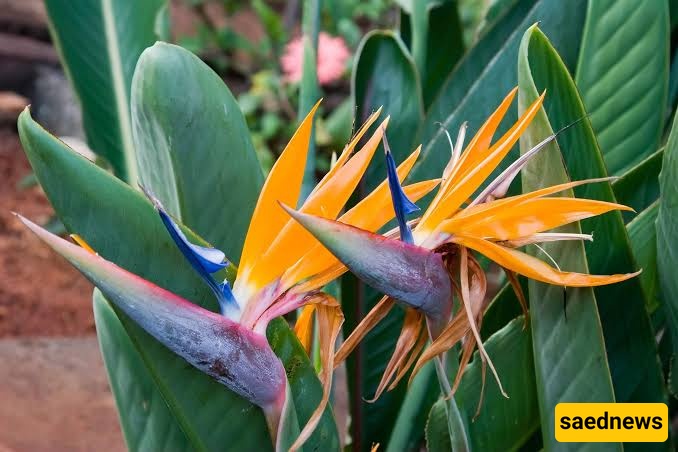
According to Saednews, Strelitzia, commonly known as the Bird of Paradise plant, is one of the most popular indoor plants because of its stunning and unique flowers. Native to South Africa, this plant earned its name due to the shape of its flowers, which resemble a colorful bird in flight. If you love this beautiful plant and want to learn how to properly care for and propagate Strelitzia, this complete guide will provide all the essential information.
Strelitzia prefers bright light, but it should receive indirect sunlight. A location with plenty of natural light helps the plant grow healthier and encourages flowering.
The best temperature range for Strelitzia growth is between 18°C and 27°C (64°F–81°F). Protect the plant from cold temperatures and sudden temperature changes.
During the growing season, Strelitzia requires regular and sufficient watering. The plant is sensitive to drought, so avoid allowing the soil to become completely dry. However, excessive watering should also be avoided because it can lead to root problems.
A well-draining soil mixture is essential. A recommended combination includes:
Leaf compost or organic soil
Coco peat
Perlite
Good drainage is necessary to prevent water accumulation around the roots.
Apply fertilizer during the spring and summer growing seasons to support healthy growth and stronger foliage.
Methods of Propagating Strelitzia (Bird of Paradise)
There are generally three main methods for propagating this plant:
Strelitzia can be grown from seeds by collecting mature seeds and planting them in light, well-draining soil during spring. However, germination is a slow process and may take 3 to 5 months.
Before planting, remove the small hairs or fibers attached to the seeds by gently rubbing them with sandpaper. These fibers mainly serve as protection in nature but can slow down water absorption and root development.
Seed propagation is not the most recommended method because young plants grown from seeds are usually weak during their first year and require careful attention until they become well established.
Dividing mature plants is one of the most common and effective propagation methods. When the plant becomes large, separate the new shoots or sections from the mother plant and place them into individual pots with suitable soil.
For successful division, choose a growing medium with:
Medium soil texture
Excellent drainage
No contamination or harmful organisms
Under ideal conditions, new roots usually develop within about three months, after which the plant begins growing more actively.
Removing the terminal bud can increase the speed of propagation and is often used as a complementary technique alongside plant division.
After dividing the plant, remove the terminal growth point by making a careful triangular cut near the end of the plant. Within 2 to 6 months, new side shoots may appear, resulting in a fuller and bushier Strelitzia plant.
Pruning Strelitzia Plant
If you grow Strelitzia in an outdoor area such as a rooftop garden or an open space, pruning should be done after the cold season ends.
To maintain a healthy appearance:
Remove dry and yellow leaves.
After flowering, cut the flower stalk close to the soil surface.
Remove damaged parts to encourage fresh growth.
Final Tips for Growing a Healthy Bird of Paradise Plant
Strelitzia is a tropical plant that can become a spectacular indoor or outdoor feature when given the right conditions. Providing enough light, proper watering, nutrient-rich soil, and occasional pruning will help your Bird of Paradise grow strong and produce its distinctive, exotic flowers. With patience and proper care, this beautiful plant can remain a long-lasting addition to your home or garden.