SAEDNEWS: Discover the complete health benefits of okra, including its nutritional value, role in a balanced diet, the best ways to consume it, and important information about its potential side effects to help you make healthier dietary choices.
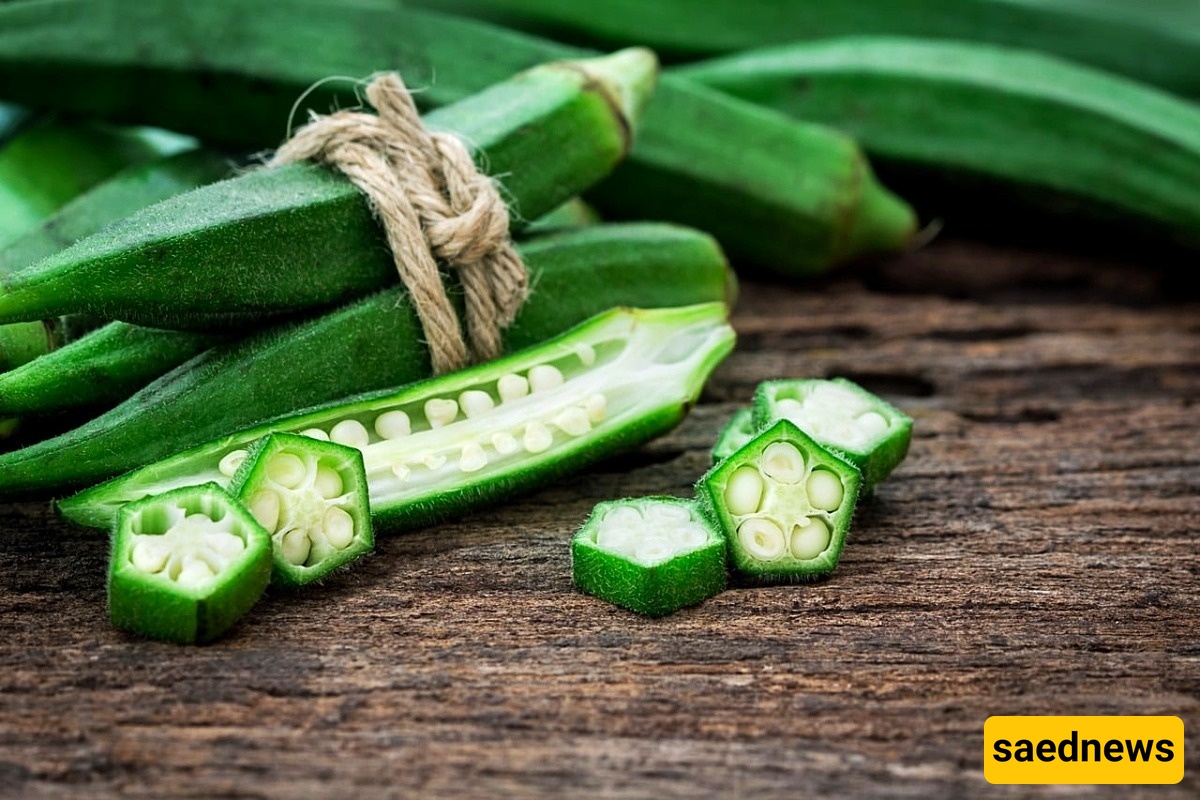
Okra is a highly nutritious, low-calorie vegetable that has been valued in healthy diets for generations. Rich in fiber, vitamins, minerals, and antioxidants, it offers a wide range of health benefits that go beyond its impressive nutritional profile.
From supporting digestion and heart health to helping manage blood sugar levels, okra is a versatile vegetable that can be included in many healthy eating plans. Below, you'll discover its nutritional value, potential health benefits, possible side effects, and the best ways to prepare and enjoy it.
Okra (Abelmoschus esculentus), also known as lady's finger, is a flowering plant cultivated for its edible green seed pods. It is widely consumed across Asia, Africa, the Middle East, and the Americas due to its mild flavor and impressive nutrient content.
Okra is commonly used in stews, soups, curries, stir-fries, and grilled dishes. It can also be steamed, roasted, or added to salads. In some cuisines, even the young leaves are eaten in salads and cooked dishes.
One of okra's unique characteristics is its natural mucilage—a gel-like substance that thickens soups and sauces while also providing digestive benefits.
Despite being low in calories, okra is packed with essential nutrients.
Per 100 grams of raw okra:
Calories: 33
Protein: 1.9 g
Carbohydrates: 7.5 g
Dietary Fiber: 3.2 g
Fat: 0.2 g
Vitamin C: 23 mg
Folate: 60 mcg
Magnesium: 57 mg
These nutrients make okra an excellent addition to a balanced diet.

Eating raw okra preserves many of its heat-sensitive nutrients and antioxidants.
Raw okra may help:
Improve digestive function
Support healthy blood sugar levels
Increase fullness and reduce appetite
Provide more vitamin C and other delicate nutrients
Okra is an ideal food for weight management because it is naturally low in calories and high in fiber.
Its fiber helps:
Promote long-lasting fullness
Reduce overeating
Support healthy digestion
Assist with blood sugar regulation
When combined with regular exercise and a balanced diet, okra can contribute to healthy weight loss.

Okra contains antioxidants such as flavonoids and phenolic compounds that may help reduce inflammation and oxidative stress.
Although it is not a treatment for joint pain, including knee discomfort, regular consumption may support joint health by protecting tissues from inflammatory damage.
The vitamins, minerals, and antioxidants in okra may help nourish hair follicles and maintain a healthy scalp.
Potential benefits include:
Supporting stronger hair roots
Reducing scalp dryness
Improving hair softness
Helping reduce frizz
Some people also use homemade okra gel as a natural hair mask for smoother, shinier hair.
Okra has a low glycemic index and is rich in dietary fiber, making it beneficial for people managing diabetes.
It may help:
Slow sugar absorption
Improve blood sugar control
Support healthy cholesterol levels
Light steaming or gentle cooking helps preserve many of its beneficial nutrients.

Okra provides nutrients that support men's overall health.
Possible benefits include:
Supporting energy production
Promoting reproductive health
Helping maintain sperm quality through antioxidant protection
Supporting cardiovascular health
Assisting healthy blood sugar regulation
Okra supplies valuable nutrients that support women's health throughout different stages of life.
Its folate content supports healthy fetal development and helps reduce the risk of neural tube defects when consumed as part of a healthy pregnancy diet.
The iron and minerals in okra may help replenish nutrients lost during menstruation and support energy levels.
Its minerals, including calcium and magnesium, contribute to maintaining bone health during menopause.
Okra's antioxidants may help protect kidney cells from oxidative stress.
Combined with adequate hydration and a healthy lifestyle, it may support normal kidney function. However, it should not be considered a treatment for kidney stones.

Okra's fiber and natural gel-like compounds help soften stools and improve bowel movement regularity.
Regular consumption may:
Promote healthy digestion
Improve intestinal movement
Reduce constipation naturally
Okra contributes to cardiovascular wellness through several mechanisms.
Its fiber helps lower LDL ("bad") cholesterol, while potassium, folate, and antioxidants support:
Healthy blood pressure
Improved circulation
Protection of blood vessels
Reduced risk of heart disease
Okra contains iron and folate, both of which play important roles in red blood cell production.
Although it cannot treat anemia on its own, it can contribute to a nutrient-rich diet that supports healthy blood formation.
Okra is especially beneficial for the digestive system.
Its fiber promotes healthy digestion, while its mucilage helps soothe the digestive tract.
Regular consumption may help:
Improve digestion
Reduce digestive irritation
Support gut health
Ease occasional bloating

Vitamin C and antioxidants found in okra help strengthen the body's natural immune defenses.
Regular intake may:
Protect cells from oxidative damage
Support immune function
Help reduce inflammation
The antioxidants and vitamin C in okra help protect skin cells from free radical damage.
Potential skin benefits include:
Supporting collagen production
Improving skin appearance
Reducing inflammation
Promoting healthier-looking skin
Okra contains antioxidants that help protect eye tissues from oxidative stress.
These nutrients may contribute to maintaining healthy vision and reducing age-related eye damage when included in a balanced diet.
Okra provides calcium, magnesium, and vitamin K, all essential for maintaining strong bones.
Regular consumption may help:
Support bone density
Maintain bone strength
Reduce the risk of osteoporosis as part of a healthy diet
Because of its fiber and antioxidant content, okra may support normal liver function.
It may help:
Reduce oxidative stress
Support the body's natural detoxification processes
Promote overall liver health
However, it should not replace medical treatment for liver disease.

Okra contains antioxidant compounds such as polyphenols and vitamin C that help combat oxidative stress.
While diets rich in antioxidants are associated with better overall health, there is currently no conclusive scientific evidence that okra alone prevents or treats cancer.
The seeds inside okra pods contain beneficial plant compounds and antioxidants.
These substances may:
Protect cells from free radical damage
Support overall health
Reduce oxidative stress
Although research continues, more studies are needed before making specific medical claims.
Traditional medicine has long used okra to support digestive health.
Its natural mucilage has been used to:
Soothe the digestive tract
Relieve intestinal dryness
Promote healthy bowel function
Some traditional practices also recommend okra for supporting bladder health and reducing urinary discomfort, although scientific evidence remains limited.
Okra is generally safe for most people, but moderation is advisable in certain situations.
People taking diabetes medications should monitor blood sugar carefully, as okra may contribute to lower glucose levels.
Because okra contains vitamin K, individuals taking blood-thinning medications should maintain consistent intake and consult their healthcare provider before making major dietary changes.
Overall, moderate consumption is considered safe for healthy individuals.
Okra is extremely versatile and can be added to soups, stews, curries, stir-fries, grilled dishes, or roasted vegetable recipes.
To reduce its natural slimy texture:
Sauté it briefly over high heat.
Add a small amount of lemon juice or vinegar during cooking.
Avoid overcooking.
Select pods that are:
Bright green
Small to medium in size
Firm and crisp
Free from bruises or dark spots
Avoid overly large, soft, or woody pods, which tend to be tough.
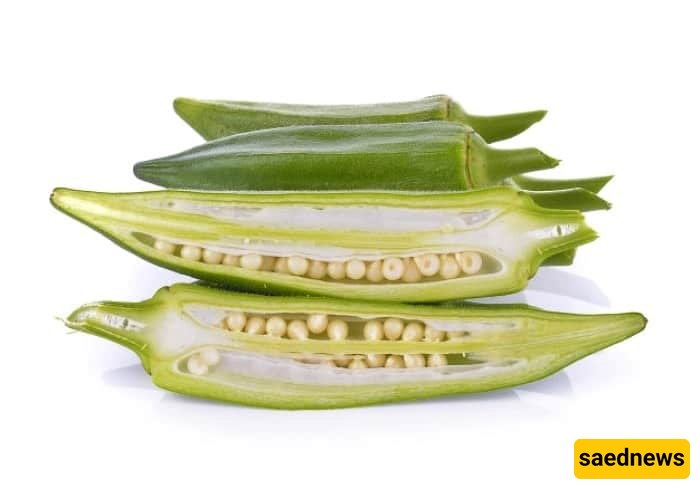
Store fresh okra in the refrigerator after drying it thoroughly.
For longer storage, blanch the pods briefly and freeze them to preserve their quality and nutritional value.
Okra is a nutrient-dense vegetable that provides fiber, vitamins, minerals, and antioxidants while remaining low in calories. It supports digestive health, heart function, blood sugar management, immunity, skin, bones, and overall wellness. Although it is not a cure for medical conditions, incorporating okra into a balanced diet can contribute to long-term health and nutrition.