SAEDNEWS: Onions are among the oldest vegetables used by humans. This vegetable has been valued not only as a flavoring ingredient in food but also as something precious; in some cultures, onions were considered as valuable as gold and were even used as a form of trade and exchange.
According to SAEDNEWS, The value that people in ancient times placed on onions was not without reason, as extensive research conducted by scientists over the past decade has revealed fascinating facts about this vegetable. If you are among those who do not enjoy eating onions, you should definitely read this article.
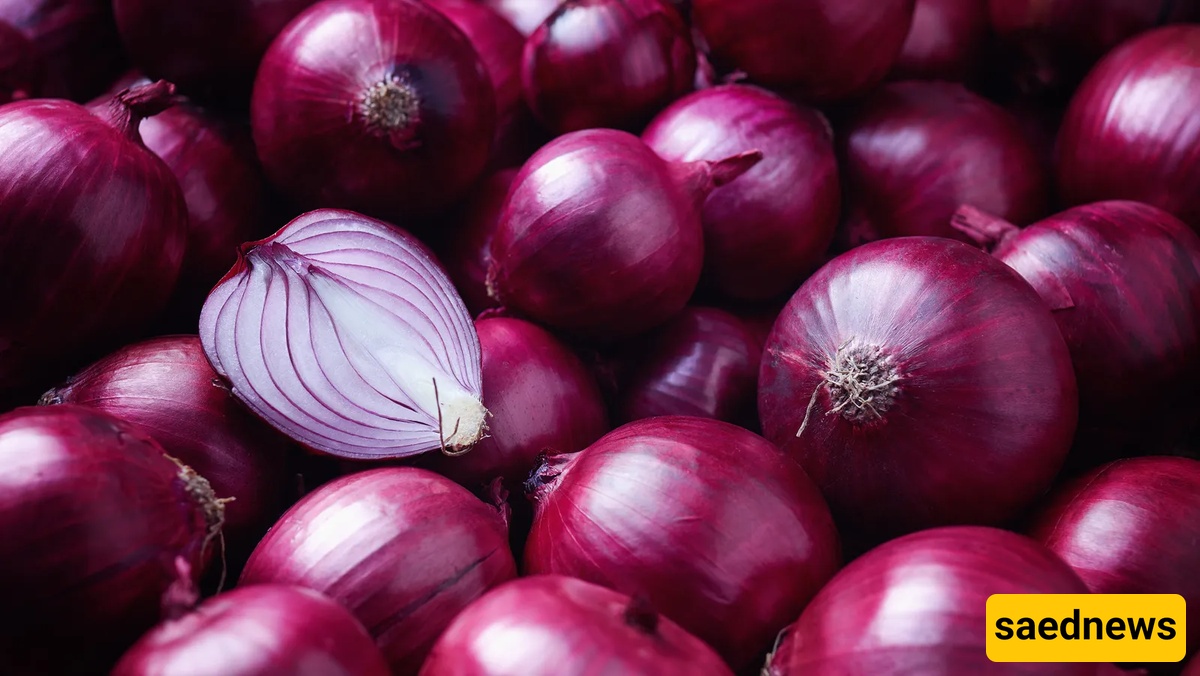
Red onions may help maintain healthy cholesterol levels and reduce the risk of cardiovascular diseases. Researchers studying animals found that consuming red onions for eight weeks could reduce levels of harmful cholesterol (LDL) by approximately 20%, while no significant changes were observed in beneficial cholesterol (HDL) levels during the same period. According to a study published in the journal Clinical Investigation in 2012, a flavonoid called rutin, which is abundant in onions and apples, helps prevent the formation of blood clots in blood vessels. In fact, the formation of fibrin in veins and platelet accumulation in arteries are major contributors to blood clot development and stroke, and this compound inhibits these processes.
After investigating the effects of onions on cell growth and free radical damage, researchers at Cornell University reported in 2004 that shallots and various onion species have significant antioxidant properties that may help slow liver cancer progression and prevent the growth of cancer cells. Other studies have shown that regularly consuming onions twice a week can significantly reduce the risk of developing colorectal cancer. Onions are rich in flavonoids, which help inhibit tumor growth and protect colon cells from damage. Cooking meat with onions may also help reduce carcinogenic compounds produced during high-temperature meat preparation.
Folic acid, also known as vitamin B9, is an essential compound required for brain function and plays an important role in maintaining mental health and emotional well-being. Approximately 125 milliliters (half a cup) of onion juice can provide 9% of the body’s daily folic acid requirement. Therefore, regularly consuming onions can help meet the body’s need for this important nutrient.
According to research conducted by scientists at the University of Southern California School of Medicine, published in 2009, bone density in women who consumed one onion daily was 5% higher than in women who ate onions only once a month. Additionally, women who regularly consumed onions had a 20% lower risk of hip fractures compared with women who did not eat onions. Therefore, women are encouraged to include onions as part of their dietary habits to help prevent osteoporosis.
According to a clinical study conducted in North Dakota in 1990, women whose diets are rich in manganese experience fewer symptoms of premenstrual syndrome, including abdominal pain and mood changes. Since onions are a good source of manganese, this mineral may contribute to pain reduction and symptom relief.
Like apples, onions are an excellent source of an antioxidant called quercetin. Research published in 2007 demonstrated that quercetin has significant effects on lowering blood pressure and preventing damage to blood vessel walls, thereby reducing the risk of cardiovascular diseases.