SAEDNEWS: The Caucasian squirrel is an endangered species that inhabits the coniferous and temperate forests of countries across the region, including Iran. This remarkable animal has distinctive physical features and unique behavioral characteristics that set it apart from other squirrel species.
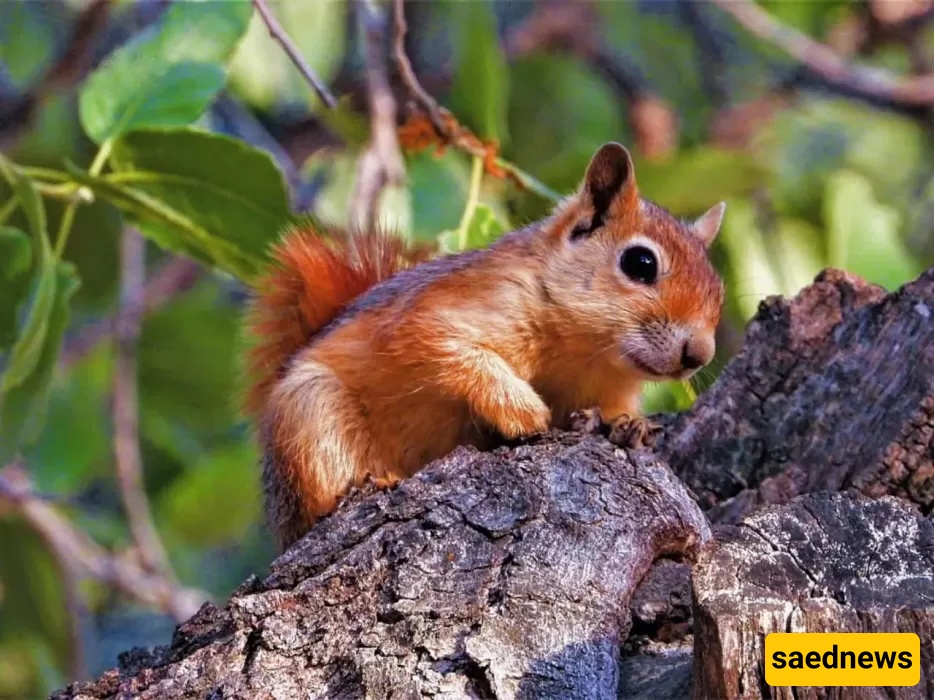
According ot Saednews, The Caucasian squirrel is native to several countries, including Greece, Turkey, Armenia, Georgia, Azerbaijan, Iran, Iraq, Palestine, Jordan, Lebanon, and Syria. The southernmost recorded area of its distribution is the forest-covered Ajloun Mountains in Jordan. Unfortunately, this species is considered endangered, and only a limited number of Caucasian squirrels are believed to remain in the wild.
Caucasian squirrels inhabit temperate and coniferous forests. Their nests are usually found inside tree cavities, and they appear to prefer pine trees, as well as oak, walnut, and willow trees, over other types of deciduous trees.
Their nests have also been observed beneath rocks, inside rocky areas, and in locations such as cemeteries and abandoned gazebos or shelters. These adaptable animals can survive in a variety of forest environments as long as suitable food sources and nesting areas are available.
The Caucasian squirrel has five toes on its feet and four fingers on its front paws. There is no noticeable difference between males and females in terms of body length or weight.
The fur on the underside of its body is usually reddish and changes color during the winter season. The dorsal fur of adult squirrels varies from grayish tones to reddish shades.
During summer, the back fur of the Caucasian squirrel changes from reddish-gray to pale gray, while in winter the belly fur may shift from yellowish-green tones to bright red. The overall underside coloration becomes orange during the summer, creating an attractive and distinctive appearance.
Some Caucasian squirrels develop furry ear tufts during winter, but these disappear during summer and autumn. These seasonal changes in fur color and appearance help the animal adapt to environmental conditions throughout the year.
Based on available observations, Caucasian squirrels are diurnal animals, meaning they are active during the daytime. They remain active throughout most of the year, except during the coldest winter periods, and their highest level of activity occurs during summer.
These squirrels are usually active from early morning until about two hours before sunset. Their behavioral patterns are generally similar to those of other tree squirrels.
They mark their territory using urine and feces, renewing these scent markings several times a day. Caucasian squirrels may live alone, as pairs are mostly observed only during the breeding season.
These squirrels communicate with one another through sounds. During communication periods, they produce specific noises, including sounds made with their teeth, to interact with other members of their species.
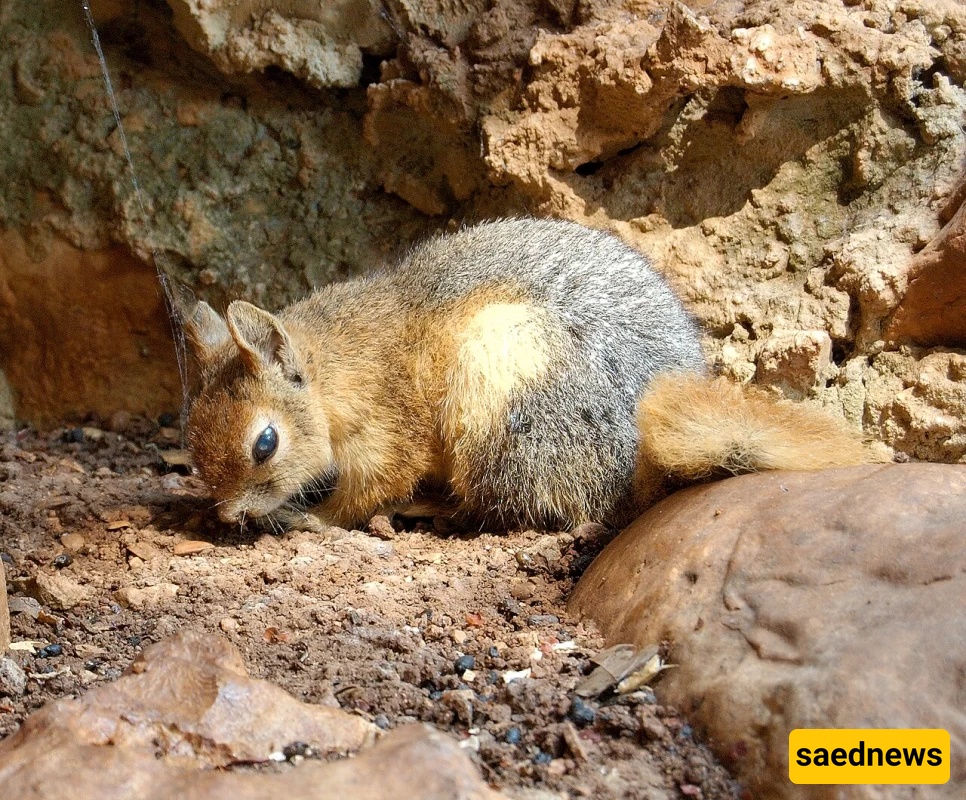
Caucasian squirrels are herbivores. Their diet mainly consists of pine seeds, acorns, other seeds, and various fruits.
Red squirrels have a similar diet but also consume berries and mushrooms. When food becomes scarce, Caucasian squirrels adjust their feeding habits and may include bird eggs, tree bark, and flowers in their diet.
The Caucasian squirrel is facing threats due to habitat loss, environmental changes, and a decline in suitable forest areas. Protecting its natural habitats and preserving forest ecosystems are essential steps for ensuring the survival of this unique species. Its limited population range makes conservation efforts particularly important for preventing further decline.