SAEDNEWS: What Is the Ruling on Marriage Contracts During the Month of Safar? Read the Answers to Misconceptions About Engagement, Marriage Contracts, and Weddings During Muharram and Safar Here
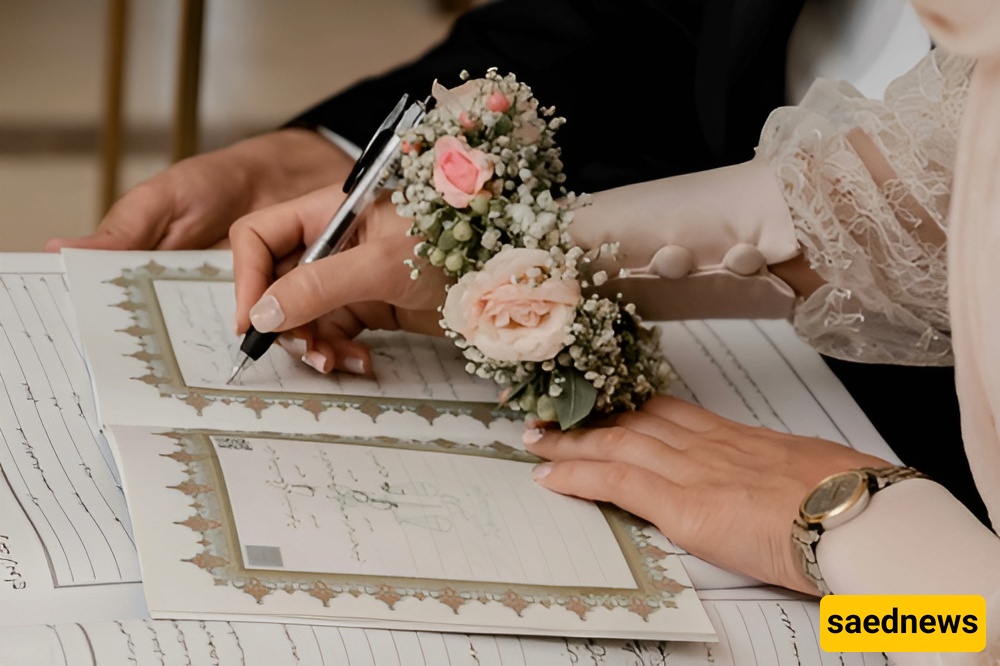
According to Saednews, The months of Muharram and Safar are considered periods of mourning and remembrance for Shiite Muslims, as they commemorate the tragedies and hardships faced by the Ahl al-Bayt (the family of Prophet Muhammad, peace be upon him). For this reason, many families avoid holding celebrations and joyful gatherings during these two months. However, a common question is whether holding marriage contracts, engagement ceremonies, or weddings during Muharram and Safar is religiously permissible.
According to many Islamic scholars, marriage, engagement, and the recitation of the marriage contract during Muharram and Safar are not inherently forbidden. There is no religious prohibition against performing a marriage contract during these months, provided that the ceremony does not involve actions considered sinful or disrespectful toward the mourning of Imam Hussein and his companions.
However, many scholars recommend choosing a time that does not coincide with major mourning occasions. If possible, celebrations may be postponed until after Muharram and Safar out of respect for these sacred days.
Imam Ja'far al-Sadiq (peace be upon him) is reported to have said:
“Our followers are a part of us. They were created from the remainder of our essence. Whatever causes us sorrow causes them sorrow, and whatever brings us happiness brings happiness to them.”
This narration is often cited to emphasize the emotional connection between the followers of the Ahl al-Bayt and their religious commemorations.
One consideration regarding postponing marriage during Muharram and Safar is that delaying marriage for too long may create difficulties for a couple, especially if they fear falling into sinful behavior or facing challenges in maintaining religious boundaries.
In such cases, some scholars recommend performing a marriage contract or temporary formalization of the relationship according to religious rules, while postponing the public celebration until after the mourning months.
Another issue is that postponing a wedding may lead to further delays due to unexpected circumstances, such as the death of relatives or other family matters. In some cases, repeated postponements could cause a wedding ceremony to be delayed for years.
For this reason, some scholars suggest that couples may complete the religious marriage contract when necessary, while holding the celebration later at an appropriate time.
If postponing an engagement or wedding would cause serious difficulty or lead young people toward wrongdoing, the ceremony may be held while avoiding any actions that violate the dignity of the mourning period.
It is generally recommended that the first ten days of Muharram (the days associated with Ashura mourning) and the period leading to Arbaeen be dedicated to remembrance and mourning rather than celebrations.
A question was asked about the ruling on holding marriage ceremonies and wedding celebrations during Muharram, Safar, and other mourning periods for the infallible Imams.
Answer:
Simply performing the marriage contract during mourning days is not prohibited in itself. However, holding festive gatherings or engaging in activities that would be considered disrespectful or a violation of the sanctity of these mourning occasions is not permissible and is regarded as forbidden.
From a religious perspective, the marriage contract itself is not considered forbidden during Muharram and Safar. The main concern is the manner in which the ceremony is conducted. While many families choose to postpone wedding celebrations as a sign of respect for the mourning of Imam Hussein and the Ahl al-Bayt, necessary marriages can still take place if they are carried out with dignity and without actions that conflict with the spirit of these sacred months.