SAEDNEWS: If you are curious about what flavors a fetus can sense inside the womb, this article provides a simple and scientific explanation of how babies experience different tastes before birth and how this process contributes to the development of their sensory abilities.

According to Saednews, Did you know that foods can communicate with us even before birth? The idea that a fetus in the womb can taste and recognize flavors may seem fascinating, but how this happens might raise questions. In this article, we explore the amazing world of fetal taste perception.
A fetus’s sense of taste begins developing during the first two months of pregnancy. By the second trimester, the baby becomes capable of experiencing different flavors from foods. Scientific studies have confirmed that a fetus can perceive tastes while inside the mother’s womb. This may explain why some children show a preference for certain foods after birth while showing little interest in others.
Interestingly, after birth, babies may find their first solid foods more enjoyable when those flavors are similar to the ones they experienced while in the womb.
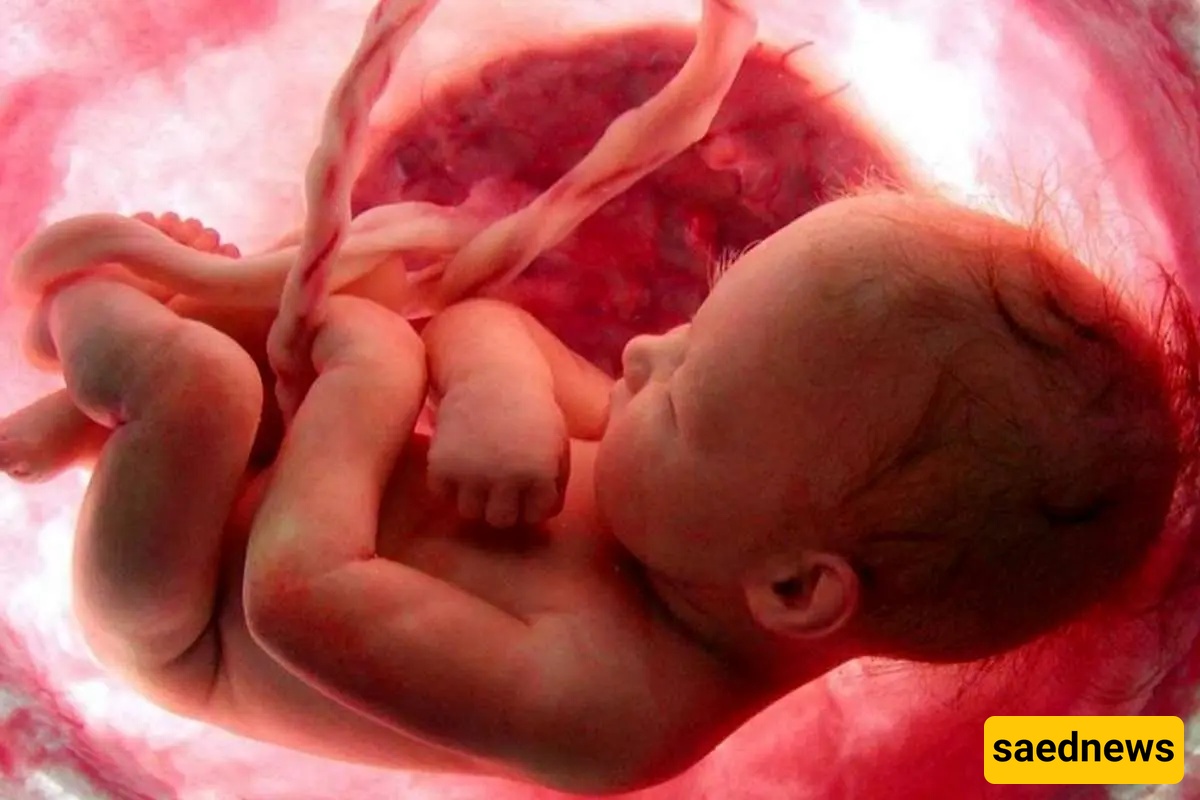
When a mother eats a particular food, its flavor can pass into the amniotic fluid surrounding the fetus. Since the baby regularly swallows this fluid, they have the opportunity to experience a variety of tastes throughout pregnancy as their taste buds continue to develop.
A fetus can detect strong flavors, such as curry spices or garlic, that the mother has consumed. These flavors can reach the amniotic fluid and provide the baby with early taste experiences.
Although a fetus can experience different flavors, the taste that its developing taste buds are most naturally prepared to recognize is sweetness. This preference is believed to have an evolutionary purpose because sweet flavors encourage newborn babies to seek breast milk after birth.
Research has shown that fetuses swallow more amniotic fluid when it contains sweet flavors compared with when it contains salty or bitter tastes. This early attraction to sweetness may help prepare newborns for feeding and survival.