SAEDNEWS: When clouds undergo changes and transformations, each type of cloud shape indicates different signs.
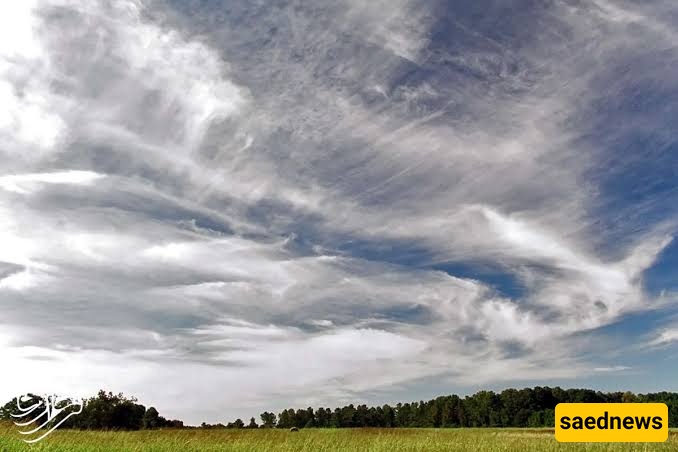
According to SAEDNEWS, In the past, due to the lack of advanced technology for weather forecasting, people used to predict weather conditions by observing and remembering the shapes of clouds. In this way, they could estimate the likelihood of rain or snow and even changes in temperature (warm or cold weather), allowing them to prepare for upcoming conditions.
Cirrus clouds are usually found at an altitude of 5 to 14 kilometers above the Earth’s surface and resemble long, feather-like shapes containing ice crystals; they do not produce rain and therefore indicate fair weather but with cold air conditions.
If cirrus clouds become thicker and move closer to the ground, they are no longer considered cirrus clouds; at that stage, they can develop into cirrocumulus clouds, which look like patches of wool or small tufts of cloud. These clouds often indicate strong heat and unstable atmospheric conditions, and they may be followed shortly by thunderstorms and rain.
When these clouds descend further, they are called cirrostratus clouds. They appear as thin, sheet-like layers spread across the sky. Cirrostratus clouds often form about 12 to 24 hours before rainfall, and therefore they are considered an indicator of approaching rain or changing weather conditions.
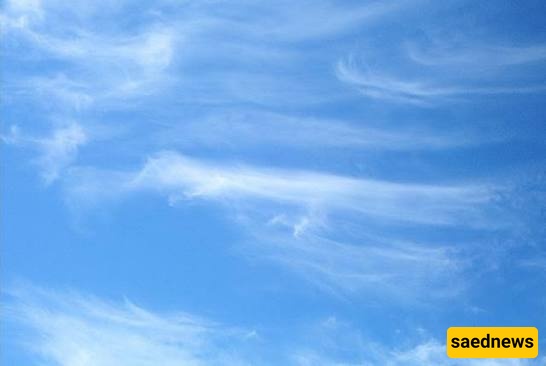
Cumulus clouds are small, separate clouds that usually indicate fair and stable weather conditions; however, seeing them does not always mean calm weather, as they can also signal potential problems, since cumulus clouds may develop into rain clouds accompanied by thunderstorms within up to about 8 hours, whereas if these clouds remain small or disappear during the night, they generally indicate clear, stable, and good weather.
You may have seen such clouds that look like small pieces of wool spread across the sky. If you observe these clouds in the image shown, they can indicate rainfall that may begin with thunderstorms.
Layered clouds
Layered clouds are often gray in color and appear as large masses in the sky. However, despite their bulky appearance, these clouds are actually thin, and rainfall is unlikely to occur from them. In fact, they usually appear before the arrival of calm and pleasant weather with suitable temperatures.
You may also think that everything is simple, such as: “When dark and black clouds appear above us, they can indicate rainfall.” However, this is not always the case, and the meaning changes depending on the color of the clouds. For example:
Black clouds:
Rainfall accompanied by strong winds.
Brown clouds:
Rainfall with very strong and intense winds.
Gray clouds:
Gray clouds indicate light rainfall over a longer period of time.