SAEDNEWS: By following this step-by-step guide, you can prepare natural and effective ostrich cream at home and benefit from its unique properties for skin and hair.
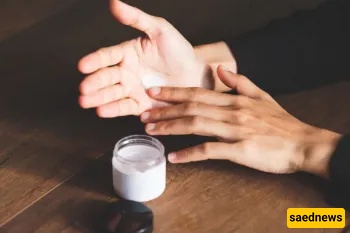
According to Saednews, Ostrich fat, known as one of the most valuable natural oils, has been used for centuries in both traditional and modern medicine to treat various skin, joint, and hair problems. This fat is rich in essential fatty acids, vitamins A, D, E, and K, as well as powerful antioxidants, making it an exceptional substance for moisturizing, repairing, and reducing inflammation. But the main question is: how can you make ostrich fat cream at home?
Before going into the preparation method, it is better to understand why this substance is so popular. Due to its unique molecular structure, ostrich fat is easily absorbed by the skin and, unlike many animal fats, does not clog pores. This makes it suitable for all skin types, including oily and acne-prone skin.
Deep moisturizing: The fatty acids in ostrich fat, such as oleic and linoleic acid, penetrate deep into the skin and help retain moisture.
Anti-inflammatory and soothing: Due to its strong anti-inflammatory properties, it is very effective in treating eczema, psoriasis, severe skin dryness, and joint inflammation.
Repairing and anti-aging: Vitamin E and antioxidants help regenerate skin cells and prevent wrinkles.
Hair loss prevention and strengthening: Massaging the scalp with ostrich fat cream can strengthen hair follicles, improve blood circulation, and reduce hair loss.
Softening and reducing skin cracks: Regular use of this cream helps reduce stretch marks caused by pregnancy or weight gain.
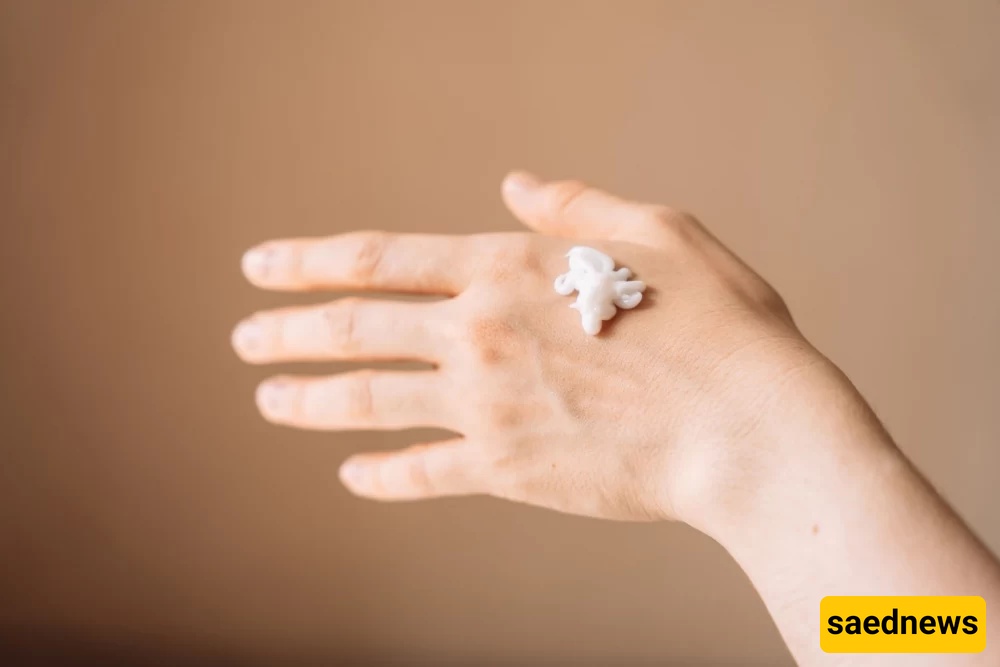
To prepare a high-quality professional cream at home, you will need the following ingredients. The quality of raw materials directly affects the final result.
Pure ostrich fat (100 g): The main ingredient of your cream. It should be purchased from reputable natural product stores or herbal shops. It should be white to creamy in color and free of any unpleasant smell.
Coconut oil (2 tablespoons): Contains lauric acid and provides antibacterial and antifungal properties while improving cream texture.
Sweet almond oil (1 tablespoon): Rich in vitamin E and highly effective for skin hydration and repair.
Beeswax (1 teaspoon): For thicker consistency, especially in warm seasons.
Natural essential oils (10–15 drops): Such as lavender, rosemary, green tea, or chamomile. They should be 100% pure and natural.
Vitamin E capsules (2): For increased antioxidant properties and longer shelf life.
Tea tree oil (5 drops): For antibacterial effects and acne treatment.
A double boiler setup (heat-safe bowl over pot of water)
A small glass or metal bowl
Hand whisk or wooden spoon
Clean sterilized glass container with lid for storage
Kitchen scale for accurate measurement
Fill a pot halfway with water and heat it gently. Place a glass or metal bowl on top so it does not touch the water.
Cut 100 grams of ostrich fat into small pieces and place it in the bowl. Let it melt slowly for about 10–15 minutes. Never place it directly on heat, as this destroys its properties.
After the fat is fully melted, add coconut oil and almond oil.
Stir gently until fully combined while maintaining low heat.
Add beeswax (if using) to increase firmness and stir until melted.
Add vitamin E from capsules for better preservation and antioxidant benefits.
Remove from heat and let the mixture cool for 10–15 minutes until it reaches about 40–45°C (warm but not burning).
Add essential oils if desired and mix gently.
Then whisk the mixture for 5–10 minutes until it becomes creamy and light in texture.
Transfer the cream into a clean sterilized glass container.
Close tightly and store in a cool, dry place (preferably the refrigerator).
The homemade cream can last 3–6 months in the refrigerator.

Always use pure ostrich fat without additives.
Avoid high heat to preserve nutrients and fatty acids.
Sterilize all tools and containers to prevent contamination.
Perform a patch test before full use.
Store in the refrigerator due to the absence of preservatives.
For facial skin: Apply a small amount nightly on clean skin to hydrate and reduce wrinkles.
For body skin: Apply after bathing to dry areas such as elbows, knees, and heels.
For hair: Apply lightly to hair strands or massage into the scalp to reduce hair loss and improve softness.
For joint pain: Massage onto painful areas to reduce inflammation and discomfort.
For infants: Can be used for dry skin or diaper irritation after consulting a doctor.
Full control over ingredients: No chemicals, preservatives, or artificial fragrances.
Lower cost: Homemade versions are generally more affordable.
Customization: Ingredients can be adjusted based on skin type.
Freshness: Always freshly prepared without long storage times.