SAEDNEWS: Beet juice, due to its strong pigments and natural sugars, is highly nutritious but quickly prone to fermentation or changes in taste. To store it properly, you can use the following methods depending on how long you plan to keep it.

According to Saednews, Beet juice is one of the most popular drinks during the cold season. Its vibrant color, sweet taste, and warming effect often remind people of winter markets. However, like many homemade beverages, if it is not stored properly, it can quickly develop an unpleasant smell, turn sour, or lose its bright color and become dull or brown. Sometimes you may even notice layers forming on the surface, which can make it completely unappealing to drink.
To keep beet juice fresh and tasty for several days, a few simple but important points must be observed. From the moment the beet is cooked until it is placed in the refrigerator or freezer, the speed of cooling, the type of container, the level of air exposure, and the cleanliness of tools all play a key role. In this article, I will explain in detail how to store beet juice so that its taste and color are preserved and you can be confident about its safety.
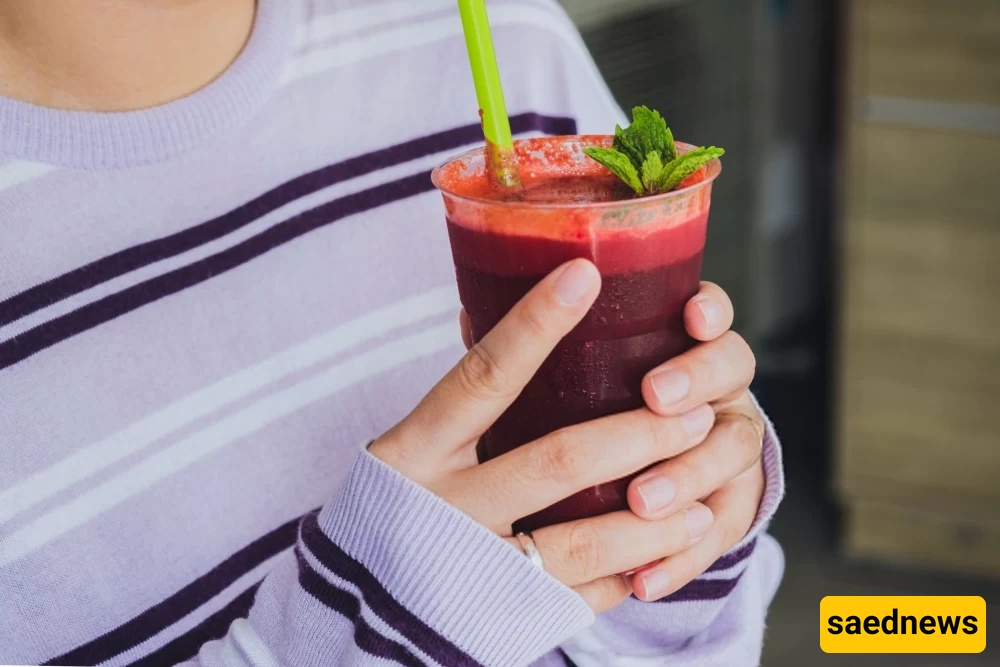
Beet juice is a mixture of water, natural sugars, pigments, and small amounts of minerals and plant compounds. The natural sugar content makes it an ideal environment for microbial growth and fermentation if left at room temperature. That is why homemade beet juice spoils and turns sour very quickly if it is not refrigerated.
In addition, the red color of beet juice depends on compounds that are sensitive to heat, light, and oxygen. If beet juice is left in an open container for too long or boiled excessively, its color becomes darker and more opaque. Therefore, proper storage is essential both to prevent microbial growth and to preserve color and flavor.
To keep beet juice in good condition, always follow a few basic principles. First, it should be cooled quickly, because remaining too long in a warm or lukewarm state increases the rate of spoilage. Second, the container should be clean and preferably glass with a tight lid to reduce air exposure and prevent odor absorption. Third, beet juice should be stored in smaller portions so that only one container is opened at a time, keeping the rest fresh.
The fourth principle is that if you want to extend storage time, you should either freeze it or use safe home methods that improve preservation conditions. Below are the methods explained in detail.
This method is suitable for a few days up to one week. Pour the beet juice into dark or clear glass bottles and seal them tightly to prevent oxidation. Immediately place them in the refrigerator. If the container does not have a proper lid, cover the surface directly with food-grade plastic wrap to reduce air contact.
It is important not to store beet juice in the refrigerator door, as the temperature there fluctuates more. The middle or lower shelves are better. Each time you use it, take out only the required amount and close it quickly again. Prolonged exposure to air and temperature changes reduces shelf life.
For best quality, package beet juice in daily portions. For example, divide 4 cups into four 250 ml glass bottles so that each time you only open one serving and keep the rest safe.
If everything is clean and the juice is cooled quickly and stored in a sealed container, it usually maintains good quality for 2 to 3 days. Some people keep it up to 4 days, but it is better to consider 3 days as the safe limit to avoid taste changes.
If you notice a sour smell, foam or bubbles, or a sour taste developing after one or two days, it is better not to consume it. A common mistake is storing beet juice in the cooking pot itself. Pots are not airtight, and their large volume slows down cooling. It is better to divide the juice into smaller containers.
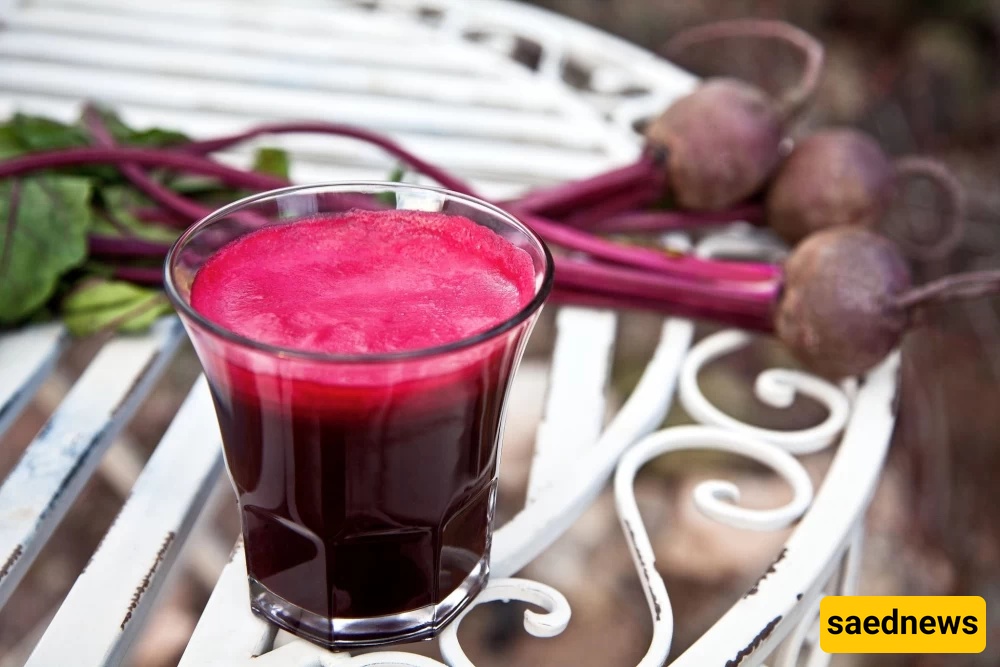
This method is ideal for storage over several months.
After preparation, allow the beet juice to cool at room temperature, then refrigerate it until fully chilled.
Ice cube trays: Pour the juice into ice cube trays and freeze. After freezing, transfer the cubes into a zip-lock freezer bag or sealed container. This is useful for small amounts, such as smoothies or soups.
Containers or freezer bags: Store in airtight containers or freezer bags, leaving 2–3 cm of empty space for expansion during freezing.
Beet juice can be stored in the freezer for 4 to 6 months. After this period, quality may decline.
For best quality, keep it frozen for about 1 to 2 months. It may remain safe longer, but its taste and color gradually deteriorate. Poor packaging or air exposure increases the risk of freezer taste and discoloration.
To prevent this, seal containers tightly and remove as much air as possible from freezer bags. Labeling the date is also recommended for easier tracking.
Proper thawing is as important as proper storage. The best method is to transfer the frozen juice from the freezer to the refrigerator and let it thaw slowly. This preserves quality and is safer hygienically.
If you are in a hurry, you may place the container in cold water to speed up thawing. However, thawing at room temperature for several hours can encourage microbial growth in partially thawed areas.
After thawing, stir the juice well, as natural sedimentation may occur. Do not refreeze thawed beet juice, as this damages quality and increases the risk of spoilage.
If you have fresh beet juice, first determine your intended use. For consumption within a few days, refrigeration for 3 to 4 days is best. Use airtight glass containers and portion it into smaller servings to maintain quality.
For long-term storage, freezing is the better option. In this case, you can store it in ice cube trays or freezer-safe containers, leaving space for expansion. Properly stored, beet juice can last 4 to 6 months in the freezer.
In conclusion, choosing the right storage method depends on whether you plan to use beet juice in the short term or long term, with refrigeration being suitable for immediate use and freezing ideal for extended preservation.