SAEDNEWS: Reports about a recent Iran–U.S. understanding have drawn strong criticism in Iran’s parliament. MP Qasem Ravanbakhsh warned the negotiating team not to credit diplomacy for strategic and military gains, saying that instead of expecting diplomatic success, they should avoid turning field achievements into failure.
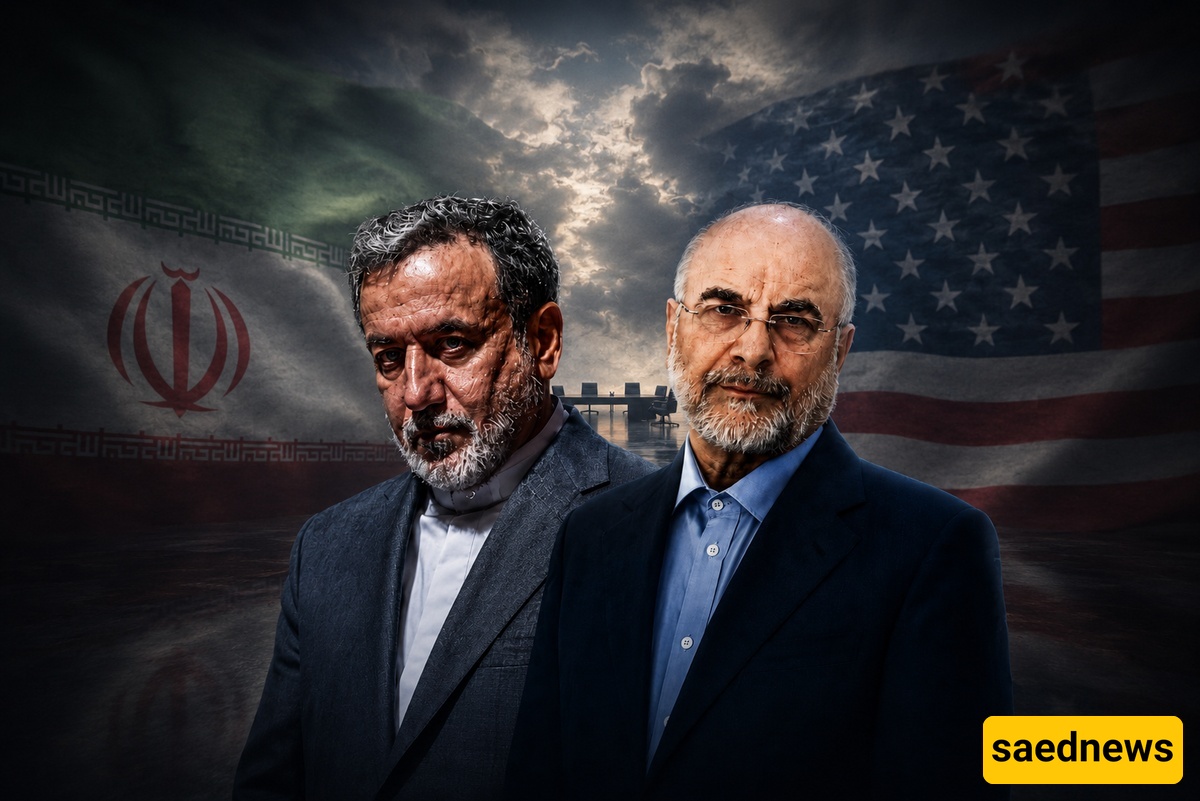
According to the political service of SaedNews, the ongoing process of negotiations between Iran and the United States, along with speculation about a potential agreement, has become a central topic of political debate inside the country. In the latest reactions, some members of parliament have taken a hardline stance, highlighting a significant divide in how diplomatic and military achievements are interpreted.
Qasem Ravanbakhsh, a critic and member of parliament, wrote a blunt and critical note assessing the outcomes of recent negotiations and drawing a clear distinction between achievements attributed to the “field” (military arena) and diplomacy.
Emphasizing that the neutralization of enemy plans in the region is unrelated to the negotiating table, he wrote:
“Defeating the enemy in its objectives—such as the failure to overthrow the Islamic system in Iran, the failure to disintegrate the country, attempts to gain control over the Strait of Hormuz, and heavy strikes against U.S. bases in the region and important targets in Israel—all are the result of war and resistance. Please do not factor these victories into the negotiation file.”
This view suggests that part of the country’s political establishment considers Iran’s geopolitical successes—such as maintaining security over strategic chokepoints like the Strait of Hormuz and establishing military deterrence against the United States and Israel—as being solely the result of resistance on the ground. They argue that diplomats should not leverage these factors in a way that would diminish the perceived weight of military actions.
Ravanbakhsh further criticized diplomatic performance in a sharp tone and expressed skepticism about the future of such agreements. He added:
“From today, we are waiting for victories that will come from the negotiating table. However, rather than expecting success in diplomacy, do not turn Iran’s achievements in the field of resistance into failure.”
This explicit warning reflects the concerns of critics of negotiations regarding potential concessions that may be granted to the opposing side during technical and implementation phases of agreements. From their perspective, preserving battlefield achievements should be the country’s top priority, and any retreat at the negotiating table could undermine previous hard-won gains.