SAEDNEWS: The world is close to a historic Geneva agreement to end a three-month war and lift sanctions. The deal includes releasing $24 billion and ending a naval blockade, but disputes over the Strait of Hormuz and 60-day nuclear talks raise doubts about its implementation and risk renewed tensions.
According to the political news service of Saednews, quoting Khabar Online, the world is on the verge of signing a historic agreement in Geneva—an agreement that could take the pressure off the global energy market and save regional and global economies, which are heavily dependent on large-scale oil imports or exports, from a free fall. However, like all diplomatic achievements in the Middle East, this agreement is more of a beginning than an end: the start of a tense 60-day period of negotiations that could either lead to lasting peace and massive economic reconstruction or, if trust is lost, once again ignite the flames of war.
In days when the world was holding its breath to see the end of a three-month war, news of a possible agreement once again raised speculation about its details and its impact on energy markets. What appears on the surface to be a major diplomatic victory conceals layers of ambiguity and disagreement beneath. From the details of the release of $24 billion in frozen Iranian assets to promises regarding the reopening of the Strait of Hormuz, each element of the agreement raises more questions than it answers.
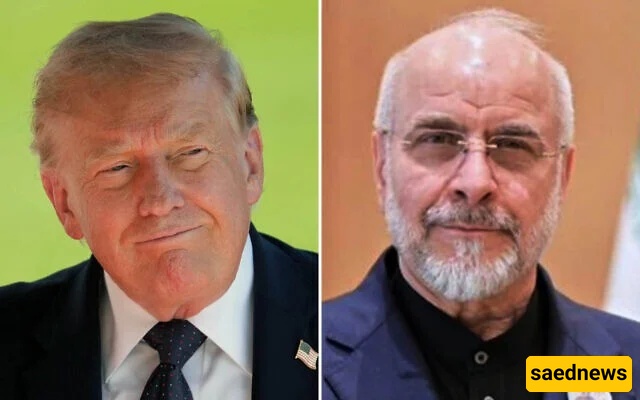
The timing of the announcement, coinciding with the G7 summit in France, provided a fertile ground for political controversy. While Donald Trump, the U.S. President, announced in a triumphant tone that a historic agreement had been reached and that he had “ordered ships to start their engines so oil can flow,” a different narrative emerged in Tehran, suggesting that Trump was rushing to record this victory on his birthday.
This divide forms the core of the deep-rooted mistrust between the two sides. While Reuters refers to Tehran’s commitment not to pursue nuclear weapons, U.S. Vice President J.D. Vance, speaking on television networks, attempted to manage ambiguities by emphasizing the start of “60 days of technical negotiations”—negotiations that effectively postpone resolving highly contentious issues such as uranium enrichment.
Neither side has officially confirmed the full text of the document. Ben Radd, a senior researcher at the Burkle Center, stated: “This memorandum is merely a baseline for volatile negotiations in which key issues, including missile capability and proxy groups, remain unresolved.”
The Strait of Hormuz, the vital artery of global energy, is at the center of these negotiations. Its closure by Iran and the U.S. naval blockade had pushed Brent crude prices above $120 in April.
While Trump speaks of a “completely unrestricted” reopening of the strait, Tehran presents a different view. Iran distinguishes between “tolls” and “service fees” (including environmental and security services) and intends, after a 60-day period, to implement a mechanism similar to the Bosporus and Dardanelles straits to collect optional and mandatory service fees from ships.
According to published details, the implementation is divided into three main phases:
Immediate military-naval phase: Iran reopens the Strait of Hormuz following the signing of the agreement, and the U.S. lifts its naval blockade. Iran also begins a 30-day operation to clear mines from the strait. However, analysts believe it may take 3 to 6 months for maritime traffic to fully return to normal.
Financial-economic phase: The centerpiece for Tehran, involving the release of $24 billion in frozen assets over a 60-day period. Reports suggest Iran has secured the immediate release of $12 billion from third parties. The U.S. will also issue sanctions waivers for Iranian oil exports immediately after signing. There are also rumors of a $300 billion reconstruction plan for Iran’s development, though its details remain subject to further negotiation.
Nuclear phase: This complex phase includes Tehran’s commitment not to pursue nuclear weapons and the temporary suspension of facility development. The fate of enriched uranium and its possible dilution inside Iran is also deferred to this period.
Financial markets reacted immediately to the news, with Brent crude falling by 4.9% to around $83. However, experts warn of a phenomenon known as the “Hormuz hangover”—a period in which, despite the reopening of the strait, supply does not quickly return to pre-war levels.
Key reasons include:
Infrastructure issues: Months are needed to repair damaged facilities and return oil tankers that left the Persian Gulf.
Permanent service costs: If Iran succeeds in imposing shipping fees, this “risk premium” will permanently increase energy prices.
Demand destruction: The three-month war has reduced global consumption, meaning new Iranian supply would mainly offset the decline rather than create a price shock.
The 14-article draft of the agreement suggests it goes beyond a simple ceasefire. Notably, Iran’s missile program and support for “resistance groups” are excluded from negotiations. Analysts view this as a sign of the failure of the maximum pressure policy and a major concession to Tehran.
The world now awaits decisive days ahead in Switzerland. The agreement could reshape the geopolitical order of the Middle East—an outcome in which Iran emerges from war with substantial financial resources, while the United States seeks a dignified exit from the crisis.