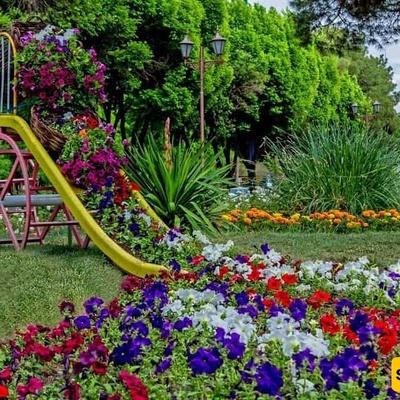
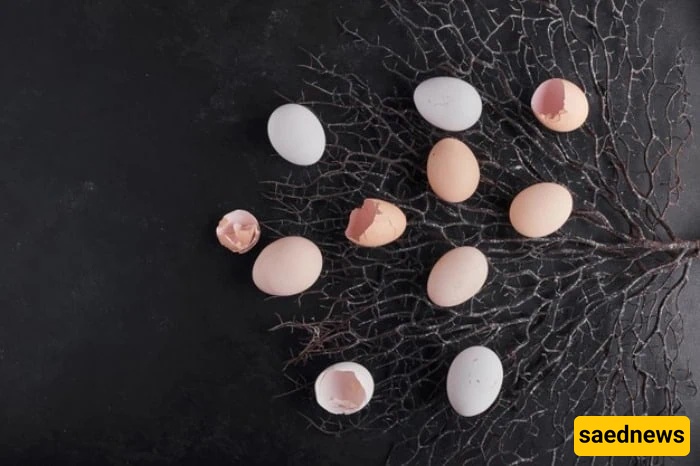
SAEDNEWS: To strengthen potting soil and promote faster growth of flowers and plants that we are caring for, various materials can be used, including eggshells that may seem to have no practical use.
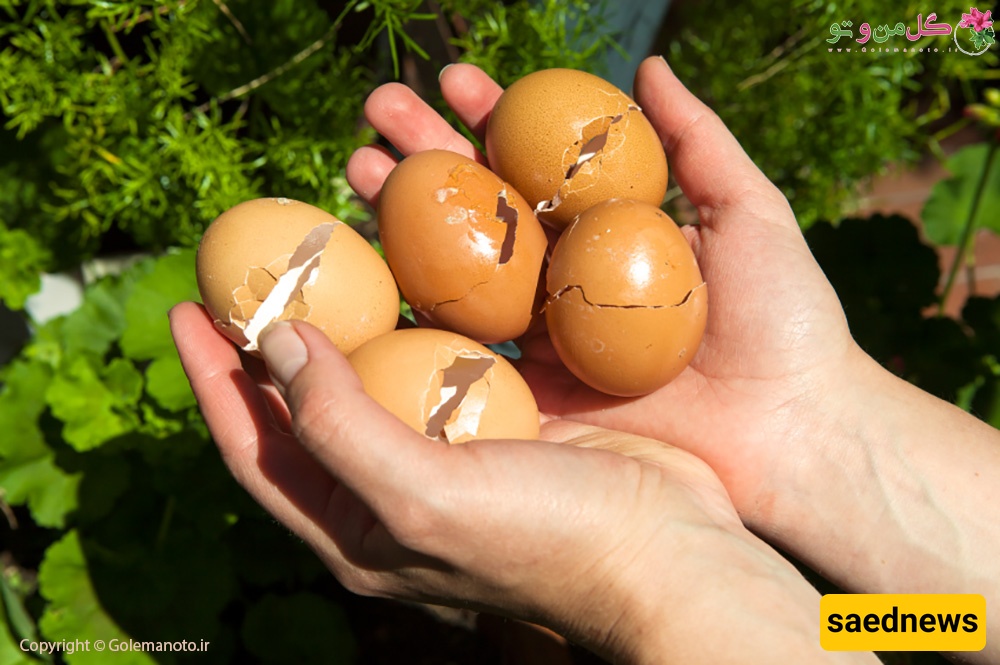
According to Saednews, Many people are not very familiar with the use of eggshells in home garden soil. If you are also unaware of this topic, it is worth reading this section, where we explain how to use eggshells as a plant fertilizer.
The question is why eggshells can be used as plant fertilizer. The answer is that eggshells are a rich source of calcium, phosphorus, magnesium, sodium, potassium, zinc, manganese, iron, and copper—essential nutrients that plants need for growth and survival.
By adding eggshells to compost materials, the final fertilizer mixture becomes calcium-rich. Since calcium is an essential nutrient for building plant cell walls, its absence slows down plant growth.
In some vegetable plants such as tomatoes and spinach, slow growth is often linked to calcium deficiency. In young plants, calcium deficiency causes leaf curling and the appearance of dark spots on leaves. In fruit-bearing plants like tomatoes, it can appear as blossom-end rot or dark, thin patches at the bottom of the fruit. Adding eggshells to garden compost can help prevent these problems.
Eggshells also help regulate soil pH and protect plants against diseases and pests. The calcium in the shell supports root development and helps treat weak or underdeveloped roots.
Instead of throwing away eggshells, you can use them in your vegetable garden and observe improved plant growth. However, before adding them to compost, it is better to wash them to prevent attracting animals due to odor and to avoid any contamination from remaining egg residue.
Eggshells can also be added directly to the soil. Many gardeners do this when planting vegetables such as tomatoes, peppers, and squash so that calcium is directly available to the plants.
There are several methods for using eggshells as fertilizer:
Wash 5–6 eggshells and let them dry.
Crush them into small pieces (do not grind into powder).
Place the crushed shells in a container and add half a liter of water.
Cover the container and leave it in a cool place for 6 days to prepare the liquid fertilizer.
Before using it on plants, dilute it by mixing 50% water and 50% of the liquid fertilizer.
Store it in a cool place for future use.
Boil 3.5 liters of water.
Add 10 clean, dry eggshells.
Let them sit overnight in the water, then strain the liquid.
Pour the concentrated solution directly onto the soil so plants can absorb calcium and potassium.
Repeat this once a week.
Wash and dry eggshells thoroughly.
Place them in a food processor and grind them well.
Before planting seeds or seedlings, sprinkle a handful of crushed eggshells into the planting hole.
Then place the plant and cover it with soil.
Use about 5 eggshells per plant.
Important note: Do not use eggshells for plants that prefer acidic soil, such as blueberries.
Eggshells in garden soil can also help repel slugs, worms, and other crawling pests, as their presence can disrupt the soil environment around plants.
By not throwing away eggshells, you not only reduce waste but also enrich your garden soil with a natural and nutrient-rich material. Using them as organic fertilizer can improve plant growth and soil health significantly.