SAEDNEWS: Museum Island encompasses the northern half of an island located in Berlin’s Spree River. The area is renowned for its collection of internationally acclaimed museums, making it one of the city’s most important cultural and historical destinations.
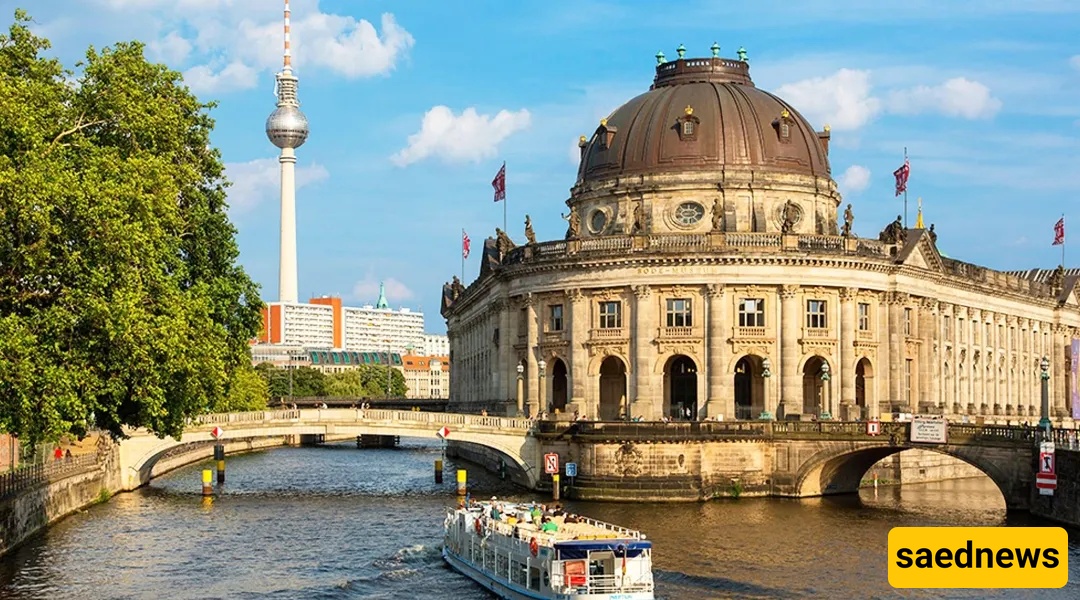
According to Saednews, Berlin Museum Island, known in German as Museumsinsel, is home to five remarkable museums featuring priceless artistic and historical collections from different eras and civilizations, including Ancient Egypt, the Byzantine period, and old Berlin. The extraordinary treasures preserved on Museum Island have made it one of Germany’s most popular and fascinating cultural destinations.
Every year, hundreds of thousands of visitors, including travelers exploring Germany, come to this part of Berlin to discover ancient artifacts and artworks that have no equal anywhere else in the world. Among the many masterpieces displayed here, the famous bust of the Egyptian queen Nefertiti stands out above all. Seeing Nefertiti’s mysterious smile, often compared to the enigmatic expression of the Mona Lisa, along with the beauty of her features and the exceptional craftsmanship of the sculpture, makes a visit to Museum Island one of the essential experiences for anyone traveling to Berlin.
The Pergamon Museum attracts around one million visitors each year, making it one of the most visited museums in Germany. One of its most extraordinary highlights—and perhaps one of the greatest treasures on Museum Island—is the Ishtar Gate of Babylon. Other important attractions include the Market Gate of Miletus and its impressive collection of Islamic art.
At the Bode Museum, visitors have the unique opportunity to explore a vast collection of sculptures dating from the Middle Ages to the late 18th century, along with other valuable artworks.
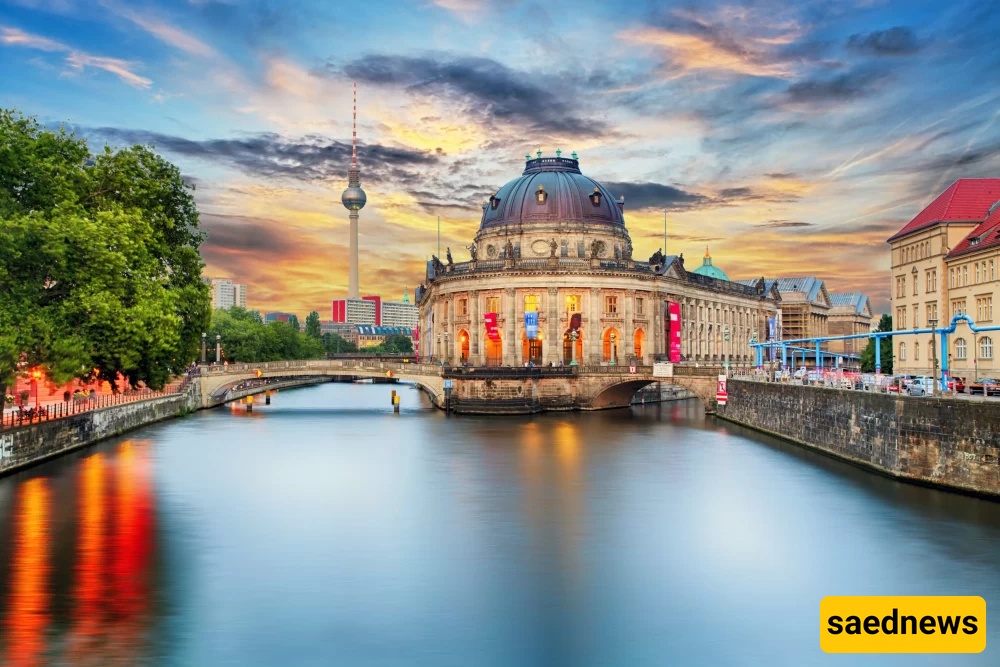
Another major attraction of Museum Island is the building itself: the Neues Museum. After suffering severe damage during World War II, restoration work began in 1999. Following a decade of reconstruction, the museum reopened to the public in 2009 with a remarkable architectural design. Today, it houses an outstanding collection of Ancient Egyptian artifacts and papyrus documents.
The most famous piece in the Egyptian collection is undoubtedly the Bust of Nefertiti, one of the most recognizable ancient artworks in the world.
The Alte Nationalgalerie (Old National Gallery) opened in 1876 and now displays paintings and sculptures from various artistic movements, including Neoclassicism, Romanticism, Impressionism, and modern art.
The Altes Museum was opened in 1830 as the first museum on Museum Island. At the time, its Neoclassical exterior, featuring grand columns, a spacious entrance hall, and an impressive domed section, was considered an exceptional example of public architecture.
Today, the museum hosts permanent exhibitions showcasing artworks and sculptures from ancient civilizations, ranging from Ancient Greece to the Roman Empire.
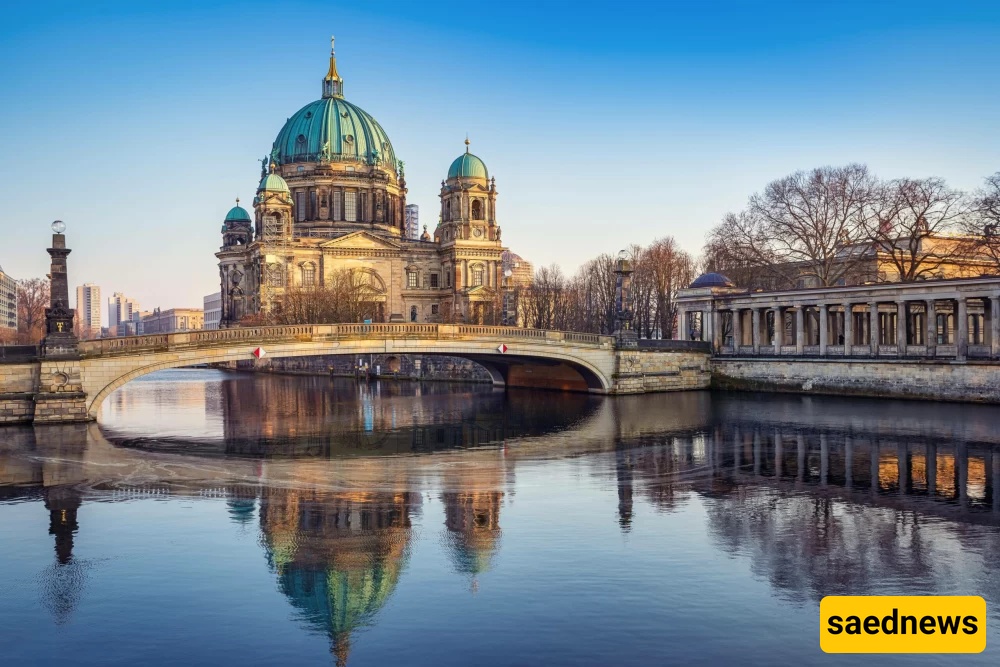
Museum Island is easily accessible through Berlin’s public transportation network. Visitors can reach the area using the U6 underground line or city trains such as the S1, S2, S25, S5, S7, and S75 lines. For example, from Hackescher Markt station, the island is only about a 15-minute walk away.
Tram lines M1 and M12 stop near Kupfergraben, from where Museum Island is approximately a five-minute walk.
Visitors can purchase a Museum Island Pass, which allows entry to all museums on the island over three consecutive days. Alternatively, the Museum Pass Berlin provides free access to more than 30 museums across the city.
Admission to Berlin Museum Island is free for children and teenagers under the age of 18.