SAEDNEWS: A demolition hammer is a heavy-duty electric tool used in construction projects to break walls, concrete, structures, and hard surfaces such as asphalt.
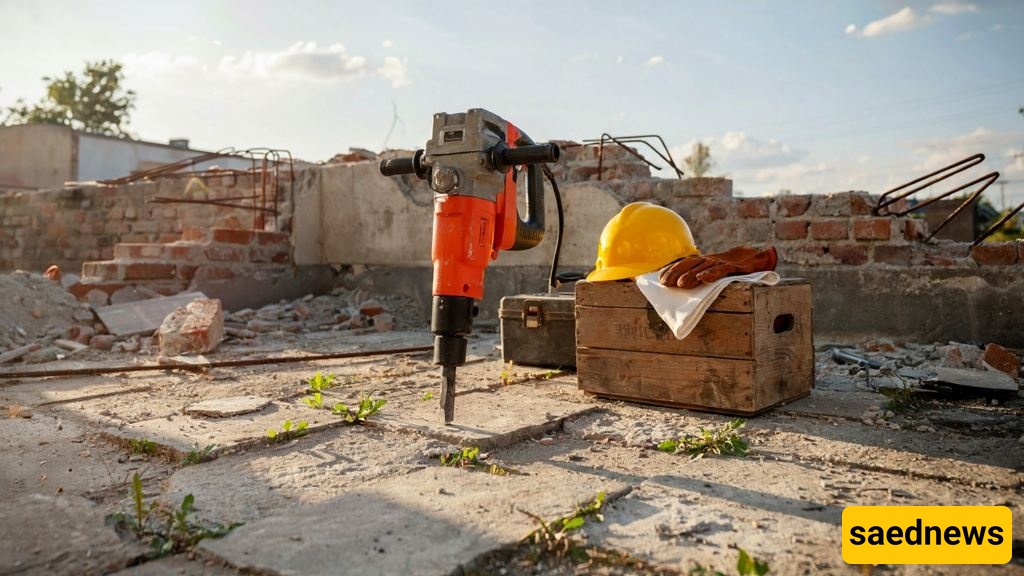
According to Saednews, A demolition hammer is one of the most powerful construction tools designed for breaking concrete, bricks, stones, asphalt, and other hard materials. By delivering continuous high-impact blows, this machine performs demolition work faster and more efficiently than traditional methods.
Demolition hammers are widely used in construction projects, renovation works, road construction, and installation projects for removing walls, floors, and concrete structures.
A demolition hammer generates a powerful impact force through an electric motor or a pneumatic system. This force is transferred through a steel chisel to the target surface, causing the material to break apart.
Unlike a rotary hammer or concrete drill, a demolition hammer does not have drilling capability and is designed only for breaking and removing materials. Factors such as impact energy, blows per minute, and the type of chisel used have a major effect on the tool’s performance.
Demolition hammers are available in different types, including electric, cordless, pneumatic, and gasoline-powered models.
Electric demolition hammers are the most common choice for construction projects and are available in various power levels.
Pneumatic models are mainly used in heavy industries, mining operations, and large-scale projects. Cordless demolition hammers are a suitable option for locations where access to electricity is limited.
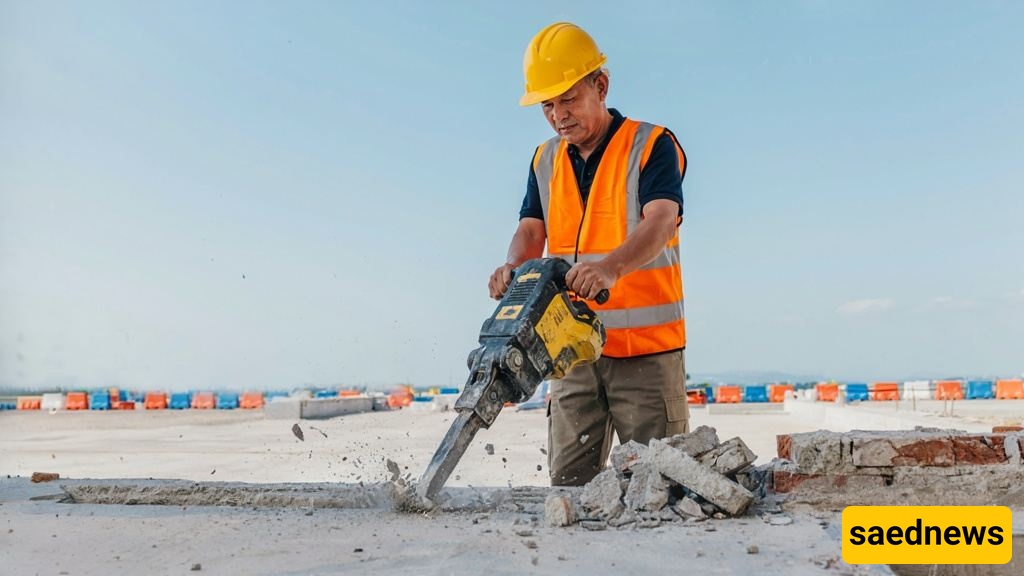
Using a demolition hammer requires careful attention because it is a powerful and heavy tool.
Operating a demolition hammer can be dangerous due to its high power and weight. Before using the tool, make sure that no other people are standing close to the work area.
The operator should always wear appropriate protective equipment, including:
A hard hat
Safety glasses
A dust mask
Heavy-duty work boots
Protective gloves
The strong impact force of a demolition hammer can make it difficult to maintain control. Gloves can improve grip, while safety boots help protect the user if balance is lost during operation.
A demolition hammer requires strong and steady pressure during operation. When the user applies consistent force to the tool handle, the demolition process works more effectively.
However, unstable pressure can cause the chisel head to slip, which may create dangerous situations and reduce control over the machine.
The operator should avoid standing directly in line with the demolition point. The material being broken should be approached at a slight angle to improve control and safety.
The person using the demolition hammer should maintain a stable position according to the surrounding environment and the location of the demolition work.
When selecting a demolition hammer, several factors should be considered, including:
Motor power
Impact energy per blow
Blows per minute
Machine weight
Chisel holder type (such as SDS-Max or HEX)
Build quality
Anti-vibration system
A comfortable ergonomic handle and vibration-reduction technology can improve user comfort and reduce fatigue during long periods of operation.
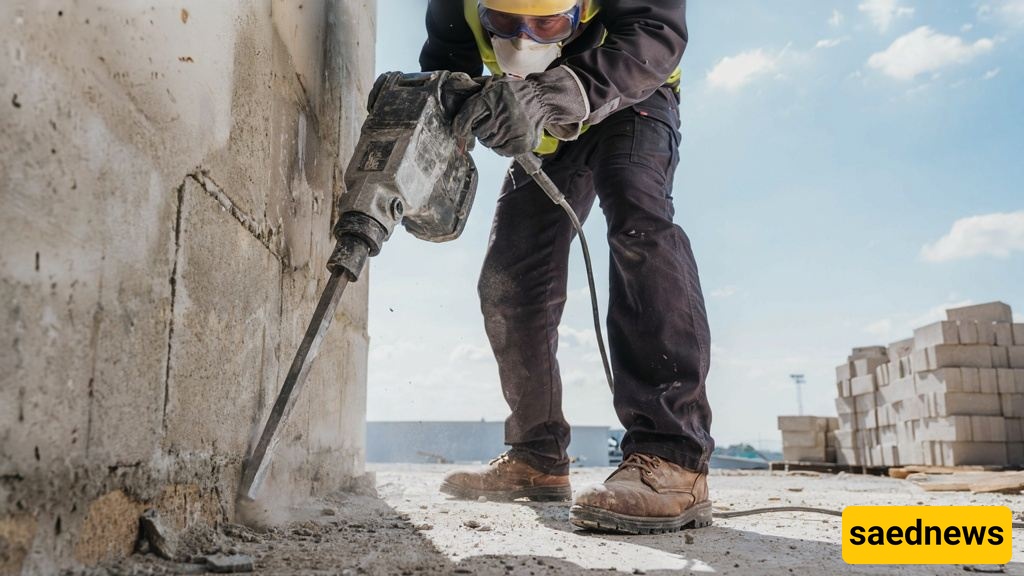
Concrete breakers and demolition hammers are often used for similar purposes, but their functions can differ depending on the design.
Concrete drills or rotary hammers are mainly used for drilling holes and chiseling concrete or walls, making them suitable for installation work and construction tasks.
Demolition hammers, on the other hand, are specifically designed for breaking and removing extremely hard materials such as concrete structures, floors, and walls.
A demolition hammer is an essential tool for heavy-duty construction and renovation projects. With powerful impact force and different available models, it allows users to complete demolition tasks faster and more effectively. Choosing the right type of demolition hammer and following proper safety practices are important for achieving better results and preventing accidents.