Saed News: Researchers have introduced a new tool for measuring biological aging and estimating the risk of death by developing a type of gene-activity-based “biological clock.”
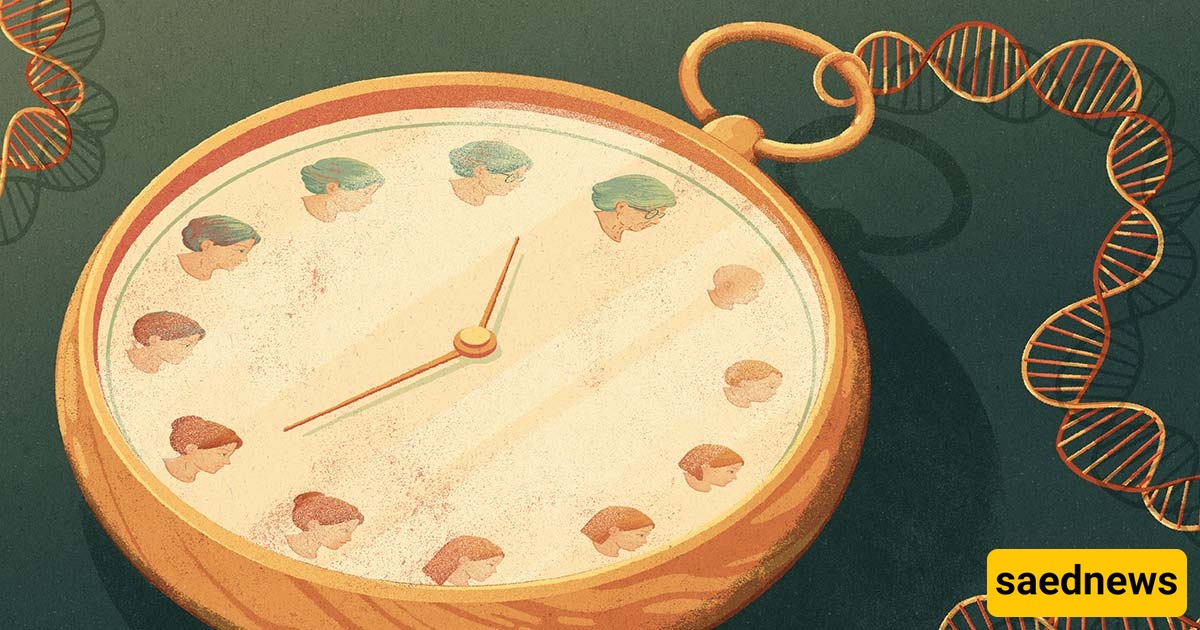
According to SAEDNEWS, scientists have developed a new tool for assessing biological aging that can provide a more accurate picture of the body’s health status and aging process by analyzing gene activity. The study, published in the journal Nature, shows that patterns of gene activity can serve as a reliable indicator for evaluating the rate of aging and even estimating the risk of death.
Previously, most aging research focused on “epigenetic clocks,” which estimate biological age by examining chemical changes in DNA. However, the accuracy and generalizability of these methods have always been debated. In the new study, researchers adopted a different approach.
According to Science Alert, instead of focusing on DNA changes, scientists examined gene activity. This method, called a “transcriptomic clock,” is based on analyzing RNA—molecules that carry genetic information for protein production. Since gene activity patterns change with age, this information can serve as a biological signature for measuring aging.
One of the key features of the study was the use of a large dataset of more than 11,000 biological samples from four mammalian species: humans, macaques, mice, and rats. Researchers compared data from different organs and species to identify markers of aging that are shared across species.
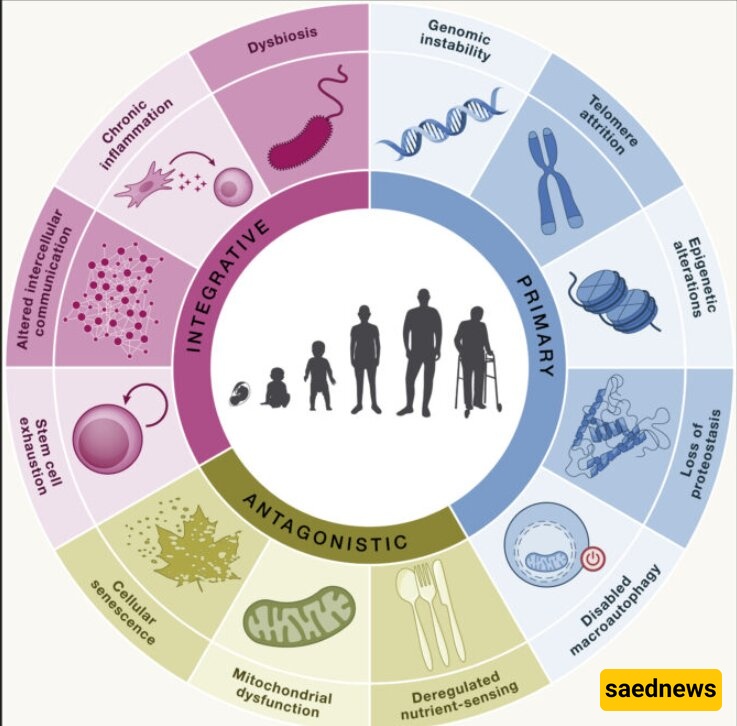
The results showed that genes involved in processes such as wound healing and healthy cell division are generally associated with slower biological aging. In contrast, increased activity in genes related to inflammation and cell death is associated with faster aging and a higher biological age.
The researchers then converted this data into an algorithm and compared its performance with other aging measurement models. The results showed that this new biological clock can detect accelerated or slowed aging and also estimate the risk of death. In human blood samples, its performance in predicting time of death was comparable to the best existing epigenetic clocks.
The researchers also found that the tool can detect the effects of chronic diseases. In both animal models and human samples, chronic diseases were associated with specific changes in gene activity patterns that the new biological clock was able to identify.
According to the researchers, one potential application of this technology is the rapid evaluation of how drugs or lifestyle changes affect the aging process. This would allow scientists to obtain early insights into the impact of a treatment or intervention on biological age before conducting long-term studies.
However, the scientists emphasize that the technology is still in its early stages and requires further research across diverse human populations for widespread use. Nevertheless, early results suggest that this new biological clock could become an important tool in future aging and health research.