SAEDNEWS: In spring and summer, you can smell geraniums in green spaces. You can also grow this beautiful flower at home or in an apartment. This article explains how to care for and cultivate geraniums.
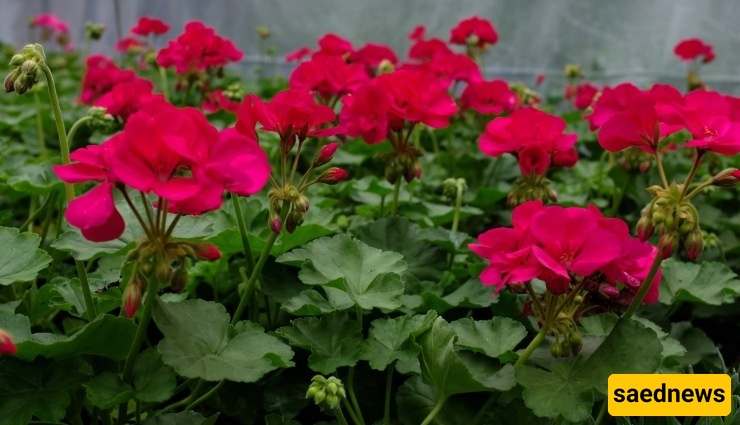
According to the Family Magazine Service report by SaedNews, the plants commonly known as “geraniums” are not actually true geraniums. What is usually bought and sold in greenhouses or flower shops as geranium is in fact Pelargonium. Botanically, true geraniums belong to the genus Geranium and are hardy perennial shrubs. Wherever you plant them, they eventually develop lush foliage and fragrant blossoms.
Below is a summary of this beloved plant’s characteristics:
Common names: Geranium, Pelargonium
Plant type: Perennial shrub
Mature height: About 121 cm
Mature width: About 91 cm
Light requirement: Full sunlight
Soil type: Well-drained soil with neutral to alkaline pH
Blooming season: Spring and autumn
Flower colors: Red, pink, orange, purple, and white
Native region: South Africa
Other characteristics: Toxic to dogs and cats
In gardens, you can usually find 4–5 main types of geraniums:
Zonal (Common geranium): Known for its round, velvety green leaves, often with a dark reddish ring.
Ivy-leaved geranium: Named for its glossy, ivy-shaped leaves. It has a trailing growth habit and is suitable for hanging baskets.
Scented geranium: Known for its fragrant foliage. Flowers are small, usually white or red. Leaves are round or fern-like. Most grow 30–90 cm tall.
Hybrid geranium: A cross between zonal and ivy geraniums, often with more petals and showier flowers.
Few people know that both the flowers and fragrant leaves of geraniums are edible and can be used in cooking. Fresh leaves can be used to flavor jellies and cold drinks. Dried leaves can be used to fragrance the home.
Other uses include flavoring sugar, iced tea, lemonade, cakes, cookies, and salads.
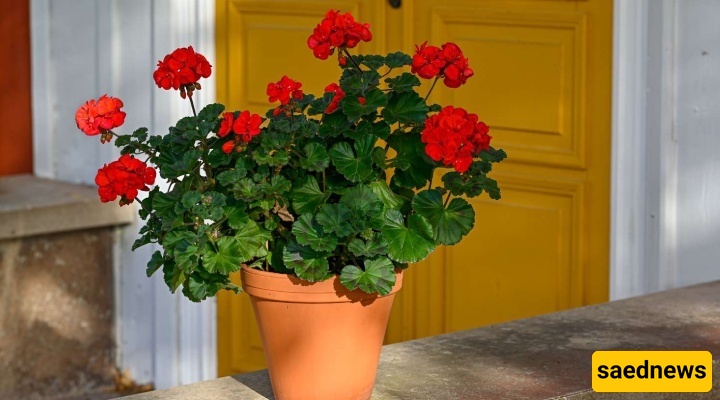
The lifespan depends on the species. Common geraniums often live about one year, but in warm coastal and tropical regions where they do not freeze, they can live for several years. As they age, their soft stems become woody, turning them into attractive shrubs.
In colder regions, the plant should be kept near windows during winter.
Geraniums are generally low-maintenance and can be grown in gardens or balcony pots.
This plant loves sunlight and requires full sun. If grown in pots, you can move them to adapt to environmental conditions.
If leaves show sunburn, move the plant to shade temporarily.
If leaves turn yellow and flowering is delayed, place it in stronger sunlight.
Geranium grows well in any fertile, well-drained soil. If soil quality declines, it should be improved with organic matter. Garden soil requires less fertilizer, while sandy or light soils need fertilization during growth.
It needs moderate and regular watering. Potted geraniums dry out faster than garden-grown ones and require more frequent watering.
Excessive summer heat can reduce flowering. Many geraniums stop blooming in extreme heat and resume when temperatures drop.
Do not over-fertilize. Feed once in spring with slow-release fertilizer. A balanced 20-20-20 fertilizer is recommended during the growing season, up to three times. Do not fertilize in winter dormancy.
The best time to sow seeds is late winter. Fill a clean seed tray with moist seed-starting soil, make shallow holes, and plant seeds according to package instructions. Cover lightly with soil and water gently. Place in a sunny location.
When seedlings develop 2+ leaves, transplant them into small pots. Before moving outdoors, gradually acclimate them by placing them outside in shade for one week.
Cuttings are another effective method. Take cuttings in spring from stems that have grown after winter, or in late summer.
Cut just above the third node below a growing leaf.
Remove buds and all leaves except the top two.
Make a clean diagonal cut below the lowest node.
Plant in moist soil or a mix of sand/perlite.
Place in a warm, bright location.
Most cuttings root easily.
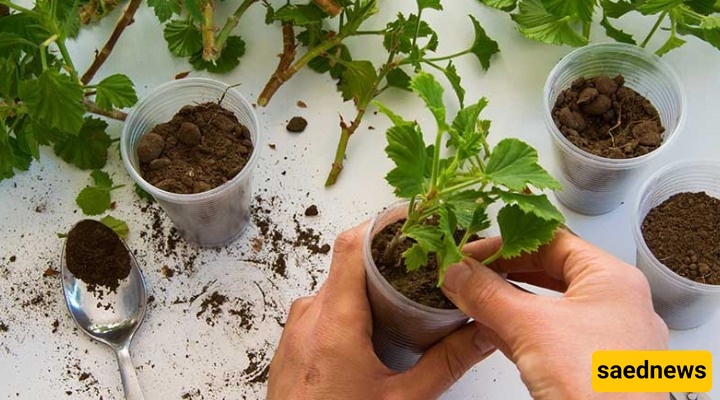
Use well-drained soil
Feed with appropriate fertilizer if soil is weak
Remove faded flowers regularly (deadheading) to encourage new blooms
Pinch young plants to promote bushier growth
Common pests include:
Aphids
Spider mites
Whiteflies
Geranium caterpillars
These are usually controlled with neem oil or spinosad spray.
Problems may arise if plants are overwatered, exposed to prolonged rain, or watered excessively on foliage. Yellow leaves indicate incorrect watering, while brown leaf tips may result from heat stress.
When purchasing geraniums:
Choose based on flower color and growth habit
Check plant health (no discoloration or pests)
Ensure strong stems and healthy leaves
Use a pot with proper drainage when repotting
Geraniums are beautiful and nostalgic plants often associated with traditional home gardens. With proper sunlight, drainage, and moderate watering, they thrive easily and produce abundant flowers.
Do you have experience growing geraniums?