SAEDNEWS: The Cancun Underwater Museum is a unique attraction beneath the Caribbean Sea, featuring underwater sculptures that can be explored by snorkeling, diving, or glass-bottom boat tours.
According to Saednews, Museums are among the world's most important cultural and tourist attractions. The word "museum" originates from the Greek word Mouseion, which referred to a sacred place dedicated to the nine Muses, the goddesses of art and science. Early museums began as private collections owned by wealthy families and institutions. Today, museums serve as permanent organizations that preserve and display artistic, cultural, historical, scientific, and industrial collections for public education and enjoyment.
Modern museums come in many forms, including art museums, natural history museums, science museums, children's museums, and museums dedicated to war and peace. Beyond displaying valuable collections, museums strengthen the connection between people, history, culture, nature, and creativity.
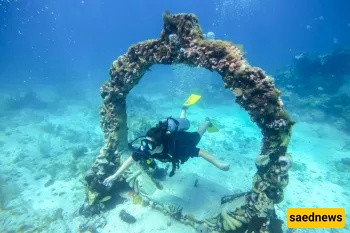
The Cancun Underwater Museum (Museo Subacuático de Arte – MUSA) is one of the world's most extraordinary museums. Located beneath the waters surrounding Cancun and Isla Mujeres in the Mexican state of Quintana Roo, the museum combines contemporary art with marine conservation.
Opened in 2009, MUSA features approximately 500 underwater sculptures created primarily by British sculptor Jason deCaires Taylor, alongside works by five Mexican sculptors. The sculptures are installed in three underwater galleries at depths ranging from 3 to 6 meters inside the Cancun National Marine Park.
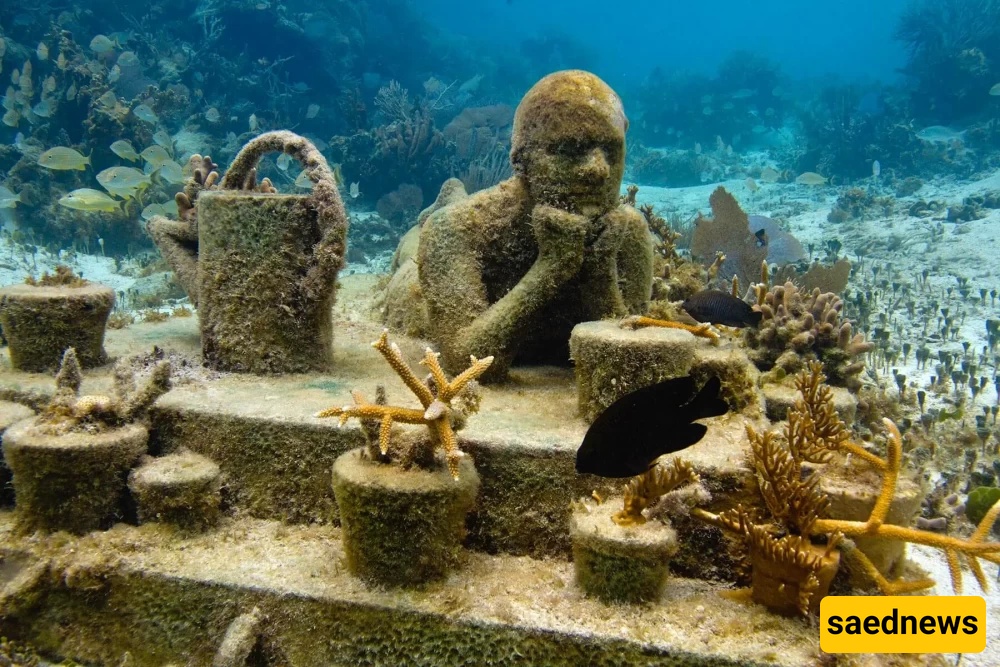
Unlike traditional museums, MUSA is dedicated not only to art but also to protecting fragile marine ecosystems by encouraging coral growth and reducing pressure on natural reefs.
The idea for the museum originated with Jaime Gonzalez Canto, director of Cancun National Marine Park, in collaboration with Jason deCaires Taylor. Their goal was to protect the area's endangered coral reefs by creating an alternative attraction for divers.
Heavy tourism, boat anchors, and frequent diving activities had severely damaged natural reefs, particularly Manchones Reef, one of Cancun's most visited coral formations. Instead of allowing thousands of divers to continue visiting vulnerable reefs, the team proposed building an underwater sculpture park that could function as an artificial reef.
Planning began in 2008, when Gonzalez and Taylor designed an underwater installation capable of supporting marine life while serving as an artistic attraction.
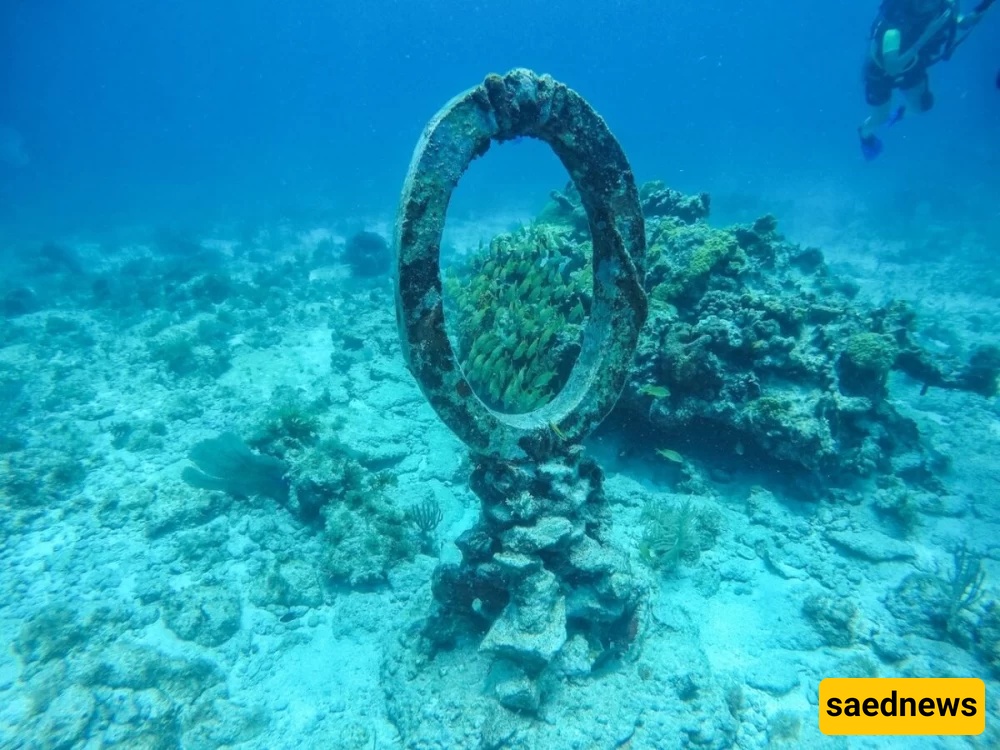
Several years earlier, Gonzalez had suggested relocating divers to an artificial reef area made from concrete structures. Initially, the proposal received little support because many believed that creating an attractive artificial reef would require too much time.
The project gained momentum after Gonzalez discovered Jason deCaires Taylor's successful underwater sculpture park in Grenada, where sculptures had already demonstrated their ability to encourage coral growth while attracting visitors. Inspired by this success, local authorities approved the Cancun project.
By the end of 2013, five years after MUSA was established, approximately 500 concrete sculptures had been installed beneath the ocean. Of these, 478 sculptures were created by Jason deCaires Taylor, while the remainder were produced by Mexican artists.
The museum received authorization to expand to 1,200 underwater structures across 10 locations within the national marine park. So far, two major areas have been developed:
Manchones Gallery with approximately 477 sculptures
Punta Nizuc Gallery with 23 sculptures
Plans have also included additional galleries featuring works by international artists.
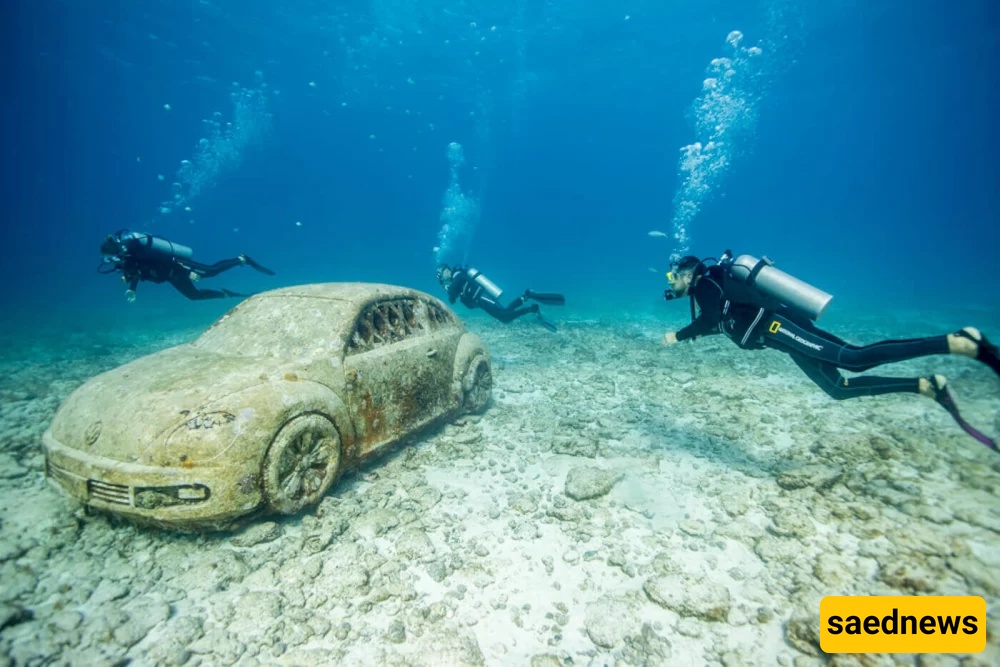
Installing the sculptures required specialized lifting equipment because many of them weigh several tons. Each sculpture was carefully cleaned before being submerged to ensure that no harmful chemicals entered the ocean.
The artworks are made from marine-grade, pH-neutral concrete, a material specifically designed to encourage coral attachment while remaining environmentally safe.
One of the museum's most famous installations is The Silent Evolution, consisting of more than 400 life-sized human figures.
These sculptures explore humanity's relationship with nature. Some figures appear connected with their surroundings, while others hide their faces or ignore the environment around them, symbolizing different attitudes toward environmental responsibility.
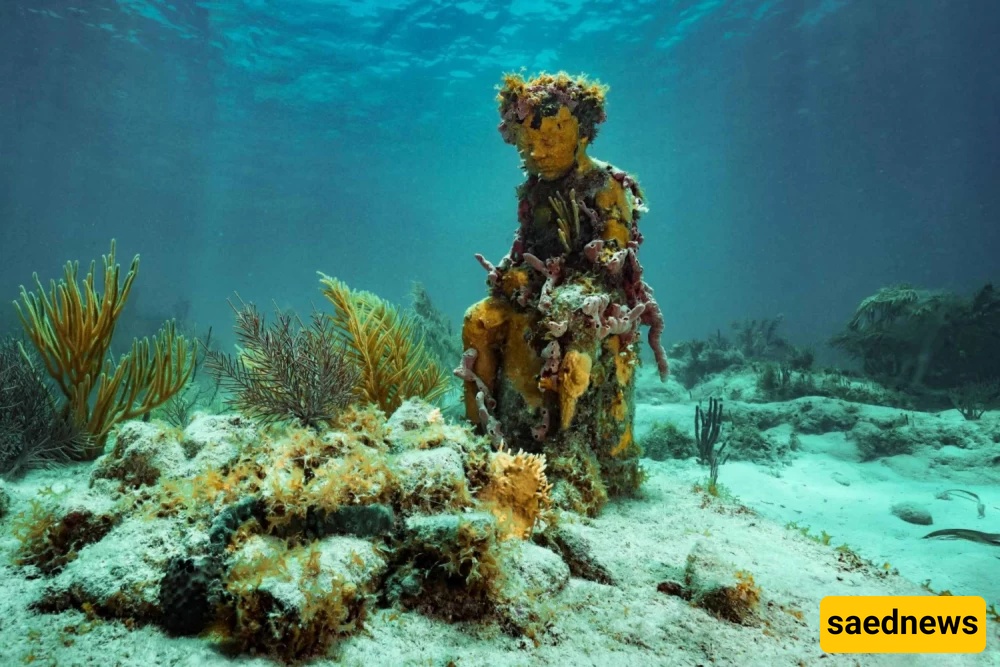
Taylor modeled every sculpture after real members of the local fishing community, giving each figure its own personality and realistic details. Hair, clothing, facial expressions, and body language were carefully crafted to create lifelike representations.
Among the sculptures are:
A young girl wearing a gentle smile while gazing into the distance.
Six businessmen with their heads buried in the sand, representing environmental ignorance.
A man seated at a desk beside his dog, symbolizing modern isolation from nature.
Creating this installation took approximately 18 months, including around 120 hours of underwater work. The project used approximately:
120 tons of concrete
Large quantities of sand
3,800 meters of fiberglass
400 kilograms of silicone
Taylor also transplanted coral fragments from damaged reefs onto some of the early sculptures, allowing marine organisms to colonize the artwork naturally.
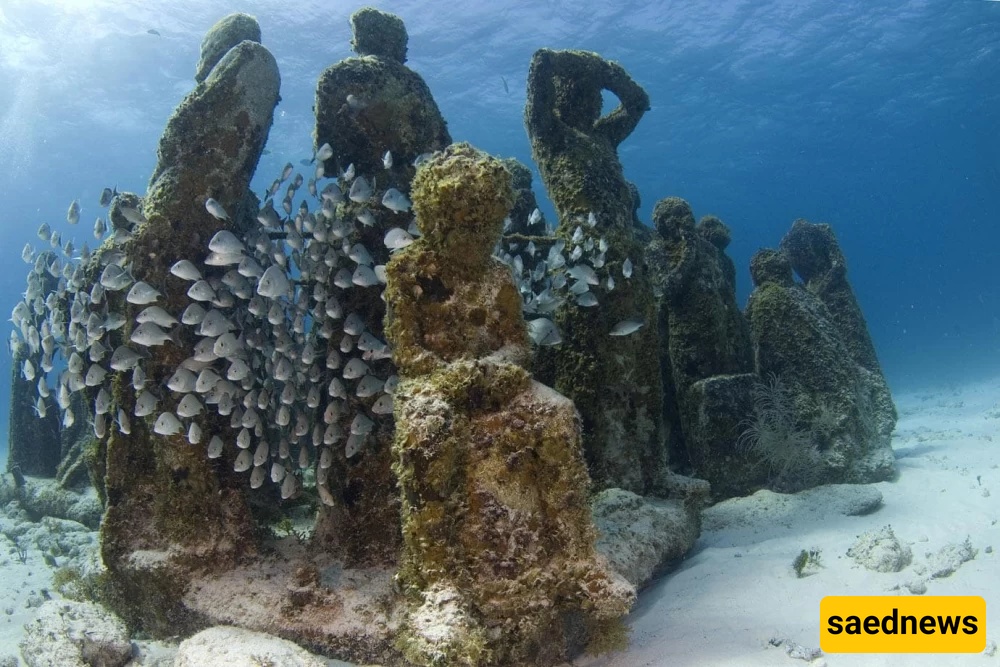
The Silent Evolution represents more than an art installation—it is an ongoing collaboration between humans and nature.
The project presents two simultaneous transformations:
The sculptures themselves form a permanent underwater exhibition.
Marine life gradually covers each sculpture with coral, algae, and other organisms, transforming the artworks into living artificial reefs.
As time passes, every sculpture changes naturally, making the museum a constantly evolving exhibition.
The Cancun Underwater Museum provides significant environmental advantages.
The pH-neutral concrete offers an ideal surface for coral larvae, algae, and other marine organisms to attach and grow. Unlike abandoned ships or other artificial structures, the specially designed material minimizes environmental harm while supporting healthy reef development.
Many sculptures also contain openings and cavities that provide shelter for fish and other marine animals, increasing biodiversity throughout the area.
By attracting divers away from fragile natural reefs, MUSA helps reduce human impact on vulnerable coral ecosystems while creating new habitats for marine life.
The museum has become one of Cancun's most distinctive tourist attractions, benefiting both marine conservation and the local economy.
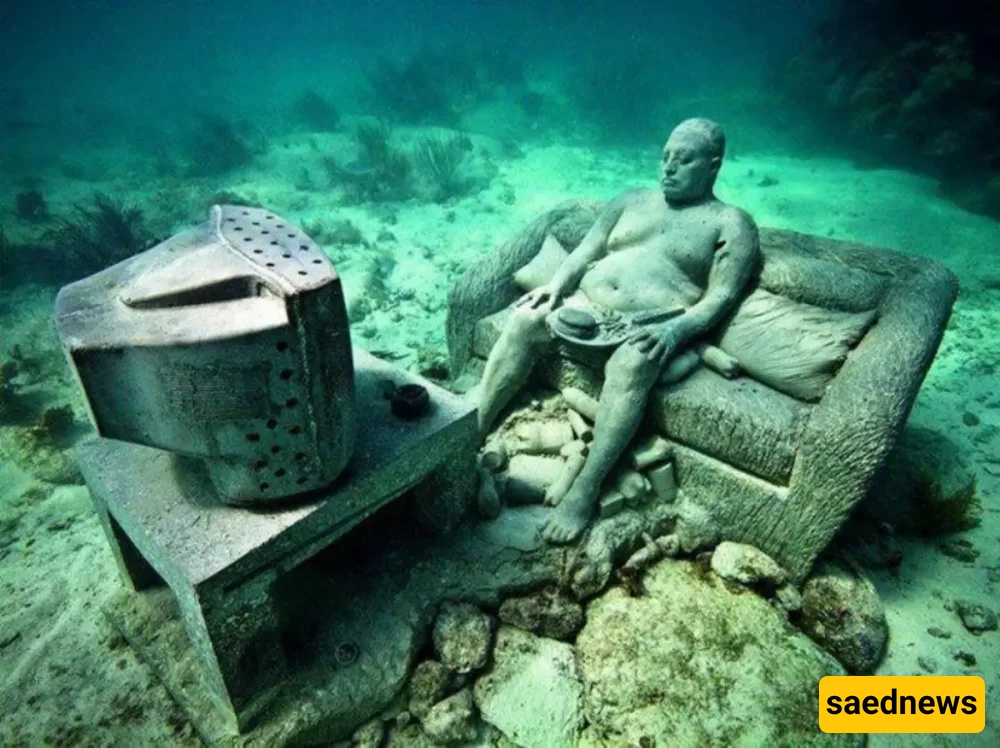
Although underwater sculptures naturally weather over time, the museum was intentionally designed to evolve. Coral growth continuously renews the sculptures, allowing nature to become part of the artwork itself. Rather than deteriorating, the installations gradually transform into thriving reef ecosystems that support marine biodiversity for future generations.
The Cancun Underwater Museum demonstrates how art and environmental conservation can work together. By combining creative expression with scientific design, MUSA protects endangered coral reefs, supports marine life, and offers visitors an unforgettable underwater experience. It stands as one of the world's finest examples of sustainable tourism, proving that cultural attractions can also play an essential role in preserving the natural environment.