SAEDNEWS: Understanding Phone RAM: What It Does and How It Affects Performance
According to Saednews, Today, smartphones are no longer just devices for calling and messaging; they are powerful computers that fit in our pockets. One of the most important components that determines a phone’s speed, performance, and overall user experience is RAM (Random Access Memory).
Choosing a smartphone with the right amount of RAM can make a major difference in app performance, gaming, and running multiple tasks at the same time. But what exactly is RAM, and why is it so important?
RAM, or Random Access Memory, is a fast and temporary storage space that holds the data and processes currently being used by a smartphone. It allows the processor to access information quickly without delays, which is why a phone’s speed and responsiveness depend heavily on the capacity and quality of its RAM.
High speed: Data stored in RAM can be accessed hundreds of times faster than data stored on a phone’s internal storage.
Temporary memory: RAM is volatile, meaning all stored data is removed when the device is turned off.
Multitasking capability: RAM allows multiple applications to run at the same time without significant performance drops.
Graphics processing support: In smartphones with integrated GPUs, part of the RAM is used to store and process graphical data.
A smartphone uses RAM for several important functions:
Operating system processes: A portion of RAM is reserved for running the operating system and managing hardware resources.
Temporary files and boot data: Short-term information required for faster system operation is stored in RAM.
Graphics processing: Visual data used for smoother images, animations, and games is loaded into RAM for quick access.
The ideal amount of RAM depends on how you use your phone:
Basic users (calls, messaging, social media): 4GB to 6GB of RAM is usually enough.
Moderate users (multiple apps, web browsing, video streaming): 6GB to 8GB of RAM provides smoother performance.
Heavy users and advanced gaming: 8GB to 12GB or more is recommended for demanding games, graphic-intensive applications, and heavy multitasking.
RAM plays a crucial role in smartphone gaming:
It stores temporary game data and maps for faster loading.
It helps games run more smoothly with fewer delays and frame drops.
It allows gaming while receiving notifications or handling other background tasks.

For example, demanding games such as PUBG Mobile and Genshin Impact require more than 6GB of RAM to deliver stable performance. When a phone has limited RAM, it must constantly move data between internal storage and RAM, which can lead to slower performance, lag, and reduced frame rates.
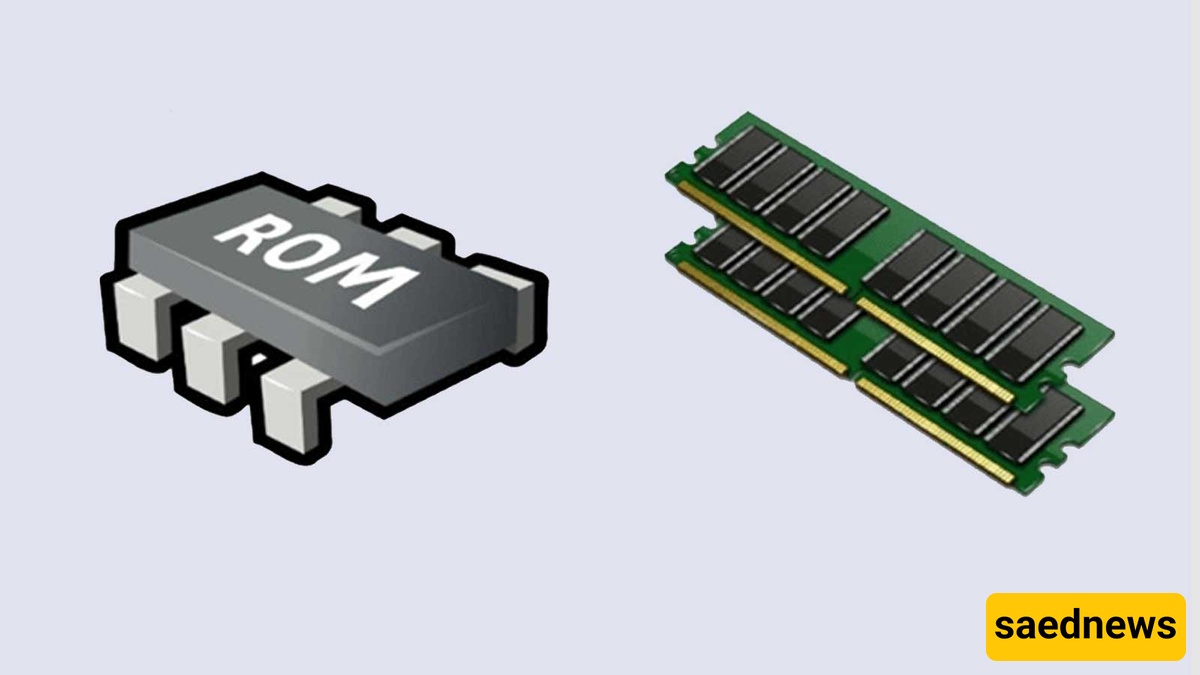
A common mistake among users is confusing RAM with internal storage (often referred to as ROM).
RAM: Fast, temporary, and used for active processes and data currently being processed.
ROM/Internal Storage: Permanent storage used for the operating system, applications, photos, videos, and other saved files.
Faster and more expensive.
Mainly used for processor cache memory.
More affordable and available in larger capacities.
Requires continuous power refresh.
The most common type of RAM used in smartphones.
RAM is one of the key factors that influences smartphone performance and user experience. More RAM allows a phone to handle demanding applications, advanced games, and multitasking more efficiently.
When buying a smartphone, it is important to choose a RAM capacity that matches your needs. Selecting the right amount of RAM can help prevent slowdowns, lag, and performance issues when running multiple applications at the same time.