SAEDNEWS: Choosing the best pen depends on your writing needs, personal writing style, and budget. In this guide, we explore the different types of pens, their key technical features, and the essential factors to consider before making a purchase.
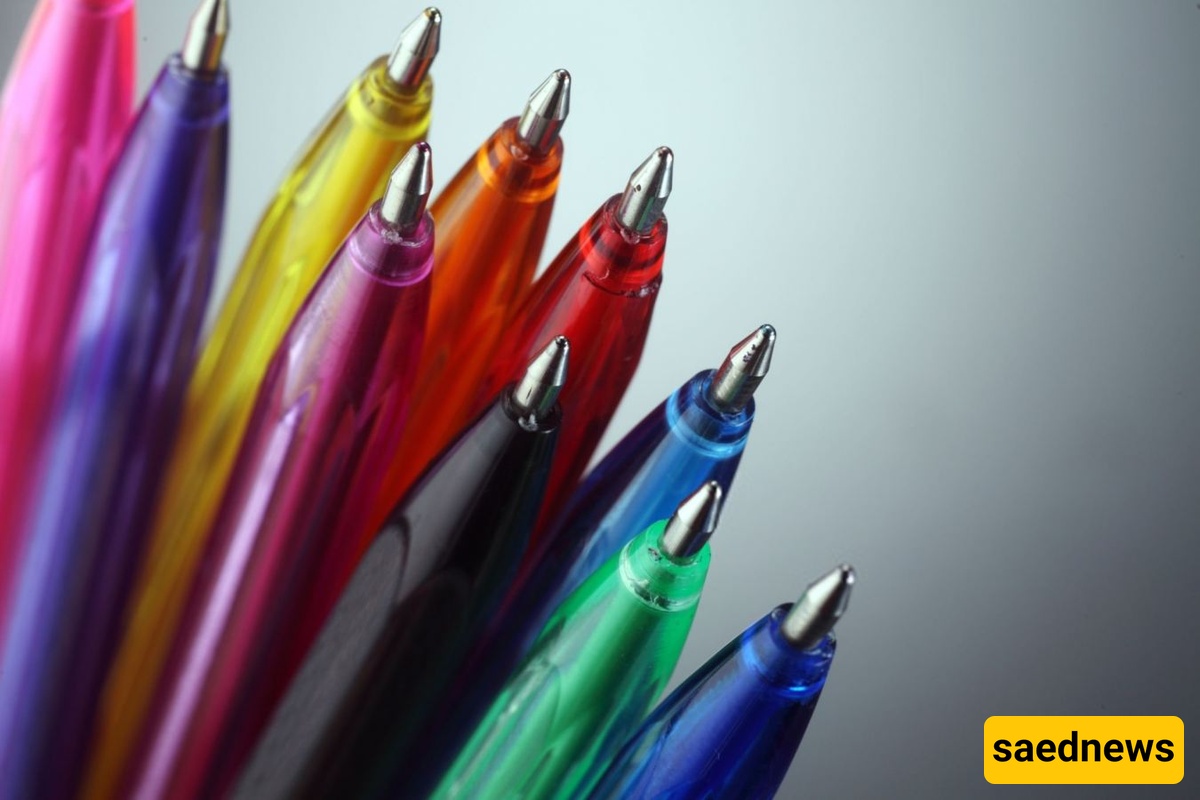
According to Saednews, Despite the rapid shift toward digital technology, pens remain an essential part of everyday life. Whether you're taking notes during meetings, writing in a journal, signing important documents, or studying, a quality pen can make writing smoother, more comfortable, and more enjoyable.
With so many types of pens available today, choosing the right one can feel overwhelming. This guide explains the main types of pens, their unique features, and the key factors to consider before making your purchase.
The first step in choosing the best pen is understanding how each type works. Different ink formulas, tip designs, and writing mechanisms create distinct writing experiences.
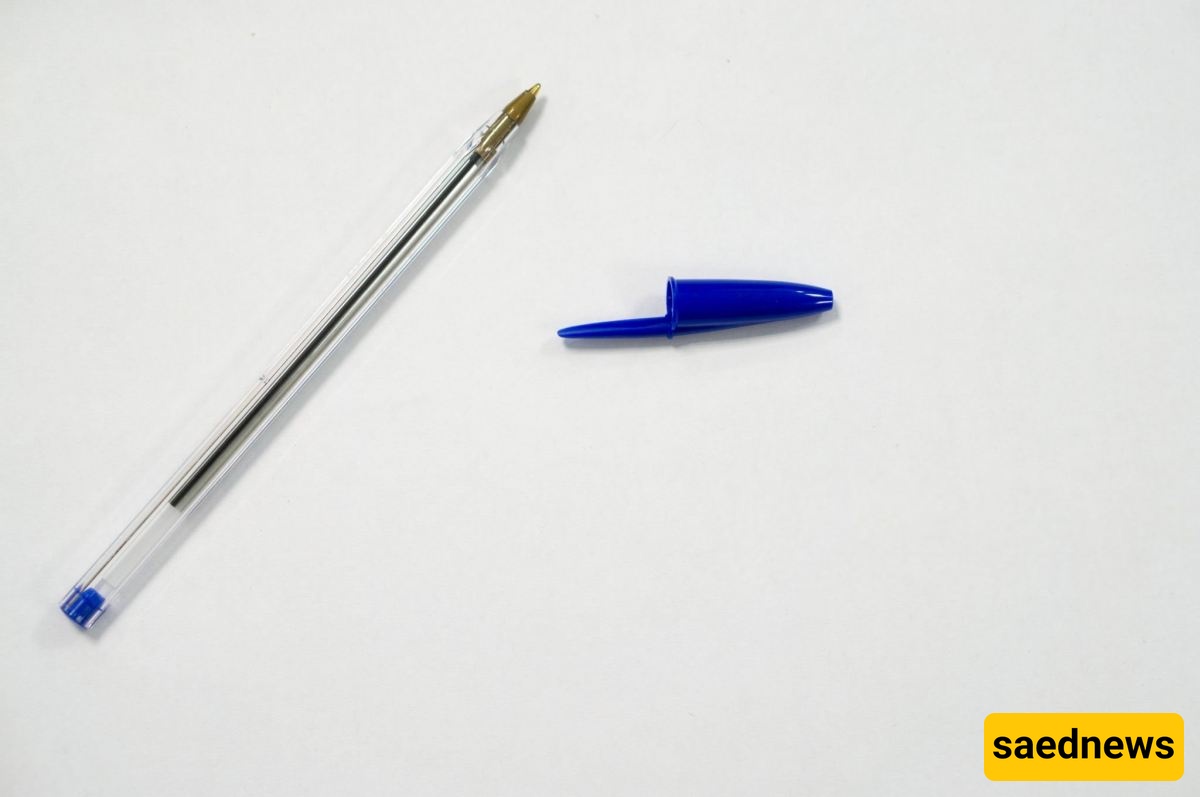
Ballpoint pens are the most widely used writing instruments in the world. They feature a small rotating ball that transfers thick, oil-based ink evenly onto paper.

Their biggest advantages include fast-drying ink, excellent resistance to smudging, and long-lasting ink cartridges. These qualities make ballpoint pens ideal for office work, school, and anyone who writes frequently. They are also an excellent choice for left-handed writers because the ink dries quickly.
Although they require slightly more pressure when writing compared to other pen types, their affordability, durability, and reliability make them one of the best all-around options.
Gel pens use a water-based gel ink that produces rich, vivid colors and an exceptionally smooth writing experience. They have become especially popular among students, artists, and anyone who enjoys colorful note-taking.
Because the ink flows more freely than ballpoint ink, writing feels softer and requires less pressure. The result is bold, consistent handwriting with excellent color intensity.

The downside is that gel ink takes longer to dry and may smear if touched too soon or exposed to moisture. However, for those who value comfort and vibrant writing, gel pens are an outstanding choice.
Rollerball pens combine the convenience of a ballpoint with the smooth feel of a fountain pen. They use liquid water-based ink that flows effortlessly across the page.
Writing with a rollerball requires minimal pressure, producing clean, consistent lines that often appear more refined than those created by ballpoint pens. This makes rollerball pens particularly suitable for business correspondence, signatures, and professional documents.

Their main disadvantages are that the ink can dry out if left uncapped and is generally less resistant to water than ballpoint ink.
Fountain pens are among the oldest and most prestigious writing instruments. Instead of a rolling ball, they feature a metal nib that delivers liquid ink directly from an internal reservoir.
One of their greatest advantages is that they require almost no writing pressure. The pen glides naturally across the paper, reducing hand fatigue during long writing sessions while offering a uniquely satisfying writing experience.
Fountain pens do require regular maintenance, including cleaning and refilling with quality ink. For writing enthusiasts, however, they offer unmatched elegance and a timeless appeal.
Beyond standard writing pens, several specialized options are designed for unique purposes.
Multi-color pens allow users to switch between ink colors quickly, making them ideal for color-coded notes and organization. Stylus pens combine traditional writing with touchscreen compatibility, making them useful for digital devices.
Other specialized options include space pens designed to write in extreme temperatures and zero gravity, as well as security pens that use anti-fraud ink for official documents.

The best choice depends on your profession, work environment, and personal needs.
Choosing the right pen involves more than selecting a brand. Consider these important factors before making your decision.
Pen tips typically range from 0.3 mm to 1.0 mm.
A 0.5 mm tip offers an excellent balance between precision and readability, making it the preferred choice for everyday writing.
A 0.7 mm tip creates bolder, darker lines that work well for signatures and larger handwriting. Writers with smaller handwriting may prefer 0.4 mm or 0.5 mm tips, while those with larger handwriting often find 0.7 mm or 1.0 mm more comfortable.
High-quality ink should dry quickly, resist water, and minimize smudging.
Pigment-based inks generally offer better durability than dye-based inks, providing greater resistance to fading from sunlight and moisture. Waterproof ink is especially recommended for important documents and archival writing.
If you write for extended periods, choose a pen with a soft rubber grip that reduces finger pressure and hand fatigue.
The body material also affects comfort. Plastic pens are lightweight and economical, while metal pens provide a premium feel and greater durability.
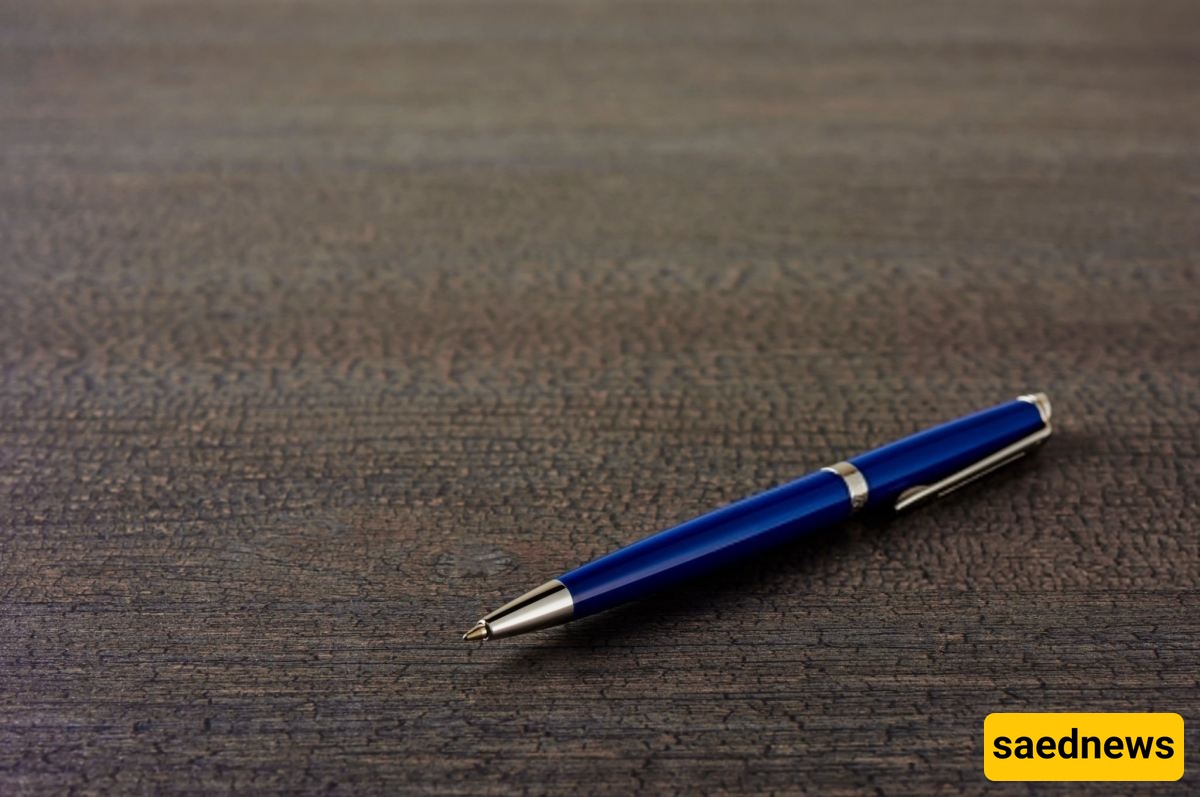
Price often reflects build quality, but the most expensive pen isn't necessarily the best choice for every writer.
Well-established manufacturers offer reliable products across different price ranges, allowing buyers to find a pen that matches both their budget and writing preferences.
The ideal pen depends entirely on how you plan to use it.
If you need a dependable pen for daily writing, school, or office work, a quality ballpoint pen is hard to beat.
If you prefer vibrant colors and an exceptionally smooth writing experience, a gel pen is an excellent option.
For professional correspondence and elegant signatures, a rollerball pen offers superior writing quality and appearance.
If you appreciate craftsmanship and enjoy the art of handwriting, investing in a fountain pen can transform the writing experience into something truly special.
Pens may seem like simple tools, but they play an important role in how we communicate, organize ideas, and express creativity.
From dependable ballpoint pens to colorful gel pens, professional rollerballs, and timeless fountain pens, each offers a unique writing experience. The best way to find your perfect pen is to try several styles and discover which one feels most natural in your hand.
Choosing the right pen isn't just about writing—it can make every note, signature, and journal entry more comfortable, efficient, and enjoyable.