SAEDNEWS: Eating fish with the bones provides a rich source of calcium and phosphorus, which can help support bone and joint health and may reduce the risk of osteoporosis.
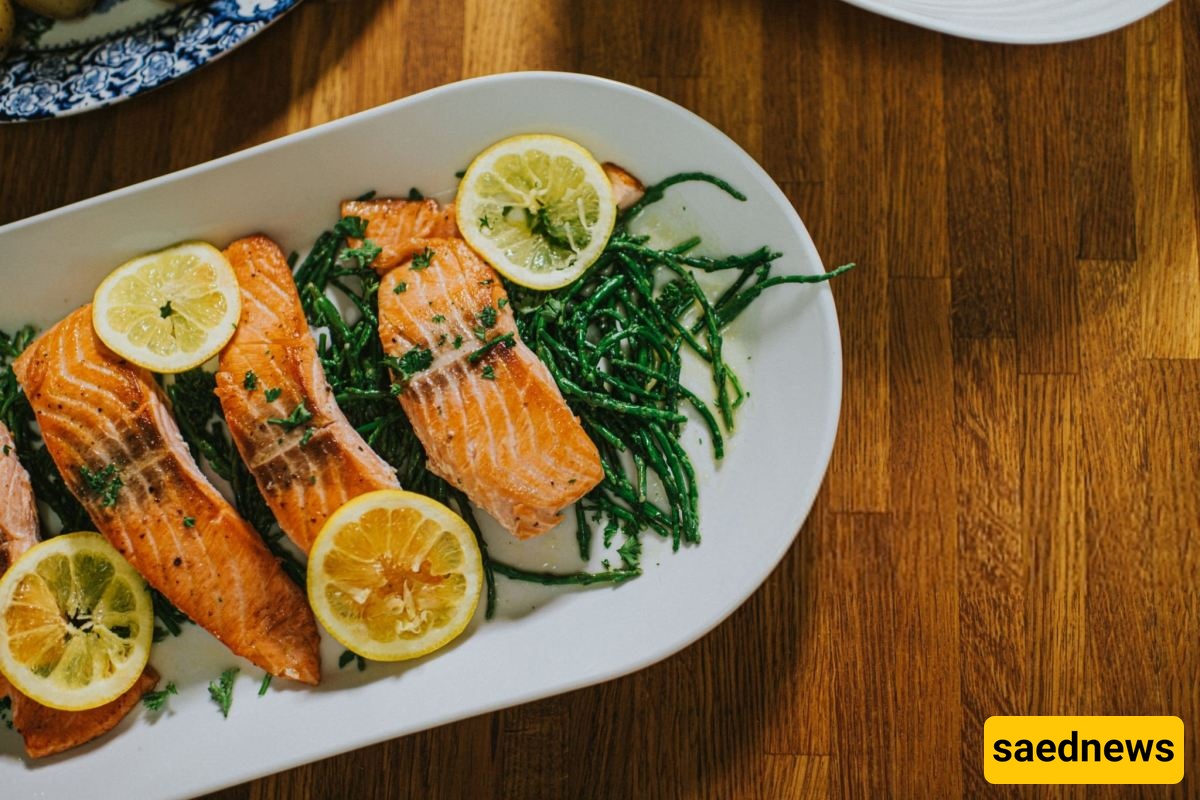
According to Saednews, You may think fish bones are simply an unpleasant obstacle that gets in the way of enjoying a meal. However, this view is quite superficial. When we examine the detailed composition of fish bone tissue, we discover that this hard structure is actually a naturally occurring, nutrient-rich food source. A large portion of fish bone weight consists of minerals, with calcium and phosphorus being the most abundant. According to data published by the USDA National Food Database, a 100-gram serving of canned sardines eaten with bones contains approximately 382 milligrams of calcium. The same amount of fish served as a boneless fillet provides only about 10 milligrams of calcium. This remarkable difference — more than 38 times higher — clearly shows that throwing away fish bones means discarding one of the richest natural marine sources of calcium.

However, the benefits do not end with calcium. Fish bones contain organic structures rich in natural collagen and connective tissues. Collagen is a structural protein that makes up around 30% of the total protein in the human body. When these small bones are fully chewed and consumed, they provide not only calcium and phosphorus but also essential amino acids required for collagen production in the body. In addition, the bone marrow inside these tiny bones contains significant amounts of healthy fats, iron, and fat-soluble vitamins. This unique combination of minerals and proteins is difficult to match through industrially produced supplements with the same natural absorption potential.
Beyond calcium and collagen, the cartilage found at the ends of fish bones contains chondroitin and glucosamine. These two compounds are widely recognized for their role in supporting joint health and are commonly used in specialized arthritis supplements. By consuming fish with bones, people can naturally obtain these valuable compounds. In today’s world, where sedentary lifestyles and highly processed diets have contributed to nutritional deficiencies, a small serving of fish with bones can help restore some of these essential nutrients.
Fish Bones: A Natural Calcium Source and Their Role in Preventing Osteoporosis
Osteoporosis is often called a silent disease because it develops gradually without obvious symptoms. It occurs when bone density decreases, making bones weaker and more vulnerable to fractures. Unfortunately, modern diets have increasingly shifted toward processed foods, high-fat dairy products, and isolated supplements, yet calcium deficiency remains common among many adults, especially those over the age of 50. Nutrition experts, including researchers at institutions such as the Harvard T.H. Chan School of Public Health, have emphasized that obtaining calcium from natural food sources can be more beneficial because foods often contain additional nutrients such as vitamin D and magnesium that support absorption.
Fish with bones can be considered a natural calcium-rich food because the calcium exists within a biological structure combined with phosphorus. This creates a calcium-to-phosphorus balance that is close to the natural composition of human bones, with an approximate ratio of 2:1. This balance plays an important role in calcium absorption. When a person consumes small fish such as sardines or sprat whole, calcium is gradually released from the bone matrix and absorbed by the digestive system. This natural process differs significantly from taking a calcium tablet, where a concentrated dose enters the stomach at once.
Health organizations generally recommend that adults consume around 1,000 to 1,200 milligrams of calcium daily, depending on age and individual needs. Including around 100 grams of bone-in fish in a weekly diet can contribute a meaningful portion of this requirement. In addition to calcium, vitamin D found in fish meat and fat helps improve calcium absorption. Vitamin D stimulates the production of calcium-binding proteins in the intestinal wall, allowing the body to use calcium more effectively. Together, vitamin D and calcium work synergistically to support bone strength. Regular consumption of this type of food may help reduce the risk of age-related bone weakness and fractures.
Joint and Skin Health: The Importance of Collagen and Cartilage in Bone-In Fish
Healthy joints are essential for maintaining an active and comfortable life. As people age, joint cartilage gradually wears down, and the body’s ability to repair it becomes weaker. This natural process can contribute to chronic discomfort in areas such as the knees, back, and hips. Consuming fish with bones may play a supportive role in maintaining joint health.
Fish bones and cartilage are naturally rich sources of glucosamine and chondroitin sulfate. These compounds are important structural components of joint cartilage. Several clinical studies have suggested that regular intake of these substances may help reduce discomfort associated with osteoarthritis and support cartilage maintenance.
The collagen found in fish bones may also contribute to healthier skin. Youthful and resilient skin depends on a strong network of collagen and elastin fibers. Adequate circulation and sufficient intake of collagen-building amino acids are important factors in maintaining skin quality. When fish bones are properly chewed, collagen peptides become available for absorption. These peptides may support the activity of skin fibroblasts, which are responsible for producing new collagen.
This is one reason why traditional diets in many cultures that include whole fish have often been associated with healthy aging. Unlike many cuts of red meat or boneless fish fillets, the bone and cartilage sections provide unique compounds that are not found in the same amounts elsewhere.
Iron, Zinc, and Selenium: Supporting Immunity and Natural Blood Formation
The human body requires a wide range of micronutrients to perform essential biological functions. Many of these nutrients are concentrated in fish tissues, particularly around the bones. Fish bone marrow contains iron, including heme iron from animal sources, which is absorbed more efficiently than plant-based iron. Eating fish with bones may help support healthy iron levels, especially among women of reproductive age.
These tissues also contain zinc, an essential mineral that acts as a cofactor for more than 100 enzymes in the body. Zinc plays a direct role in immune function, wound healing, and cognitive performance.
Another important mineral found in fish is selenium. Selenium acts as a powerful antioxidant, helping neutralize free radicals and protecting cells from oxidative damage. This protective function contributes to overall health and may support the body against chronic conditions related to inflammation and cellular stress. When combined with vitamin E from fish fats, selenium creates an effective antioxidant defense system that supports healthy aging.
Therefore, eating fish with bones is not only a nutritious meal choice but also a natural way to provide the body with multiple essential nutrients.
Best Ways to Cook and Eat Fish with Bones for Maximum Benefits
One common question is how to consume fish bones comfortably and safely. The answer depends on the type of fish and the cooking method. Small fish varieties such as sardines, sprat, anchovies, and similar species are among the best choices because their bones are naturally soft and easy to chew.
The best cooking methods for softening fish bones involve longer cooking times with moderate heat. For example, cooking fish slowly with a small amount of water, tomato paste, lemon juice, and spices in a covered pot allows the bones to become soft enough to chew easily. This traditional cooking style is common in coastal regions and provides excellent flavor.

Another convenient option is canned sardines. During the industrial canning process, the bones become extremely soft and can easily be crushed with a fork. Canned sardines are widely available and retain high nutritional value.
For people who are not comfortable chewing bones, fish can be blended into a smooth paste so that no hard pieces remain. This nutritious mixture can be enjoyed with fresh bread or other foods.
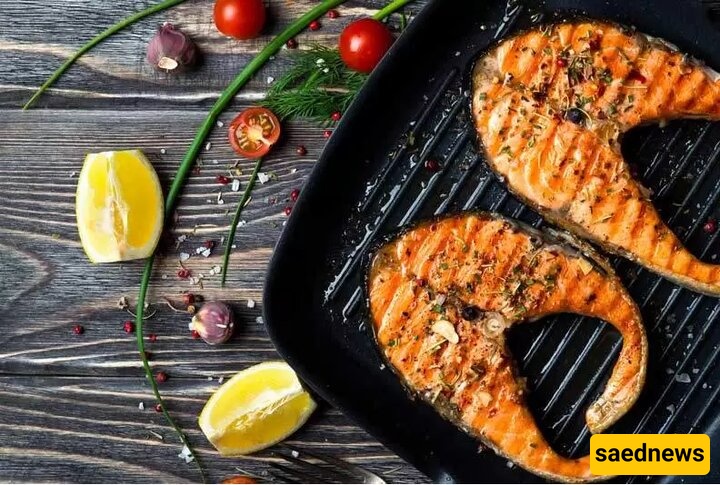
For larger fish such as trout and salmon, grilling or cooking at moderate temperatures can make smaller surface bones softer and easier to eat. However, thick and sharp bones, such as the central spine of large fish, should not be consumed raw because they may remain hard and difficult to digest.
With a little experience, it becomes easy to identify which fish bones are soft and edible and which ones should be removed. Eating fish with bones is not just a traditional habit — it can be a simple way to include naturally occurring minerals, proteins, and beneficial compounds in the diet.