SAEDNEWS: Tarts and pies are two of the world's most beloved desserts, yet they are often mistaken for one another. While they may appear similar at first glance, they differ in several important ways. This article explores the key distinctions between tarts and pies, including their crusts, preparation methods, fillings, and overall appearance.
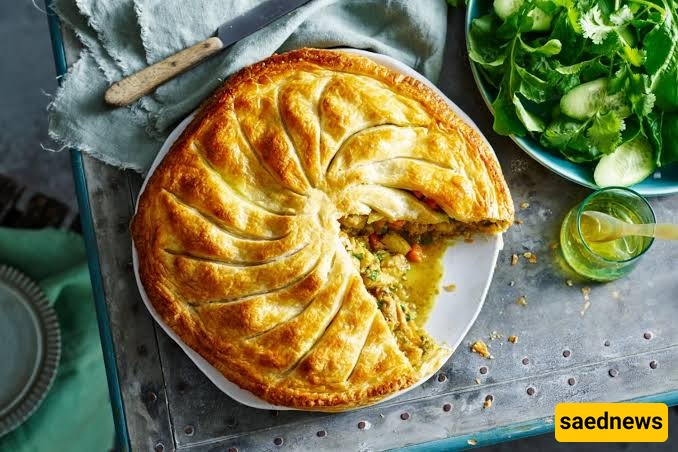
According to Saednews, Baking is one of the oldest and most beloved culinary traditions across many cultures. By combining different flavors and textures, it creates desserts that are both memorable and comforting. Among the world's most popular baked treats are tarts and pies. Although they may look similar and share some common ingredients, they have several important differences.
Both tarts and pies are delicious desserts often served at celebrations, family gatherings, and special occasions. However, many people find it difficult to tell them apart. Understanding the differences between these two classic pastries can help you choose the right dessert for any occasion.
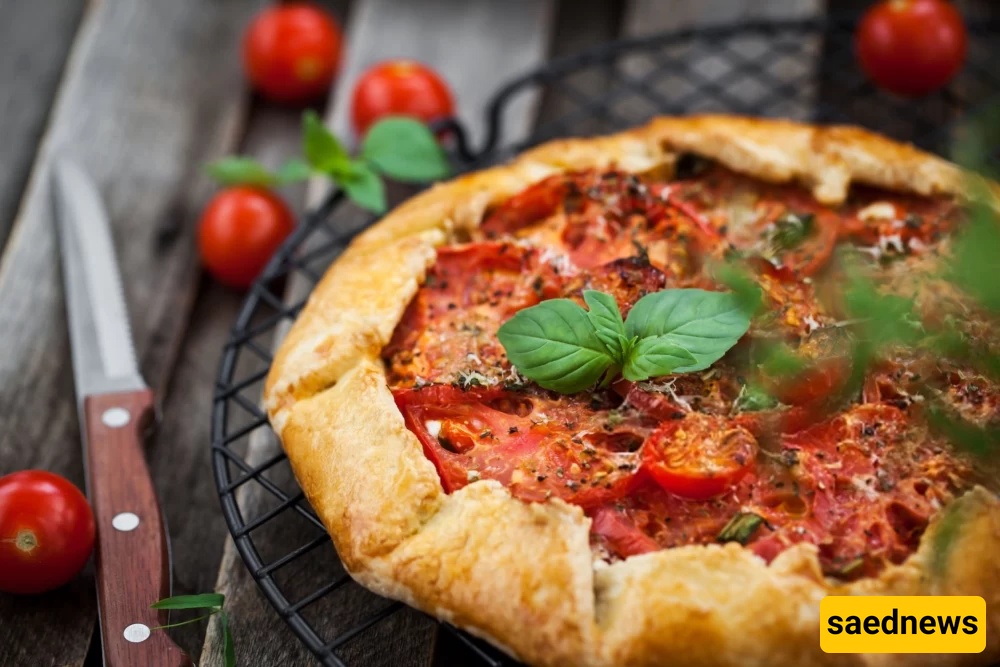
A tart is a baked dessert made with a rich, buttery pastry crust. The crust is typically crisp and crumbly, providing a firm base for a variety of fillings. Tart fillings commonly include fresh fruit, pastry cream, chocolate, custard, or other sweet ingredients.
Unlike pies, tarts are usually baked in shallow pans with fluted edges and a removable bottom. They are often left open on top, allowing the filling to remain visible and become the centerpiece of the dessert.
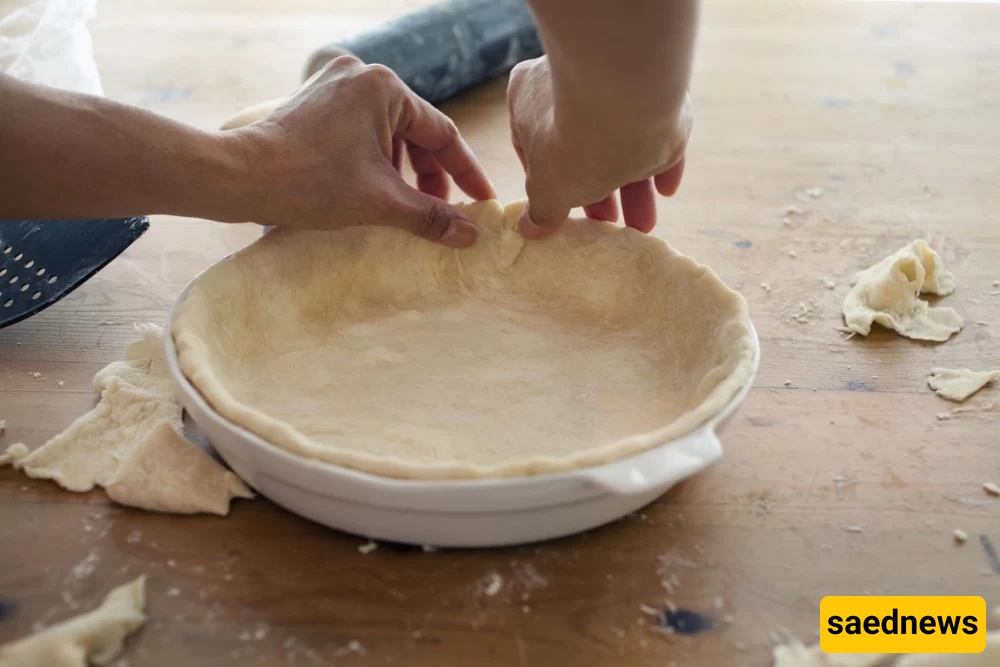
A pie is another type of baked pastry that uses a softer, more tender crust. Pies can be made in round or rectangular dishes and are often covered with a second layer of pastry. The top crust may be solid, woven into a lattice pattern, or cut with small vents to release steam during baking.
Pies are incredibly versatile and can be filled with sweet or savory ingredients, including fruit, meat, vegetables, or creamy mixtures.
The pastry crust is one of the biggest distinctions between a tart and a pie.
Tart Crust
Contains a higher proportion of butter.
Has a crisp, crumbly texture.
Is lightly handled to maintain tenderness.
Forms a sturdy shell that holds its shape after baking.
Pie Crust
Has a softer and flakier texture.
Usually contains less butter or fat than tart dough.
Is more flexible and tender.
Can be used for both the bottom and the top crust.
The baking process also differs between the two desserts.
The tart dough is pressed into a tart pan and lightly pricked with a fork to prevent air bubbles from forming during baking. The chosen filling is then added, and the tart is baked until the crust is crisp and the filling is properly set.
Pie dough is placed into a pie dish to form the bottom crust. After the filling is added, it is typically covered with another layer of dough. The top crust may be fully enclosed or vented to allow steam to escape. Because of the thicker crust and larger filling, pies generally require a longer baking time than tarts.
The filling is another important difference between these two desserts.
Tarts are most commonly filled with sweet ingredients such as:
Pastry cream
Fresh berries and seasonal fruits
Chocolate ganache
Custard
Lemon curd
These fillings are usually smooth, rich, and visually appealing.
Pies offer a much wider variety of fillings, including both sweet and savory options, such as:
Apples and warm spices
Berries
Pumpkin
Chicken or beef
Mixed vegetables
Apple pie remains one of the most famous pie varieties around the world.
Although tarts and pies share similarities, they are distinct desserts with unique characteristics. Tarts feature a buttery, crisp crust and are usually open-faced with elegant sweet fillings. Pies have a softer, flakier pastry and are often covered with a top crust, making them suitable for both sweet and savory recipes.
Knowing these differences makes it easier to appreciate each dessert's unique qualities and choose the perfect one for your next meal or celebration.