SAEDNEWS: The Chernobyl nuclear disaster was a nuclear accident that occurred on April 26, 1986, in Reactor No. 4 of the Chernobyl Nuclear Power Plant, near the city of Pripyat in the northern Ukrainian Soviet Socialist Republic of the Soviet Union.
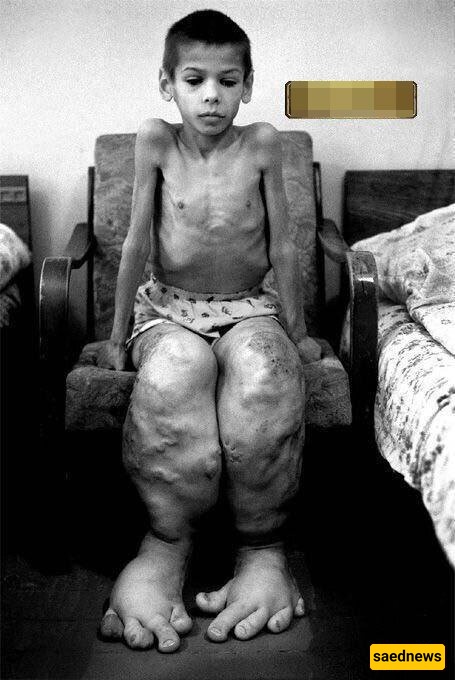
According to the Society News Service of Saed News analytical website, this catastrophe is one of the two nuclear crises classified as Level 7 (the highest level) on the International Nuclear and Radiological Event Scale. This level indicates a “major accident,” meaning that the only other event in this category is the Fukushima Daiichi nuclear disaster. It is considered one of the worst nuclear disasters in history, both in terms of cost and casualties.
This incident occurred during a safety test on an RBMK-type reactor, which was commonly used in the Soviet Union. The test simulated a total loss of electrical power. Its purpose was to help develop a safety method to maintain coolant water circulation in the event of a power outage, until backup generators could restore electricity. The gap between the power failure and the activation of backup power was about one minute. This sixty-second interval was considered a potential safety risk that could lead to overheating of the reactor core. Three such tests had been conducted since 1982, but none had produced a successful solution. In this fourth attempt, the test was delayed for 10 hours, meaning that the trained operational shift was not present. As a result, the test supervisor failed to follow the procedural instructions, creating unstable operating conditions which, combined with inherent design flaws in the RBMK reactor and the disabling of several emergency safety systems, led to an uncontrolled chain reaction.

A large amount of energy was suddenly released, causing the coolant water—already severely overheated—to instantly vaporize. This resulted in a destructive steam explosion that completely destroyed the reactor pressure vessel. The event was immediately followed by a graphite fire in the reactor core, which released significant amounts of radioactive airborne contaminants over a period of about nine days. These contaminants spread across parts of the Soviet Union and Western Europe before the situation was finally brought under control on May 4, 1986.