SAEDNEWS: Myrtus communis, commonly known as myrtle, is an evergreen, highly attractive, and generally heat-loving shrub. It is native to Europe and North Africa and is also found in tropical regions of Iran as well as in Mediterranean areas.
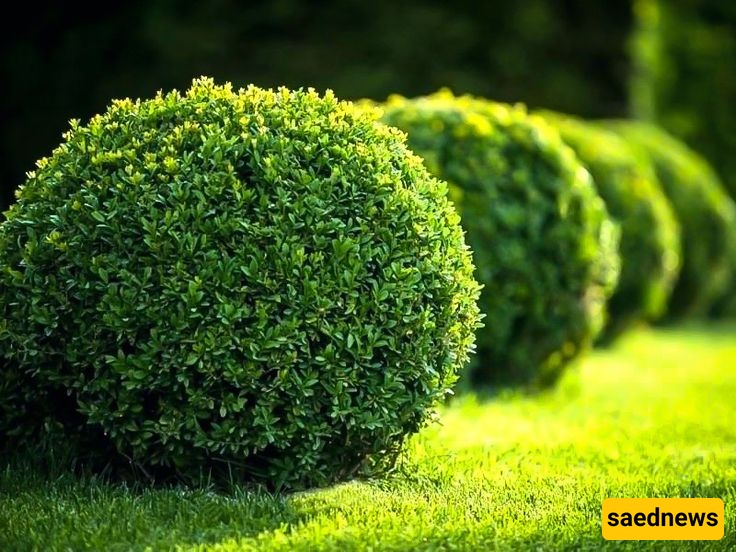
According to Saednews, Myrtus communis (myrtle) is an evergreen, highly attractive, and generally warm-climate-loving shrub native to Europe and North Africa. It is also found in tropical regions of Iran and Mediterranean areas.
Since ancient times, myrtle has been valued and used by various peoples, including Iranians, Greeks, and Romans, and it has held a sacred status. For this reason, it was often planted near shrines and religious temples. Its sacredness may be linked to its evergreen nature, beauty, and pleasant fragrance.
In addition to its visual appeal, myrtle is also important for landscape beautification and ecological restoration. Its evergreen and non-deciduous nature in ancient beliefs symbolized immortality.
In Roman mythology, myrtle was associated with Venus (goddess of love and beauty) and Jupiter (king of the Roman gods). In Zoroastrianism, it symbolizes Ahura Mazda. In Judaism, it is one of the four plants used in preparing the “Lulav” for the Sukkot festival, which commemorates the exodus of the Israelites from Egypt.
Avicenna (Ibn Sina) mentioned this plant in The Canon of Medicine as an anti-infective herb.
Myrtle requires full sunlight and fertile, well-drained soil. It is semi-tolerant to cold and can withstand temperatures down to about –5°C. In colder regions, it should be planted on the southern or western side of a wall for protection.
It tolerates hot and dry conditions. The plant naturally grows in forests, barren lands with scattered shrubs, among olive trees, and on sparsely wooded mountain slopes.
Myrtle is an ornamental shrub due to its numerous and attractive flowers. It typically grows between 1 to 5 meters in height and takes 10 to 20 years to reach its full size.
Its branches are dense with closely arranged leaves. The leaves are lance-shaped, without petioles, and 3–5 cm long.
The plant produces star-shaped flowers, each with five petals, sepals, and numerous stamens. The flowers are white and bisexual (containing both male and female organs). It is self-fertile, and pollination is mainly carried out by bees.
The fruit is berry-like, containing seeds. It is usually bluish-black, though occasionally amber-yellow berries are seen. The fruit is edible and can be consumed raw or cooked. It can also be dried and used as a flavoring in food. The flowers have a sweet aroma and are sometimes used in salads.
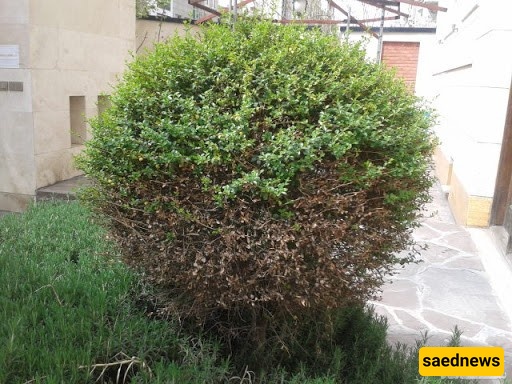
The most suitable method is propagation by softwood cuttings. Cuttings taken from semi-hardened branches are placed in a greenhouse, and auxin hormones are applied to promote root formation until the plant is ready for transplanting.
Propagation can also be done through seeds. For faster germination, the seed coat should be removed before planting. The best planting time is autumn, at an optimal temperature of 15–20°C.
Myrtle requires full sun and does not grow well in shade. Suitable soil types include sandy, loamy, and well-drained moist soils.
It should be protected from cold and dry winds. The ideal temperature range is between 16°C and 34°C. Good flowering requires experiencing a warm summer season.
The plant is suitable for hedges due to its dense, prunable branches and is commonly used as an ornamental shrub in borders and lawns.
Myrtle has several traditional medicinal uses:
Topical treatment for cold sores
Antiseptic and anti-inflammatory for nasal mucosa
Decongestant, astringent, tonic, disinfectant, and anti-parasitic properties
Helps heal wounds when applied externally
Used for digestive and urinary tract disorders when taken orally
Helps in respiratory conditions such as sinusitis and dry cough
Used externally for acne, hemorrhoids, gum infections, and psoriasis
In traditional medicine, it was referred to as “As” or “Amar,” meaning pleasant and fragrant. It was believed to have astringent, anti-diarrheal, and hair-growth-promoting effects.
A decoction of its leaves was used as a gargle and mouthwash for aphthous ulcers. Its essential oil was also believed to be uplifting and beneficial for heart health.