SAEDNEWS: Proper storage can slow avocado ripening and help prevent cut or whole avocados from spoiling too quickly.
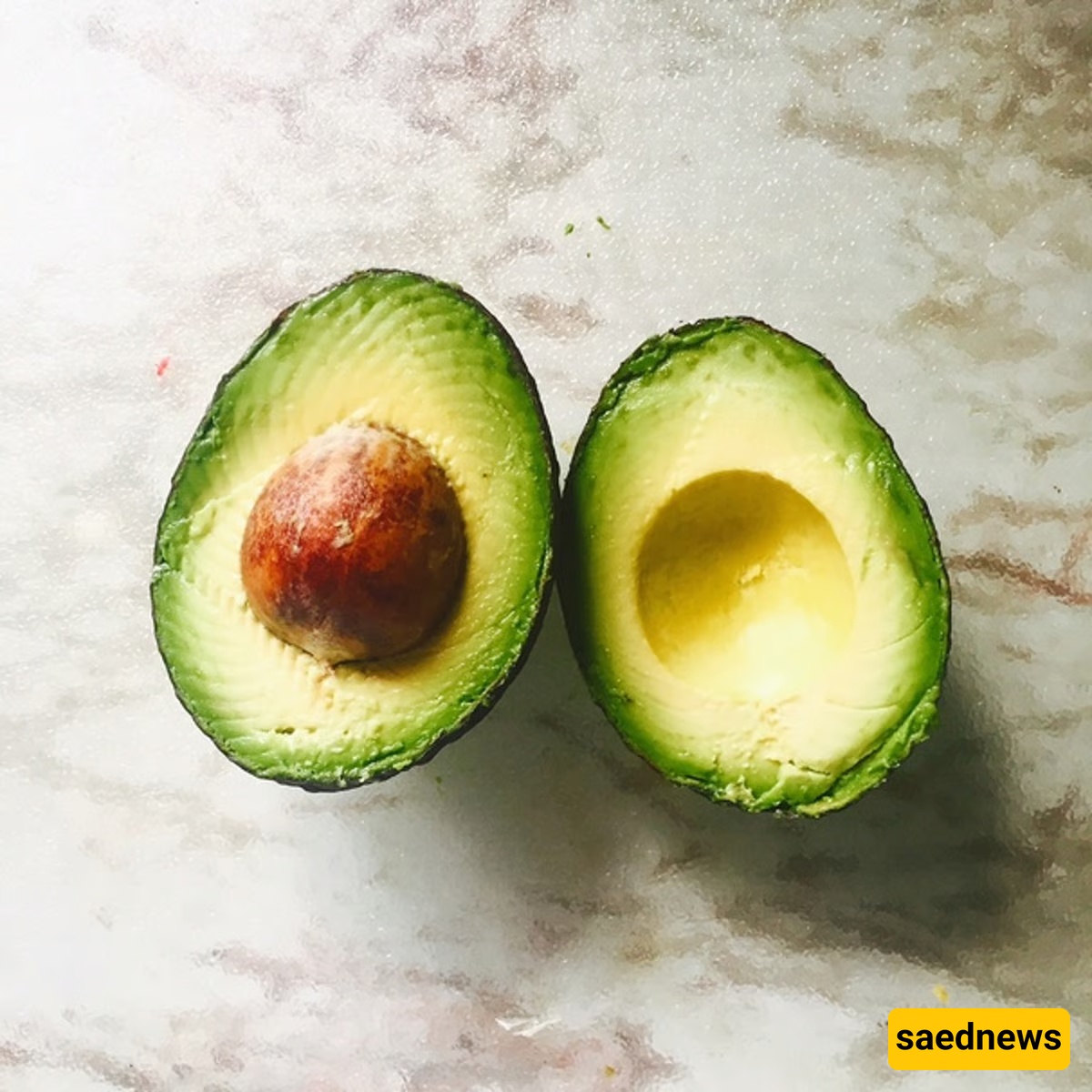
According to SAEDNEWS, avocados can go from firm to overripe in a short time, especially when kept at room temperature after reaching maturity. The best storage method depends on whether the avocado is whole, cut, or already ripe.
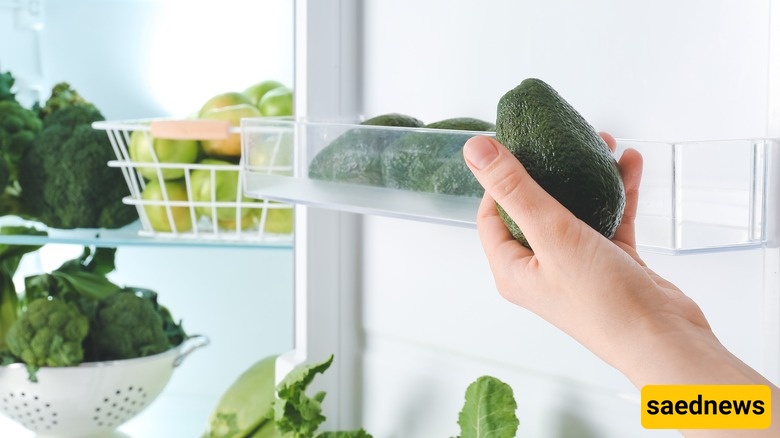
If an avocado is still firm and needs more time to ripen, keep it at room temperature away from direct sunlight and heat. Once it becomes ripe, moving it to the refrigerator can slow further ripening and extend its usable life.
Avoid storing ripe avocados in warm areas such as near a stove or in direct sunlight. Excess heat can speed up softening and quality loss.
Once an avocado has been cut, its exposed flesh can quickly turn brown because of contact with oxygen. To reduce this discoloration:
Limit air exposure. Press food-safe plastic wrap directly against the exposed flesh or place the avocado in a tightly sealed container.
Refrigerate promptly. Keep cut avocado in the refrigerator rather than leaving it at room temperature.
Use the remaining portion soon. Even with proper storage, cut avocado generally has a shorter storage life than a whole one.
The brown surface is mainly an appearance and quality issue caused by oxidation. If the avocado develops an unpleasant smell, unusual texture, visible mold, or other clear signs of spoilage, it should be discarded.
• Buy avocados at different stages of ripeness if you do not plan to eat them immediately.
• Check ripe avocados regularly so they can be used before becoming excessively soft.
• Keep ripe whole avocados refrigerated until you are ready to use them.
• Store cut pieces in an airtight container with minimal exposed surface area.
• Avoid repeatedly moving avocados between very warm and cool conditions.
With a simple combination of timely refrigeration, reduced air exposure, and regular checks for ripeness, avocados can stay in good condition longer without unnecessary waste.