SAEDNEWS: Avocado masks are highly moisturizing and nourishing thanks to their natural oils and unsaturated fatty acids. This mask offers numerous benefits for the hair, helping improve its beauty, shine, hydration, and overall appearance.
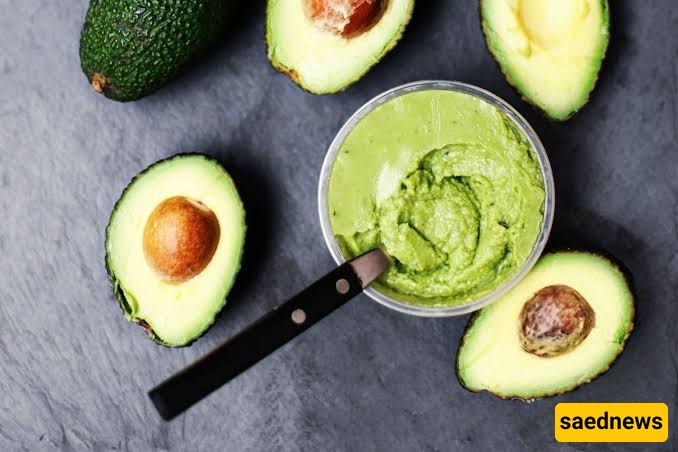
According to Saednews, Avocados are rich in natural oils and unsaturated fatty acids, making them highly moisturizing and nourishing. Although these oils can benefit all hair types, they are especially helpful for dry hair.
Avocados also contain vitamins that can nourish the scalp and help improve the appearance, shine, and hydration of the hair. You may have heard that biotin can support healthy hair and nail growth.
The minerals found in avocado oil, including potassium and magnesium, may help seal the hair cuticle, leaving hair smoother and shinier while reducing breakage.
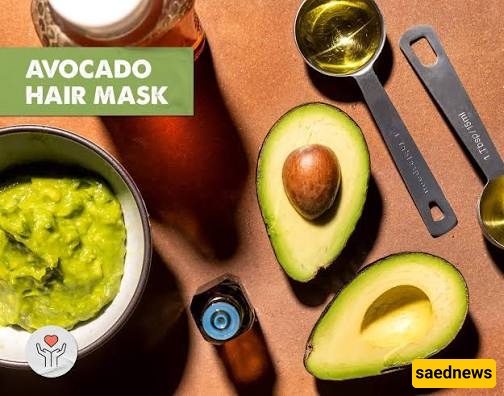
Mash 1 avocado in a bowl and mix it with 2–3 tablespoons of coconut oil. Coconut oil can penetrate the hair shaft and may help protect hair from damage.
Mash an avocado and mix it with olive oil and lemon juice. Apply the mixture to either damp or dry hair, working from the roots to the ends.
Lemon has antifungal properties and may help reduce excess oil and dandruff. However, if it is not rinsed out properly, lemon juice can temporarily lighten the hair. Olive oil also has conditioning properties that can help soften the hair.
Mash ½ an avocado and combine it with 1 egg and 1 teaspoon of olive oil. Apply the mixture to your hair.
This mask can provide moisture while helping strengthen the hair and protect it from heat-related damage.
Mash 1 ripe avocado and mix it with 2 tablespoons of aloe vera gel and 1 teaspoon of coconut oil. If you have very long or thick hair, you can add a little more coconut oil.
This mask has soothing and anti-inflammatory properties that may help calm the scalp.
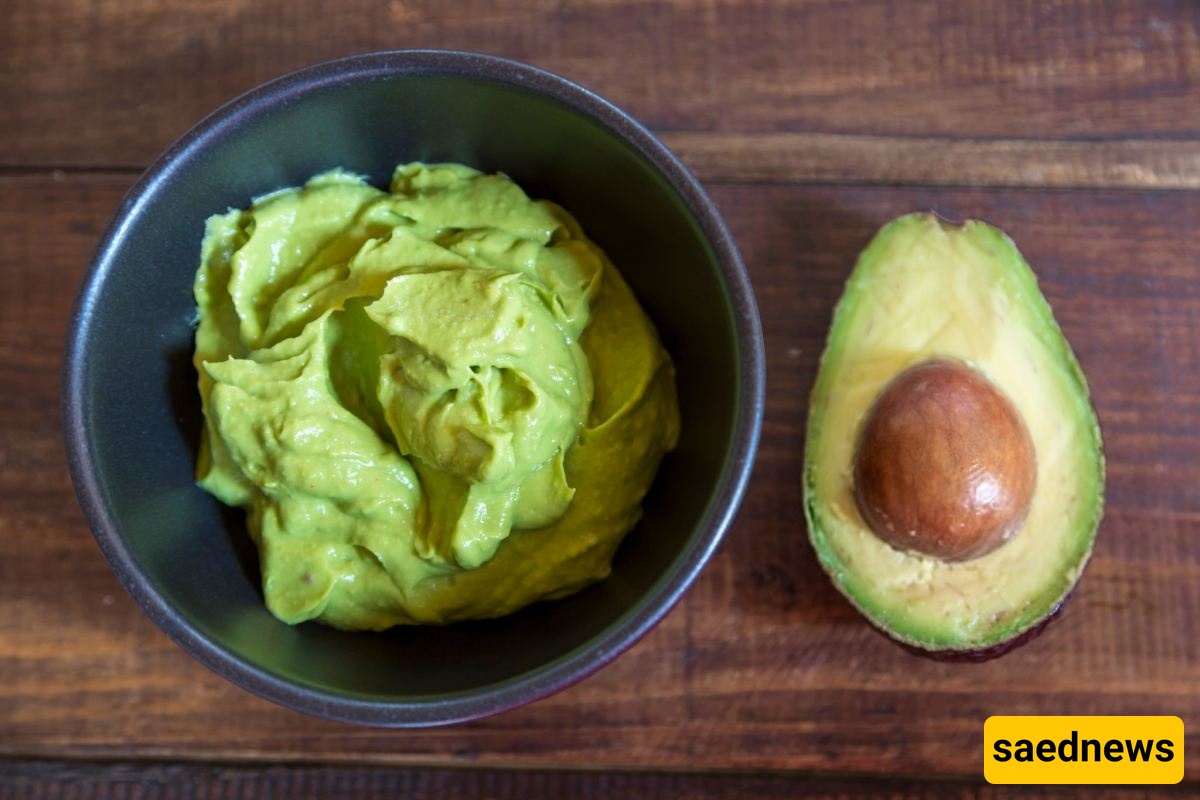
This combination can help smooth the hair and enhance its natural shine.
Mash 1 ripe banana and ½ an avocado, mix them thoroughly, and apply the mask to damp hair from the roots to the ends.
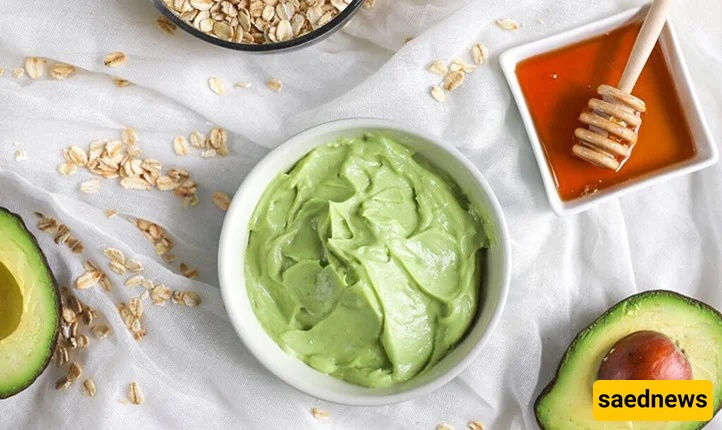
Mix 1 cup of yogurt, ½ a ripe avocado, 2 tablespoons of honey, and 1 tablespoon of olive oil until you have a smooth paste.
Apply it to damp hair. Although honey can feel sticky, it has conditioning properties. This mask can help soften the hair and may also help reduce dandruff.
For the best results, apply avocado-based hair masks to dry hair. Because these masks contain oils, wet hair may repel some of the oil rather than allowing it to coat the strands effectively.
Leave the mask on for 20–30 minutes, then rinse thoroughly. Follow with shampoo. If your hair still feels oily, shampoo it again until all traces of the mask are removed.
If you have never eaten avocado before and want to use it in a hair mask, consider doing a small skin patch test first. Apply a small amount of avocado to a small area of skin and wait about 20 minutes. If you notice signs of an allergic reaction, such as redness, itching, or a rash, avoid using the mask.
Potential Benefits of Avocado Seeds for Skin and Hair
Avocado seeds contain various antioxidant and plant compounds that have been investigated for potential health and cosmetic benefits. However, many of the claims surrounding avocado seeds are based on preliminary or laboratory research, and more human research is needed before they can be considered established benefits.
Collagen plays an important role in maintaining firm, youthful-looking skin. Antioxidant compounds found in avocado seeds have been studied for their potential effects on oxidative stress and skin health.
The compounds in avocado seeds have also been investigated for antioxidant and anti-inflammatory activity. These properties may potentially support scalp and hair health, although strong clinical evidence for using avocado seeds directly on the hair or scalp is limited.
Some claims suggest that avocado seeds can support thyroid function or help with hypothyroidism. There is currently insufficient clinical evidence to support using avocado seeds as a treatment for thyroid disorders. Anyone with a thyroid condition should follow medically established treatment rather than relying on avocado seeds.
Avocado seeds contain fiber and various plant compounds. Preliminary research has explored their potential effects on cholesterol and cardiovascular health, but evidence from human studies is not sufficient to establish avocado seeds as a treatment or preventive measure for heart disease.
The fiber and antioxidant compounds found in avocado seeds have been studied for their potential effects on digestion and intestinal health. However, claims that avocado seeds can treat diarrhea, gastritis, colitis, or stomach ulcers have not been adequately established in humans.
Avocado seeds contain phenolic compounds and flavonoids with antioxidant activity. Laboratory research suggests these compounds may help combat oxidative stress and inflammation, but this does not necessarily mean that consuming avocado seeds provides the same effects in humans.
Some laboratory and animal studies have investigated compounds from avocado seeds for potential anticancer activity. However, there is no reliable evidence that eating avocado seeds prevents or treats cancer in humans. These findings should not be interpreted as a cancer treatment.
Avocado seeds contain various nutrients and plant compounds, but claims that they significantly increase physical energy or reduce stress have not been firmly demonstrated through clinical research.
The fiber found in avocado seeds may theoretically influence digestion, fullness, and blood sugar regulation. However, there is not enough human evidence to recommend avocado seeds as a method for controlling blood sugar, preventing overeating, or managing weight.
The antioxidants in avocado seeds have been investigated for their ability to counter oxidative stress, which is associated with skin aging. Nevertheless, claims that avocado seeds prevent wrinkles or increase collagen production in humans require further research.
Phenolic compounds from avocado seeds have demonstrated biological activity in laboratory studies, but evidence that consuming avocado seeds significantly strengthens the human immune system remains limited.
Important note: Unlike avocado flesh, avocado seeds are not a well-established food ingredient, and their safety and nutritional benefits in humans have not been adequately established. The avocado flesh itself is a better-supported source of healthy fats, fiber, vitamins, and minerals.
Avocado is a versatile ingredient for homemade hair treatments, particularly for dry, rough, or dull hair. Combining avocado with ingredients such as coconut oil, olive oil, aloe vera, banana, yogurt, or honey can create simple conditioning masks that leave hair feeling softer and more moisturized.
For avocado seeds, however, many popular health claims go beyond the available scientific evidence. More human research is needed to determine their safety and potential benefits.