SAEDNEWS: Bloating is common during pregnancy and may be eased by smaller meals, adequate fluids, and foods that are easier to digest.

According to SAEDNEWS, bloating can become more noticeable during pregnancy as hormonal changes slow digestion and the growing uterus gradually puts more pressure on the digestive tract. Gas, abdominal fullness, and discomfort may occur even when a pregnant woman is eating normally. While bloating is usually not dangerous, choosing meals carefully can make everyday discomfort easier to manage.
Rather than eliminating large groups of foods, pregnant women can pay attention to which foods appear to worsen their symptoms and build meals around nutritious options. Helpful choices may include:
Oatmeal and other whole grains that are well tolerated
Bananas and other fruits that do not trigger symptoms
Cooked vegetables when raw vegetables cause more discomfort
Plain yogurt made with pasteurized milk, if tolerated
Eggs and other suitable protein sources
Soups and other meals with a high water content
Plenty of water throughout the day
Fiber remains an important part of a healthy pregnancy diet because it supports normal bowel function. However, suddenly increasing fiber intake can sometimes increase gas and bloating. A gradual increase, together with adequate fluid intake, may be more comfortable.
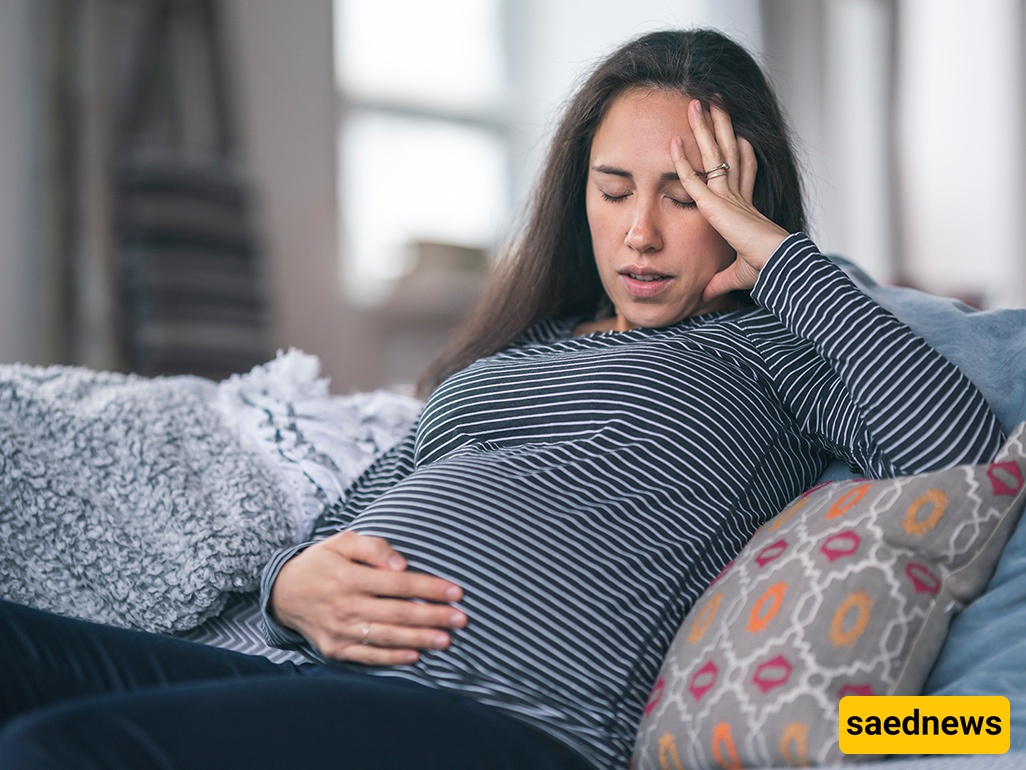
The way food is eaten may influence digestive comfort. Large meals can make fullness and bloating more noticeable, so smaller meals spread throughout the day may be easier to tolerate. Eating slowly and chewing food thoroughly can also help reduce the amount of air swallowed during meals.
Some people notice more bloating after carbonated drinks or particular foods such as beans, cabbage, onions, or other gas-producing foods. These foods do not need to be avoided automatically during pregnancy, but reducing a personal trigger may help if a clear connection is noticed. Keeping meals balanced is more important than unnecessarily restricting the diet.
A practical routine can include three main meals with smaller snacks when needed, while maintaining regular water intake. Choosing cooked vegetables, moderate portions of fiber-rich foods, and foods that are personally well tolerated can help create a more comfortable eating pattern without sacrificing nutritional variety.
Persistent or severe abdominal pain should not simply be attributed to ordinary pregnancy bloating. A pregnant woman should seek medical advice if bloating occurs with severe pain, repeated vomiting, fever, bleeding, or other concerning symptoms, or if digestive symptoms become unusually intense or persistent.