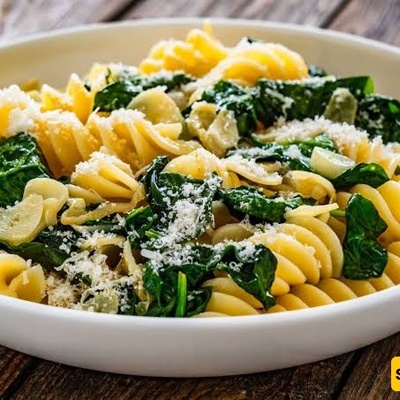
SAEDNEWS: Balanced homemade meals and snacks that combine protein, fiber, healthy fats, and nutrient-rich carbohydrates can help children stay satisfied between meals.

According to SAEDNEWS, children who seem to get hungry frequently may benefit from meals and snacks that provide a combination of different nutrients rather than relying mainly on refined carbohydrates or sugary foods. Appetite naturally varies with age, activity level, growth, and meal patterns, so the goal is to offer nutritious food regularly while allowing children to respond to their own hunger and fullness cues.
Several simple foods can be included in a child's daily meals:
Eggs with whole-grain bread: Eggs provide protein, while whole-grain bread adds carbohydrates and fiber.
Plain yogurt with fruit and oats: This combination provides protein, carbohydrates, and fiber in a convenient snack.
Lentil soup with vegetables: Lentils provide plant-based protein and fiber, while vegetables add vitamins and minerals.
Chicken and vegetable rice: A balanced homemade meal can combine cooked chicken, rice, and a variety of vegetables.
Hummus with whole-grain bread and vegetables: Chickpeas provide protein and fiber, making this a filling option for a snack or light meal.
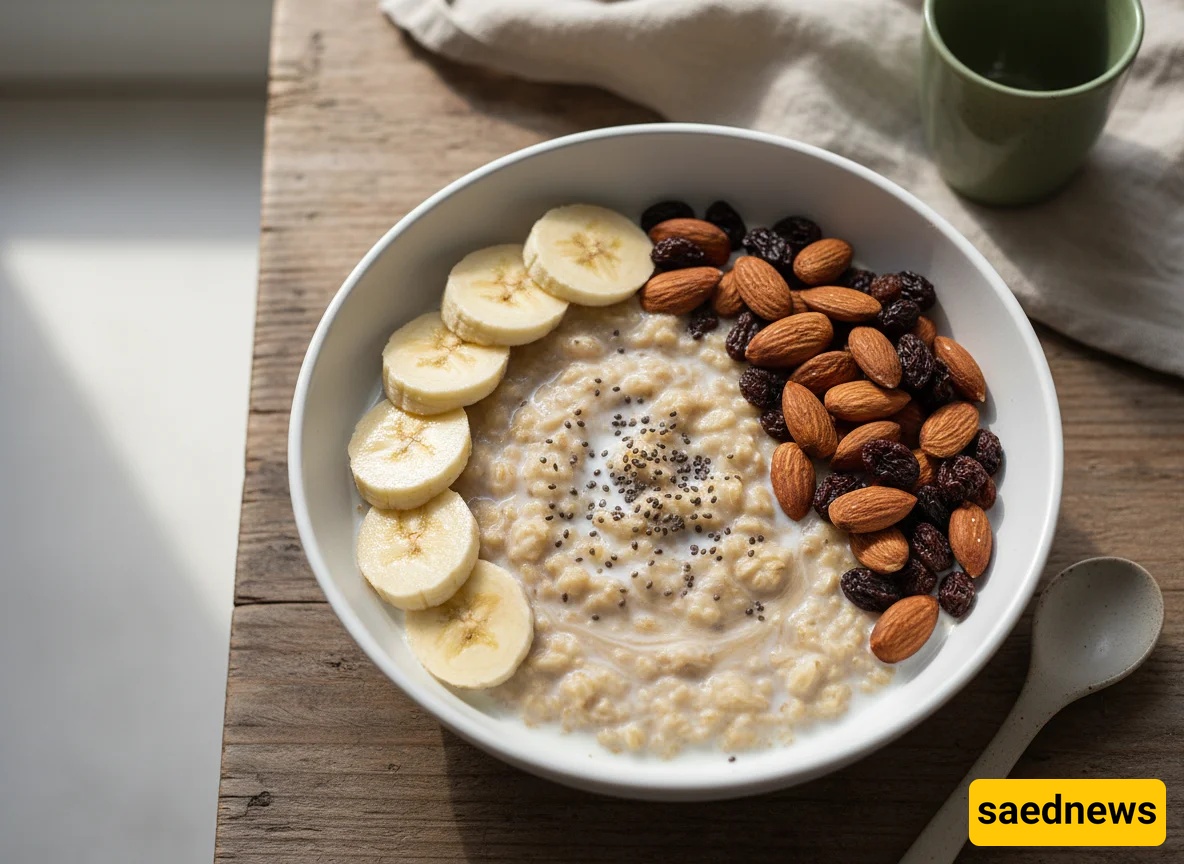
Oatmeal with milk, fruit, and nuts or seeds: Oats provide fiber, while milk and nuts or seeds can add protein and healthy fats. Nuts and seeds should only be offered in an age-appropriate form to reduce choking risks.
A useful approach is to combine several food groups rather than serving a single type of food. For example, a child's breakfast could include an egg, whole-grain bread, and fruit. Lunch might combine chicken or lentils with rice and vegetables, while an afternoon snack could include yogurt and fruit.
Fiber-rich foods such as whole grains, beans, lentils, fruits, and vegetables can contribute to a more satisfying eating pattern. Protein-rich foods and sources of unsaturated fats can also be part of balanced meals. Portion sizes should remain appropriate for the child's age and appetite rather than being based on adult portions.
Regular meals and planned snacks can make eating patterns more predictable. If a child asks for food soon after a meal, parents can first consider whether the previous meal contained enough variety and whether the child may simply be experiencing normal hunger.
It is generally more useful to offer nutritious choices than to use food as a reward or pressure a child to finish a specific amount. Children can be encouraged to eat slowly and recognize when they feel comfortably full.
If a child has a persistent or unusually strong appetite accompanied by excessive thirst, frequent urination, unexplained weight changes, poor growth, fatigue, or other concerning symptoms, parents should discuss the situation with a pediatrician. A healthcare professional can determine whether the child's eating pattern is simply part of normal growth or needs further evaluation.