SAEDNEWS: A pale stew is not always caused by too little tomato paste. Cooking temperature, browning, and the way the paste is prepared can all affect the final color.
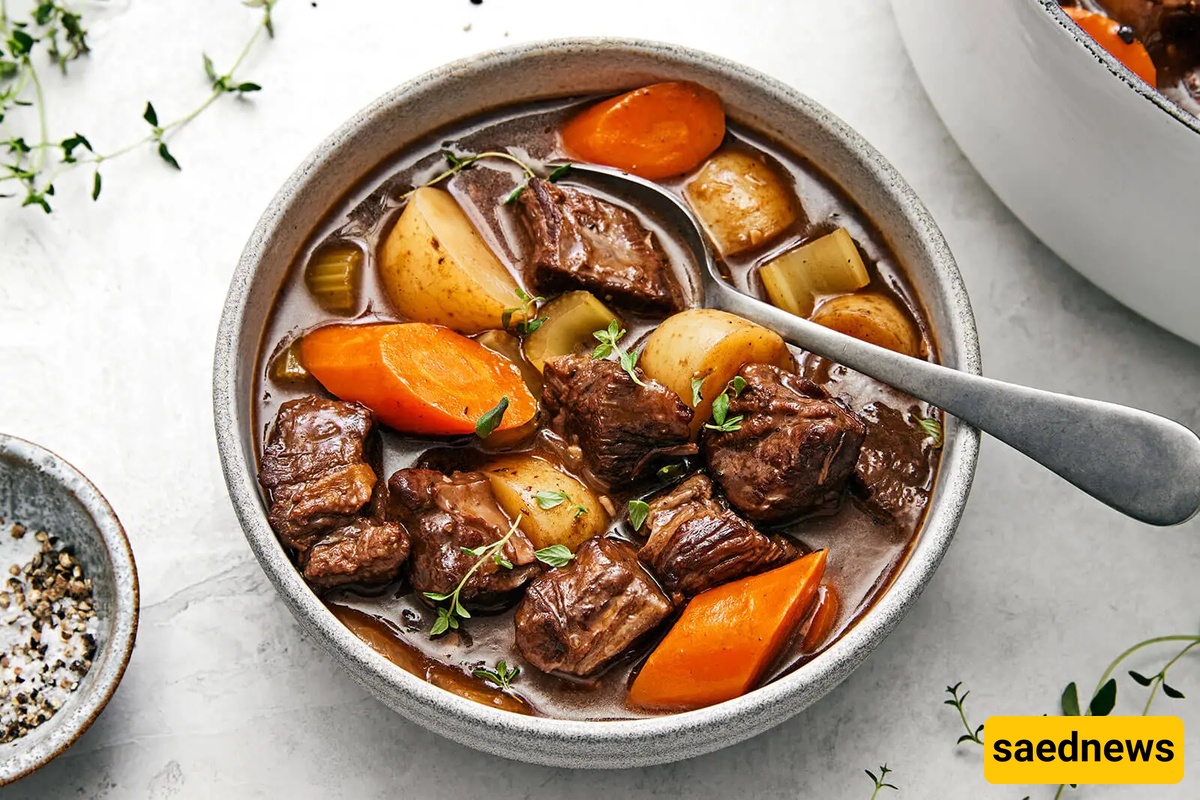
According to SAEDNEWS, the color of a stew depends on more than the amount of tomato paste added to the pot. If a stew looks pale or dull, the problem may come from how the ingredients were cooked before the liquid was added. Understanding these small details can make the final dish look richer without simply adding more paste.
Tomato paste develops a deeper color and fuller flavor when it is briefly cooked in oil before the main liquid is added. Adding it directly to a watery mixture can leave its color less pronounced. However, using too much paste is not necessarily the solution, because excessive amounts can make the stew taste overly concentrated or slightly harsh.
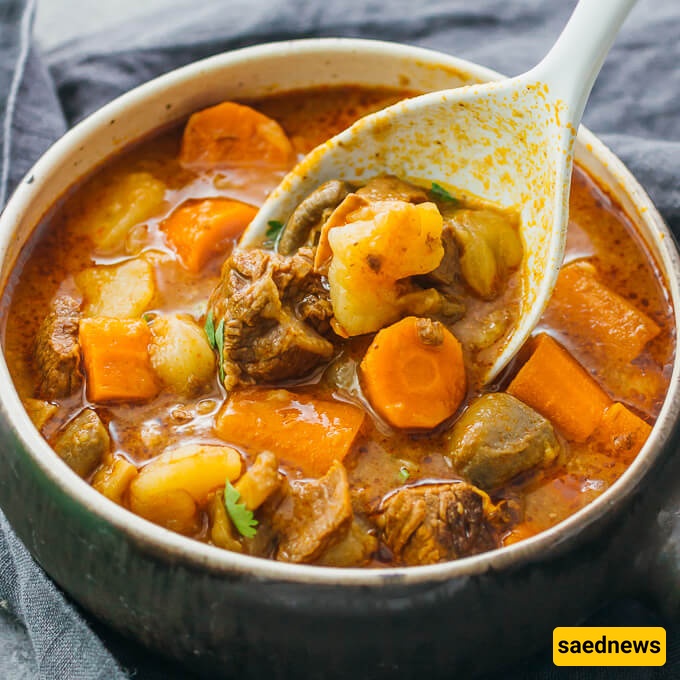
The ingredients that form the foundation of a stew also influence its appearance. Onions, for example, can become more golden when cooked patiently over moderate heat. Meat or vegetables that are suitable for browning can also develop a darker surface, giving the finished stew a more appetizing appearance.
A few details make a noticeable difference:
Cook onions until they are properly softened and lightly golden.
Add tomato paste before adding a large amount of liquid.
Stir the paste with the cooking ingredients for a short time.
Avoid adding so much water that the stew becomes excessively diluted.
A stew that is cooked with too much liquid from the beginning may remain lighter in color. As it cooks, some of the excess water evaporates and the flavors become more concentrated. Gentle cooking also allows the ingredients to develop their characteristic color without burning the base.
If the stew is already cooking and looks too pale, adding more paste immediately may not be the best first step. Allowing it to cook and reduce appropriately may improve its appearance and consistency.
The best-looking stew usually comes from several small choices working together rather than from one secret ingredient. Properly cooked onions, briefly heated tomato paste, controlled liquid, and sufficient cooking time can create a deeper, more appealing color.
So, if your stew does not have the rich color you expected, look at the cooking process before blaming the tomato paste.