SAEDNEWS: Discover the best spices for bamieh stew, the ideal seasonings, and the right time to add them. Learn how to enhance the flavor of this classic Persian dish with simple seasoning techniques.
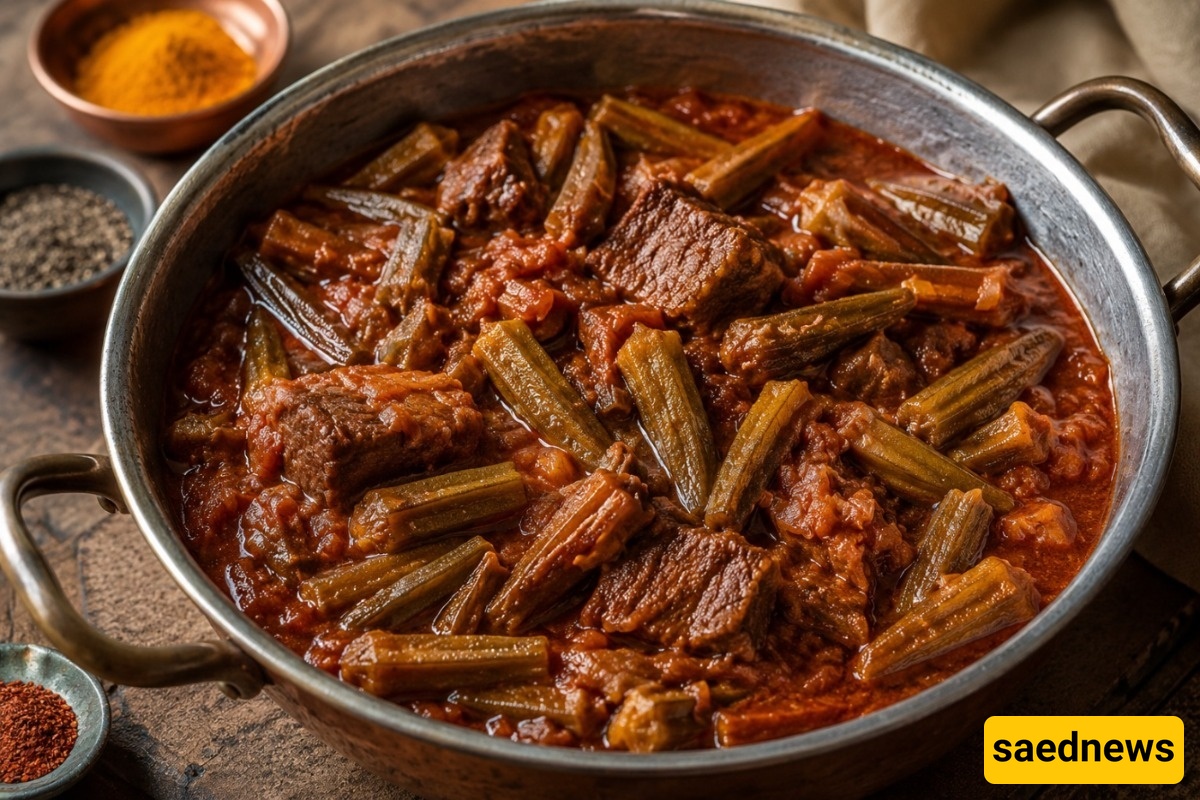
According to Saednews, Bamieh stew, known as Khoresh Bamieh, is one of Iran’s beloved dishes, appreciated for its pleasant aroma and rich flavor. It is prepared in different ways across Iran, including versions made with beef or lamb, chicken, split peas, ground meat, tamarind, and the spicy southern-style variation.
Although Bamieh stew is commonly prepared with meat, it can also be made without meat, making it a suitable option for vegetarians and people who avoid meat. Choosing the right spices and seasonings can make a significant difference in the flavor of the dish.
When preparing a flavorful Bamieh stew, spices play an important role. Different combinations can add depth and balance to the dish.
Cumin: Cumin is widely used in Iranian cuisine. Its warm, slightly sweet aroma adds character to the stew and helps balance other flavors.
Fennel: Aromatic spices such as fennel can enhance the fragrance and overall taste of Bamieh stew.
Cinnamon: With its warm and slightly sweet aroma, cinnamon can add richness and complexity to the stew.
Turmeric: Turmeric is commonly used in Bamieh stew, including the traditional Isfahan-style preparation. It gives the dish a beautiful color while adding flavor.
Black pepper: Black pepper provides mild heat and helps create a balanced flavor. The amount can be adjusted according to personal preference.
You can also experiment with ground coriander, curry powder, ginger, paprika, or green cardamom, depending on the style of stew and your taste.
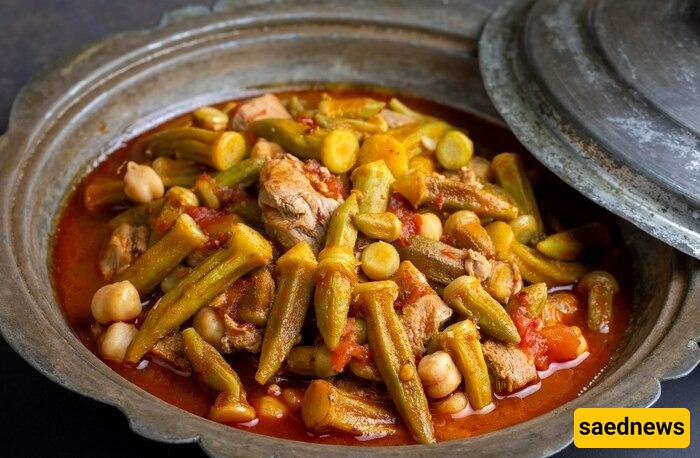
Turmeric and black pepper are best added while sautéing the onion and meat. Cook the spices for about one minute so their aromas are released and the raw flavor of the turmeric disappears.
More aromatic spices, such as cinnamon, cumin, and ginger, are better added after the meat has been sautéed and just before adding the water or stock. Sauté them briefly for only a few seconds.
Salt is best adjusted during the middle or toward the end of cooking so that the final flavor remains balanced.
A few techniques can help produce a rich, thick, and flavorful stew:
Be careful with the amount of water. Too much liquid can make the stew thin and dilute its flavor.
For extra richness, you can use meat stock or bone broth.
Add a diced potato along with the okra to increase the stew’s thickness and flavor.
Using meat with bones can give the stew a more velvety texture because gelatin released from the bones during cooking helps thicken the sauce.
Sauté the tomato paste thoroughly. This develops its flavor and releases its natural pigments, giving the stew a deeper color and richer consistency.
Southern Iranian Bamieh stew is generally more heavily spiced and has a noticeably hotter flavor. Turmeric, black pepper, and red pepper are the main seasonings. Depending on the recipe, a small amount of cumin or ginger may also be added.
In Ahvaz and Khuzestan-style preparations, sour ingredients are particularly popular. Tamarind can be combined with the spices to give the stew a distinctive sour, spicy, and distinctly southern character.
For chicken-based Bamieh stew, turmeric and black pepper provide an excellent base. For additional aroma and mild heat, you can add small amounts of paprika, red pepper, or ginger.
Avoid using too many strong spices, however, so that the natural flavors of the chicken and okra remain noticeable.
For the meat version, turmeric and black pepper are the primary spices. For extra fragrance, you can add a small amount of cumin, cinnamon, or ginger.
Use these aromatic spices sparingly so that they do not overpower the flavor of the meat and okra.
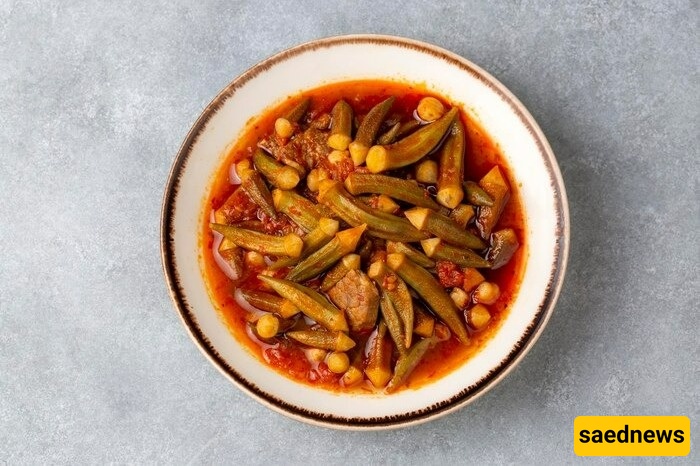
Bamieh stew is usually even more delicious with a pleasant sour element. Suitable choices include:
Verjuice (abghooreh)
Fresh or frozen sour grapes (ghooreh)
Lemon juice
Tamarind
Verjuice and sour grapes provide a more pronounced sour flavor, while lemon juice is a good choice for those who prefer a milder acidity. Tamarind creates a distinctive sour flavor and is especially common in some southern Iranian versions.
If using sour grapes, add them during the second half of cooking so they have enough time to flavor the stew without becoming completely soft and mushy.
Lemon juice, verjuice, or tamarind extract should preferably be added gradually toward the end of cooking. Taste the stew after each addition and adjust the amount according to your preference.
Depending on your taste, bitter orange juice (ab-narenj) or dried Persian lime (limoo amani) can also be used as alternatives, particularly in meat-based Bamieh stew.