SAEDNEWS: Freeze fresh bell peppers without worrying about the pieces sticking together. In this article, you’ll learn the proper way to freeze bell peppers so you can enjoy this colorful and nutritious vegetable throughout the year.
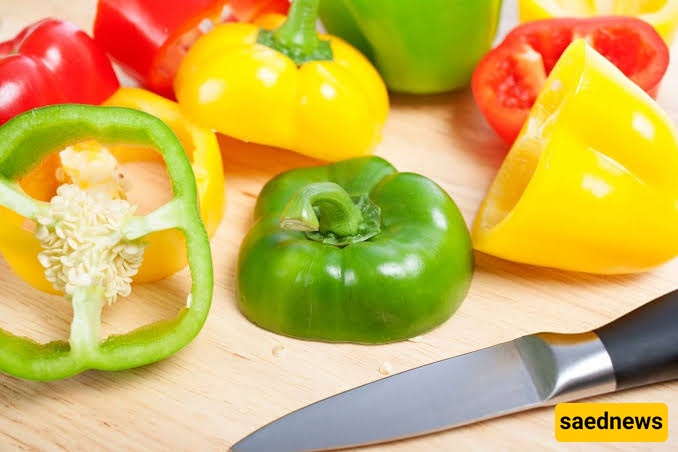
According to Saednews, Bell peppers in vibrant colors such as red, yellow, green, and orange are among the most versatile vegetables in Iranian cuisine. From pepper stews and stuffed peppers to pizza, omelets, and salads, they add a distinctive flavor and aroma to a wide range of dishes. However, bell pepper season is limited, so many people freeze them to enjoy this versatile vegetable throughout the year.
Freezing bell peppers extends their shelf life and can also save time during cooking. The main challenge, however, is preventing the pepper pieces from sticking together in the freezer. Below, we cover everything you need to know about freezing bell peppers properly.
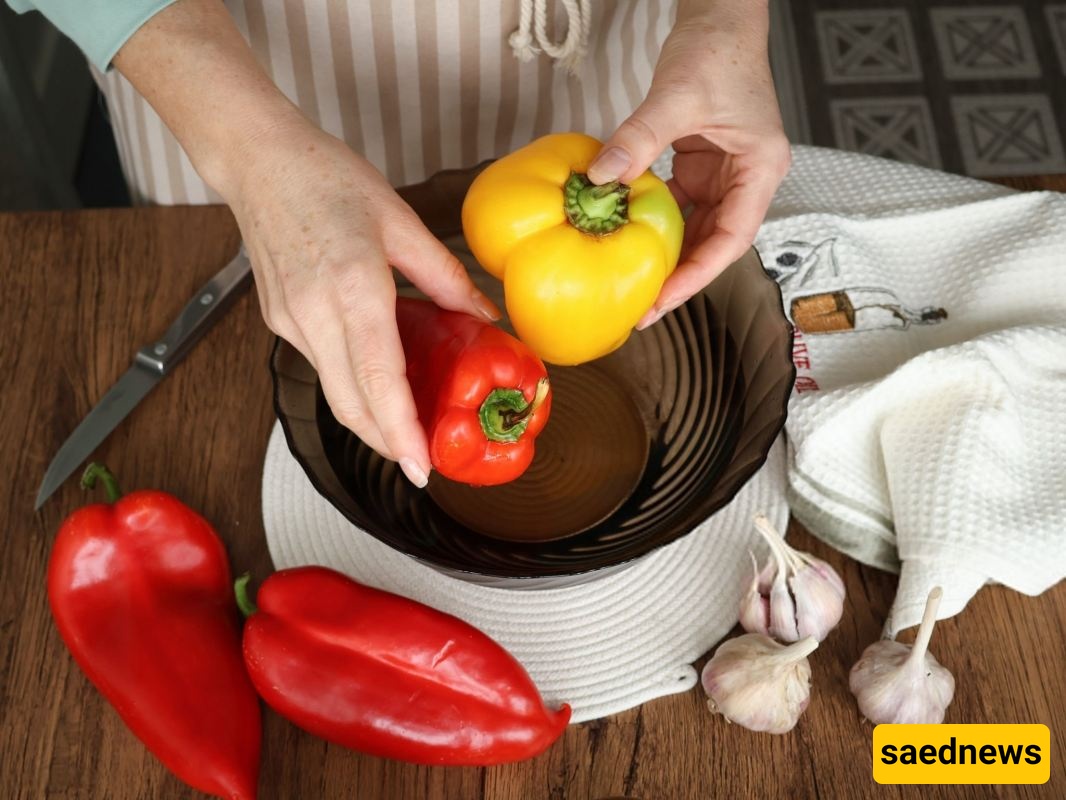
Once the peppers are completely dry, place them on a cutting board. Using a sharp knife, make a circular cut around the top of each pepper, where the stem is attached. Remove the stem, seeds, and inner white membranes.
Then cut the peppers according to how you plan to use them. Bell peppers are usually cut in three ways:
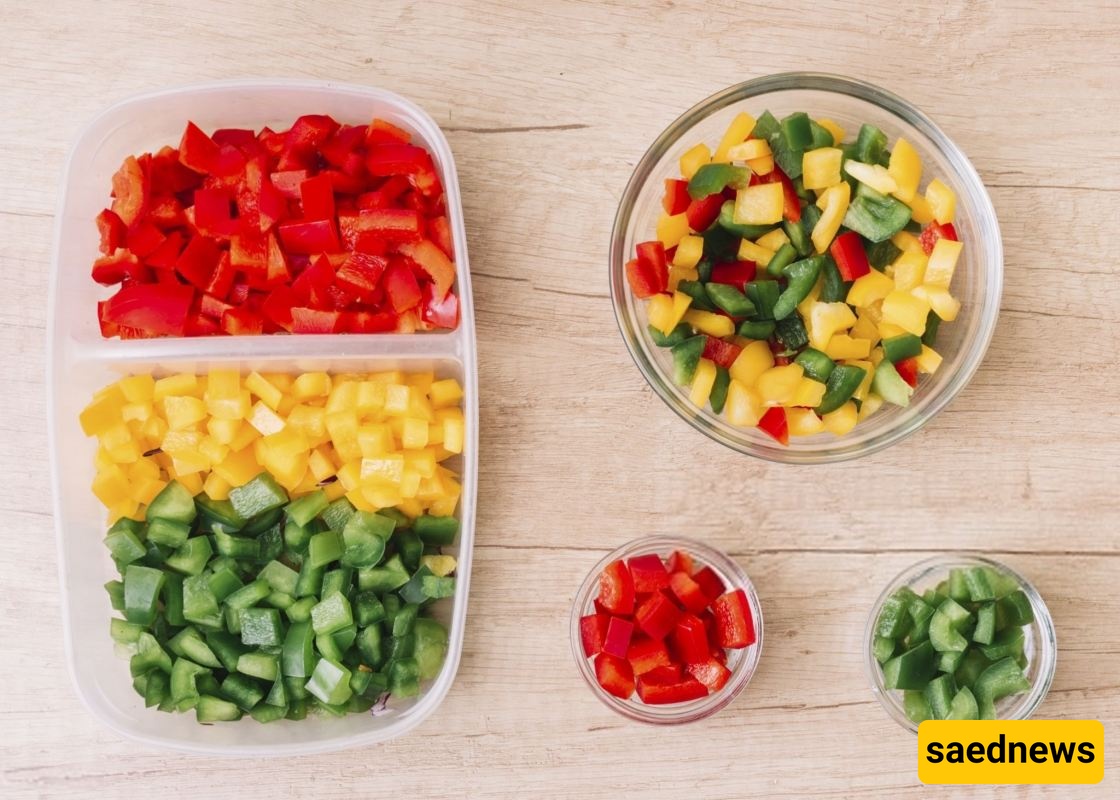
Diced: Ideal for omelets, casseroles, pasta, and fillings.
Strips: Perfect for pizza, sandwiches, vegetable dishes, and stir-frying.
Rings: Suitable for garnishing and certain specialty dishes.
Try to cut the pieces into similar sizes so they soften evenly during cooking. It is also a good idea to separate the peppers by cut type and store them in different packages, making it easier to grab exactly what you need while cooking.
If you decide to rinse the peppers again after removing the seeds, make sure to dry them completely once more.
The most important step in freezing bell peppers and preventing the pieces from sticking together is flash-freezing them before packaging.
Cover a large tray or plate with parchment paper. This prevents the peppers from sticking to the surface. Arrange the chopped peppers in a single layer, leaving some space between the pieces and making sure they do not overlap.
Place the tray in the freezer for 2 to 4 hours. Once the pieces are completely firm and frozen, remove them from the tray.
This process freezes each piece individually, preventing the peppers from forming one solid mass inside the freezer bag.
After the initial freezing stage, quickly transfer the frozen peppers into freezer bags or durable plastic containers.
It is best to divide them into portions suitable for individual meals—for example, one or two cups per package—so you do not have to thaw the entire batch when you only need a small amount.
Remove as much air as possible from the freezer bags before sealing them tightly. Label each package with the type of pepper, the cut style, and the freezing date.
Store the packages toward the back of the freezer, where the temperature tends to remain more stable.
10 Delicious Recipes You Can Make With Bell Peppers
Bell peppers are nutritious and flavorful vegetables that can make a significant difference to the taste of many dishes. There are countless delicious recipes that use bell peppers as a key ingredient.
Dry them thoroughly: If you have washed the peppers, let them sit in the open air for a few minutes after drying them with a towel. This helps remove any hidden moisture.
Freeze at a very low temperature: The colder the freezer, the faster the peppers will freeze. Faster freezing creates smaller ice crystals, which helps preserve their texture and reduces sticking.
Package them immediately: Do not leave the peppers outside the freezer for too long after flash-freezing. Moisture from the air can condense on the cold surface and cause the pieces to stick together again.
Use high-quality freezer bags: Thin plastic bags or containers without secure lids do not provide adequate protection against air and freezer odors. Use thick, durable bags specifically designed for freezing.
If you plan to make stuffed peppers later, you can freeze the peppers whole.
Carefully remove the stems and empty out the seeds, leaving each pepper intact and cup-shaped. To help the peppers retain their shape, fill the inside with parchment paper or place the peppers upright next to one another in a container.
Freeze them for several hours. Once they are completely frozen, transfer them to freezer bags.
When you are ready to use them, remove the peppers from the freezer and let them soften slightly before filling them with your desired ingredients.
If you have roasted bell peppers over direct heat, on a grill, or in the oven and removed their skins, you can freeze them as well.
Cut the roasted peppers into strips and freeze them using the same initial flash-freezing and packaging method. There is no need to blanch them beforehand.
Frozen roasted peppers are excellent for sauces, dips, savory dishes, and sandwiches. Their smoky aroma can add exceptional depth and flavor to a meal.
Raw bell peppers stored at 0°F (-18°C) can maintain good quality for approximately 6 to 12 months.
For the best flavor, color, and texture, it is preferable to use them within the first six months. Over time, the peppers may become slightly darker. This does not necessarily indicate spoilage; it is generally a natural change caused by oxidation.
Frozen bell peppers can be added directly to cooked dishes without thawing. They work especially well in soups, stews, pizza, omelets, and skillet dishes.