SAEDNEWS: Freezing can change the texture of certain foods by altering their water content and internal structure. As water turns into ice, it can weaken plant tissues, making some foods softer, more brittle, or easier to cut after thawing or while still partially frozen.
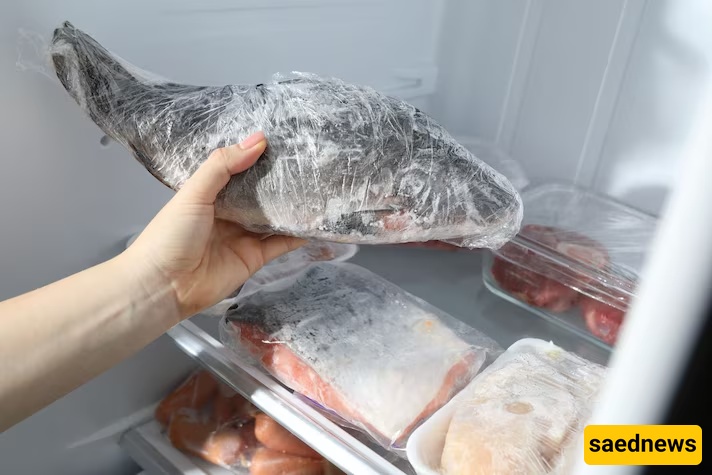
According to SAEDNEWS, many foods contain a significant amount of water inside their cells. When these foods are frozen, the water forms ice crystals that can press against and damage the surrounding cell walls. Once the food is thawed, its original structure may not fully return, resulting in a softer and less firm texture.
During freezing, ice crystals grow within the food. Larger crystals can cause greater disruption to cellular structures, particularly when freezing happens slowly. This structural damage can make some foods easier to break apart, slice, or chop afterward.
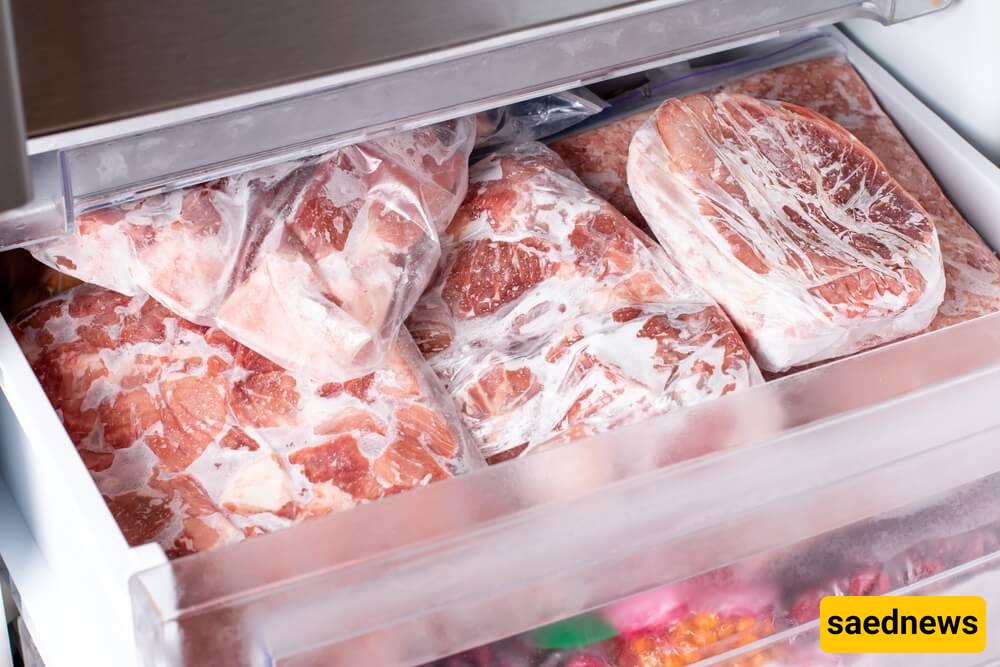
Not every food responds to freezing in the same way. Foods with firm, water-rich tissues may become noticeably more fragile after freezing because their internal connections have been weakened. When pressure is applied with a knife, these damaged structures can separate more easily.
A food that is still partially frozen can sometimes be easier to cut because its structure is firm enough to hold its shape while being less resistant than it was before freezing. However, completely frozen foods can be very hard and difficult to chop safely. Allowing them to soften slightly can make cutting easier.
The effect of freezing depends on the food's water content, texture, and cellular structure. Some vegetables and fruits may become softer after thawing, while foods with naturally dense structures may show less noticeable changes. The duration and speed of freezing can also influence the final texture.
Ultimately, freezing does more than lower temperature; it can physically alter the structure of food. The formation of ice crystals and the resulting damage to cells explain why certain foods become softer, more fragile, or easier to chop after freezing. Understanding these changes can also help with choosing the right preparation method for different foods.