SAEDNEWS: Children may avoid unfamiliar foods for many reasons, including sensitivity to new tastes and textures, previous unpleasant experiences, a desire for control, or simply feeling comfortable with familiar meals. Understanding these reasons can help parents introduce new foods calmly and without pressure.
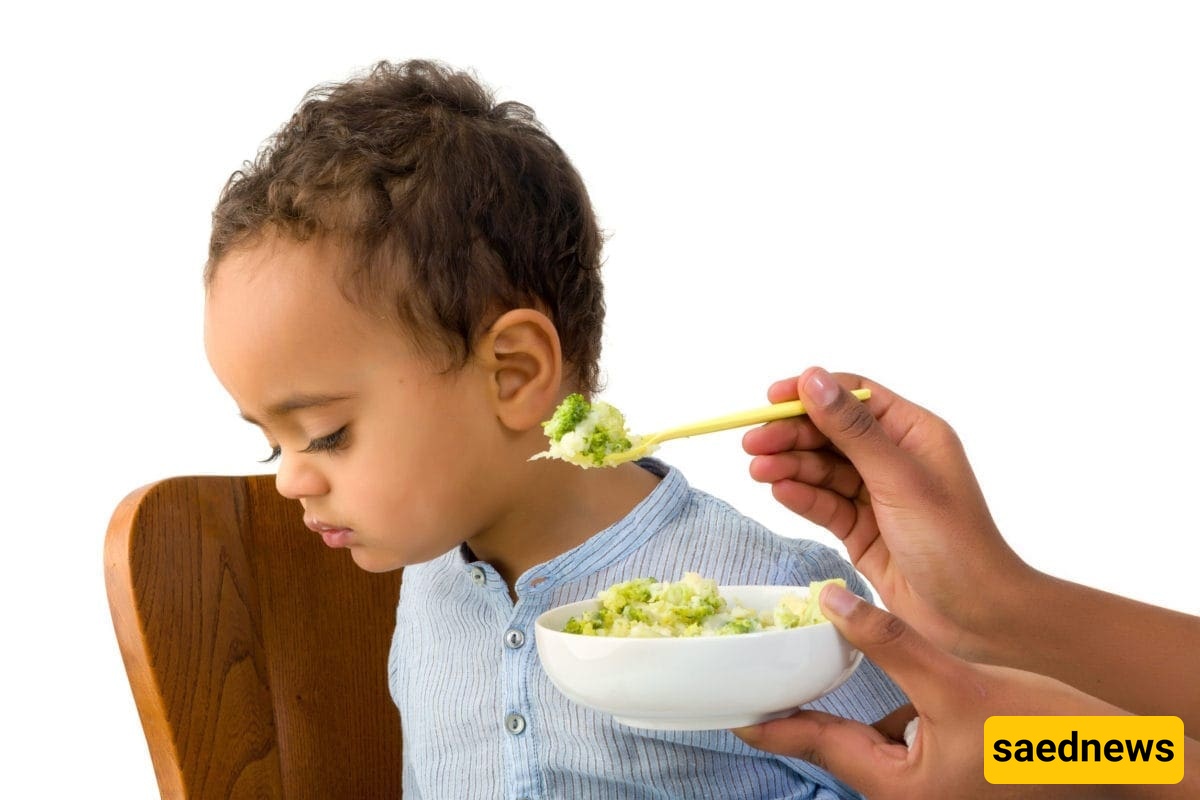
According to SAEDNEWS, children often prefer foods they already know because familiar tastes and smells feel safe and predictable. A new food may look, smell, or taste different from what they usually eat, making them hesitant to try it. This reaction can be especially common during certain stages of childhood when children become more selective about their meals.
Some children react strongly to the texture, temperature, smell, or appearance of food. For example, a child who dislikes soft or mixed textures may refuse a meal even before tasting it. Paying attention to these preferences can help parents understand whether the problem is related to the food's sensory characteristics rather than its flavor.
Refusing new foods can sometimes be a way for children to express independence. Mealtimes provide opportunities for children to make small choices, and saying no can make them feel that they have some control. Offering two or three suitable choices, rather than demanding that a child eat a particular food, can make trying something new feel less stressful.
A child may reject a food because of an earlier negative experience. If a particular meal once caused discomfort, was associated with pressure, or was introduced during an unpleasant mealtime, the child may become reluctant to try it again. Creating relaxed mealtimes and avoiding arguments over food can gradually improve a child's willingness to experiment.

Parents do not always need to convince a child to eat a new food immediately. Offering a small portion alongside familiar foods and allowing the child to see, smell, touch, or taste it at their own pace can make the experience easier. Repeated, pressure-free exposure may gradually make unfamiliar foods seem more normal and acceptable.