SAEDNEWS: Milk often rises and overflows when heated because of its unique combination of water, proteins, fats, and natural sugars. As heat builds, steam becomes trapped beneath a thin surface layer, causing the liquid to expand rapidly and spill over. Understanding this process can help prevent messes and make cooking easier.
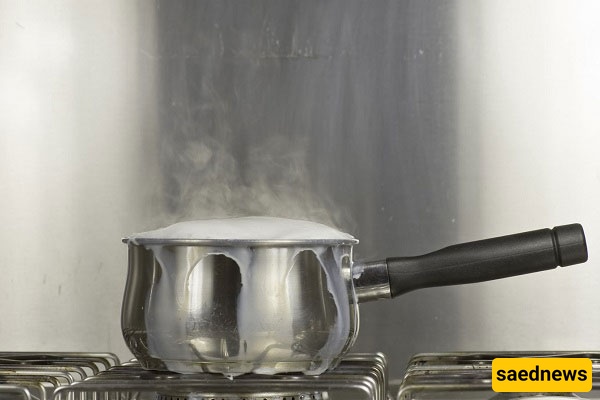
According to SAEDNEWS, milk is different from plain water because it contains proteins, fats, lactose, and minerals. As milk heats up, these components create a thin layer on the surface. Unlike water, where steam escapes easily, this layer traps steam beneath it, allowing pressure to build until the milk suddenly rises.
As the temperature increases, water inside the milk turns into steam. The surface film acts like a flexible cover, preventing the steam from escaping quickly. As more steam forms, it pushes the milk upward, creating the familiar foamy dome that can overflow within seconds if left unattended.
Boiling water usually produces bubbles that burst freely at the surface, allowing steam to escape without much resistance. Milk, however, has proteins and fats that stabilize bubbles and make them last longer. This creates a thick foam that continues to rise instead of collapsing, increasing the chance of overflow.
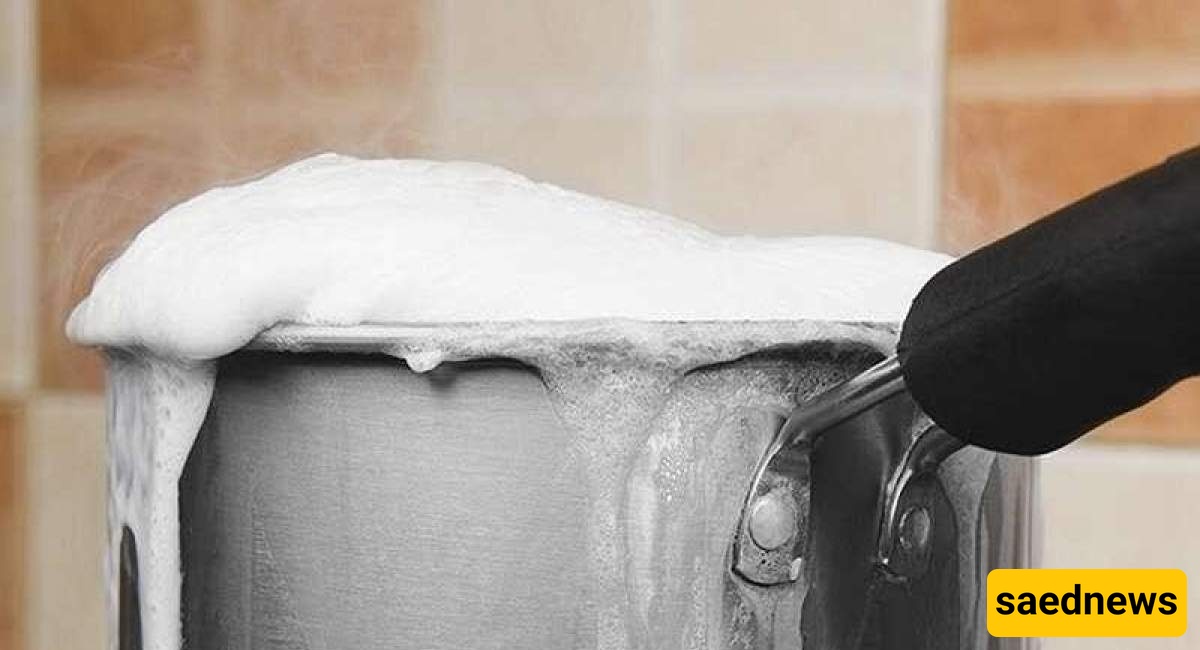
You can reduce the risk of milk overflowing by heating it over medium or low heat and stirring it occasionally. Using a larger pot gives the foam more room to expand. Watching the milk closely as it approaches boiling and lowering the heat at the first sign of rising foam can also prevent spills.
Knowing why milk boils over helps make cooking cleaner and more efficient. A basic understanding of steam, proteins, and surface tension explains this common kitchen event. With a few simple techniques and careful attention, you can heat milk safely without creating unnecessary messes.