SAEDNEWS: If you are looking for a substitute for milk in cakes, yogurt, plant-based milks, and fruit juices are excellent options for achieving a soft texture and a delightful flavor.
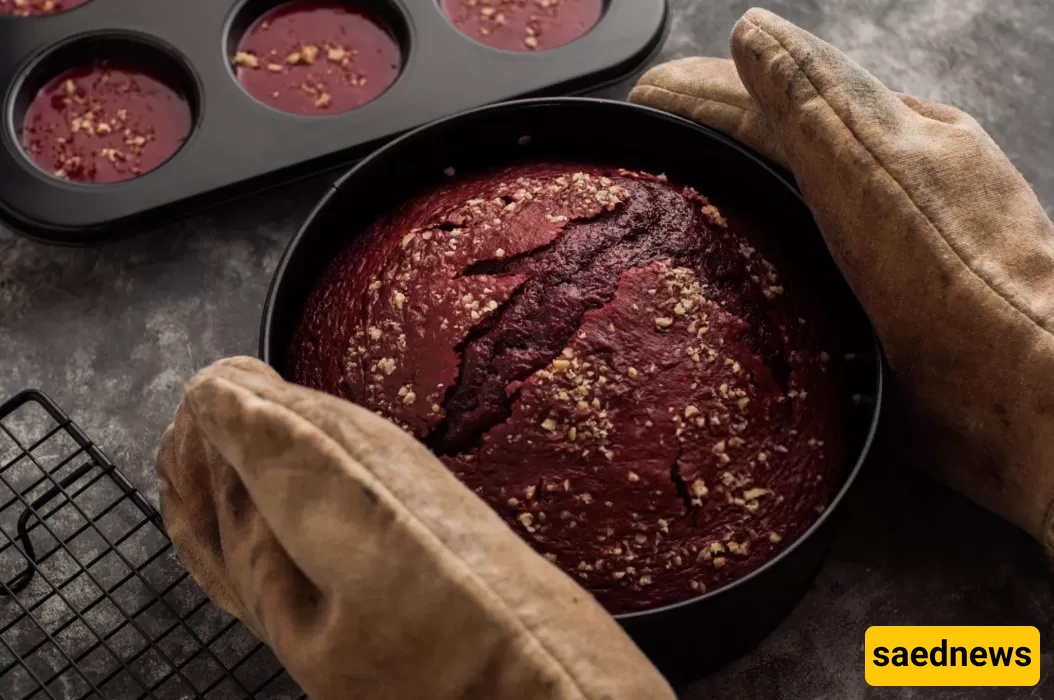
According to Saednews, Milk is one of the most common and essential ingredients in cake baking. It plays an important role in creating a soft texture, rich flavor, and the right level of moisture. However, there are times when you may need to replace milk due to lactose intolerance, a vegan diet, not having milk available at home, or simply wanting to reduce calories and fat.
The good news is that there are many excellent alternatives that can maintain the quality of your cake and sometimes even improve its flavor and texture. In this complete guide, we will explore the best milk substitutes for cakes and share important tips for using each one effectively.
Yogurt is one of the most popular and effective replacements for milk in cakes. Using yogurt instead of milk creates a cake that is soft, moist, and creamy. For the best results, Greek yogurt or full-fat yogurt is recommended.
For every one cup of milk, use half a cup of yogurt and half a cup of water.
If using plain yogurt, you may need to increase the amount of sugar to balance its possible sour taste.
Yogurt works especially well in simple cakes, vanilla cakes, traditional Persian Yazdi cakes, and pancakes.
Using yogurt helps improve the moisture and shelf life of the cake.

Powdered milk is an excellent alternative to liquid milk and offers several benefits. Because of its concentrated nature and rich flavor, it gives cakes a creamy and delicious texture.
To replace one cup of liquid milk, mix 3 to 4 tablespoons of powdered milk with one cup of water.
You can also mix powdered milk directly with the dry cake ingredients and add water separately to the wet ingredients.
Powdered milk is ideal for sponge cakes, chocolate cakes, and cupcakes.
Milk Alternatives for Cake
With growing awareness of healthy eating and food sensitivities, many types of plant-based milk are now available. Each variety has its own unique characteristics.
Has a mild and slightly sweet flavor.
Low in calories and suitable for weight-control diets.
Excellent for fruit cakes and vanilla cakes.
May make the cake texture slightly softer.
Contains high protein and has a thicker texture.
Has a neutral flavor that works well with different types of cakes.
One of the best choices for chocolate and coffee-flavored cakes.
Creates good structure and works well for sponge cakes.

Has a sweet flavor and rich, creamy texture.
Perfect for tropical cakes and coconut cakes.
Can reduce the need for additional sugar.
Makes cakes very moist and soft.
Has a naturally mild and sweet flavor.
Provides a thick and creamy texture.
Suitable for many cake recipes, especially simple cakes.
A good option for people avoiding gluten, depending on the product used.
Replacing milk with fruit juice is a healthy and flavorful option that adds natural sweetness and unique flavors to cakes.
A great choice for simple and vanilla cakes.
Adds a pleasant citrus flavor.
Helps make cakes softer and more moist.
Not recommended for chocolate cakes.
Provides a unique sweet and tart flavor.
Adds a beautiful natural color to cakes.
Rich in antioxidants.
Suitable for special and decorative cakes.
Important Tip: When using fruit juice, reduce the amount of sugar because the juice already contains natural sweetness.
Cream can be a suitable replacement for milk, especially when you want a richer and creamier texture.
Cream is not ideal for sponge cakes because it can make the texture too heavy.
It works wonderfully for cream cakes and birthday cakes.
You can dilute cream with water until it reaches a milk-like consistency.
Using cream increases the calorie and fat content of the cake.
It may be surprising, but water can be a suitable replacement for milk in cakes. Since more than 85% of milk is water, this substitution makes practical sense.
Replace one cup of milk with one cup of boiled, lukewarm water.
To replace the fat from milk, add one teaspoon of butter to the water.
The water should be boiled and lukewarm so it combines properly with the other ingredients.
This method is suitable for simple and low-fat cakes.
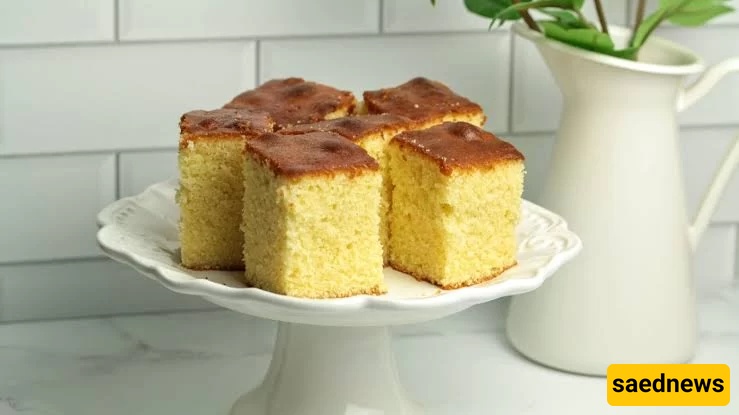
Many people wonder whether it is possible to make cake with water instead of milk. The answer is yes, but there are some differences.
Softer and more delicate texture
Richer and creamier flavor
More attractive golden color
Longer shelf life
Slightly firmer texture
Simpler flavor
Lighter color
Lower calorie content
To prepare a milk-free cake that rises well, follow these important tips:
Use fresh eggs at room temperature.
Always sift dry ingredients before mixing.
Use fresh baking powder.
Preheat the oven before baking.
Choose substitutes such as yogurt or soy milk that help create good volume.
Replacing milk in cakes is completely possible and can create a new and enjoyable baking experience. The best substitute depends on several factors, including the type of cake, personal taste, dietary needs, and ingredients available at home.
Yogurt and soy milk are excellent choices for light and fluffy cakes, while coconut milk and cream are better suited for rich and creamy desserts. Fruit juices add natural flavor and sweetness, while water remains the easiest solution when you need a quick replacement.
With the right substitute and proper technique, you can bake delicious, soft, and moist cakes even without traditional milk.