SAEDNEWS: Fruits are beneficial for your health, but there are some important warnings to consider before taking your next bite.
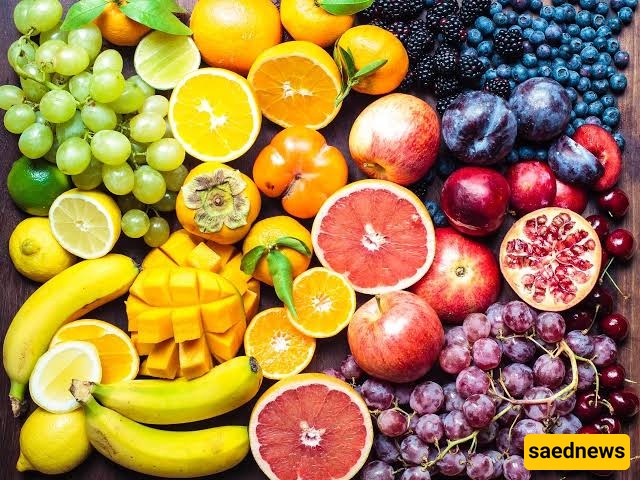
According to SAEDNEWS, Fruits provide many health benefits, but the way you consume them can make a difference. Before reaching for your next piece of fruit, it is worth knowing some common mistakes that may affect your health. Here are some mistakes that can make eating fruits less beneficial.
What makes pineapple different from berries? Although both provide valuable nutrients for the body (pineapple is a rich source of folate and vitamin B6, while berries are packed with fiber and vitamin C), they contain different amounts of carbohydrates, sugar, and fiber. The best fruits contain high levels of polyphenols (compounds that help fight inflammation) and have a low glycemic index. The glycemic index shows how quickly a food can raise blood sugar levels. Fruits with a low glycemic index are better choices because they are digested more slowly, preventing sudden blood sugar spikes and helping you stay full for longer.
Berries contain high amounts of polyphenols and have a low glycemic index. In general, darker-colored fruits, such as dark grapes, usually contain more antioxidants and less sugar per serving compared with lighter-colored fruits like bananas and melons.
Some weight-loss plans allow you to eat unlimited amounts of fruits and vegetables, but this approach may not be the smartest choice. While you can usually eat large amounts of non-starchy vegetables, fruits require more attention because some have a higher glycemic index. Since fruits taste sweet and enjoyable, it is easy to overeat them without realizing it. This can raise blood sugar levels due to their glucose and calorie content, potentially contributing to weight gain.
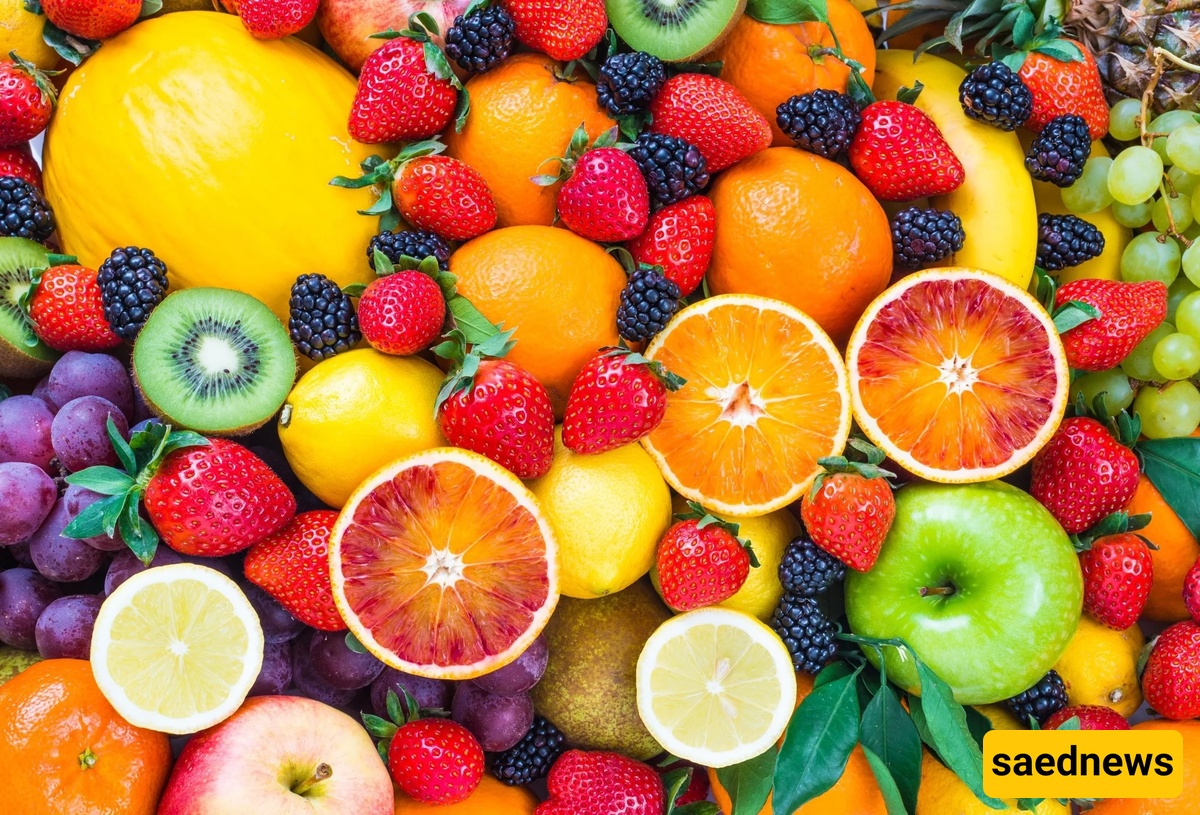
Is your stomach growling and you still have a few hours before your meal? Or are you simply craving something sweet? Before choosing a snack, consider what your body actually needs. For example, a large apple contains about 120 calories, while a small apple contains only 53 calories. Also, do not compare the size of an apple directly with an orange. A large orange may contain roughly the same number of calories as a small apple.
Although a piece of fruit is a healthier choice than a piece of candy, it can still cause blood sugar levels to rise and then drop quickly. Try pairing fruit with a source of protein, such as cheese or peanut butter, to help prevent sudden blood sugar fluctuations. Fruit increases insulin levels, while protein stimulates the release of glucagon. These two hormones work together to help maintain stable blood sugar levels.
For people with diabetes or prediabetes, combining fruit with protein is especially important. Otherwise, blood sugar spikes may lead to symptoms such as an increased heart rate.
Organic fruits may cost more, but many experts believe they are worth the extra expense, especially for certain types of produce. Experts often recommend choosing organic versions of apples, grapes, and other fruits that are commonly treated with pesticides. This may reduce pesticide exposure and could help you obtain more nutrients.
Fruit peels are often among the richest parts of the fruit when it comes to vitamins and antioxidants. For example, apple skin contains significant amounts of vitamin C, fiber, and vitamin A. Research has also suggested that apple peel may help prevent obesity and provide anti-cancer benefits.
Fruit juice does not contain the same fiber found in whole fruits. Fiber is important because it slows down the release of glucose into the bloodstream. It is always better to eat fruits whole or consume them as smoothies (especially when combined with protein). Dried fruits can have a similar issue, as they are easy to overeat, just like fruit juices.