SAEDNEWS: Magnesium-rich fruits like avocados and dried figs help provide this essential mineral, supporting overall health. Discover the best fruits to boost your daily magnesium intake.
According to SAEDNEWS, Magnesium is a mineral essential for important processes such as nerve function, blood pressure and blood sugar regulation, and maintaining bone health. Daily magnesium needs vary based on age and gender. Adult men require 400–420 milligrams of magnesium per day, while adult women need 310–400 milligrams daily.
Nearly half of the U.S. population does not meet their daily magnesium needs, which may increase the risk of conditions such as heart disease. Eating magnesium-rich foods, including fruits, can help improve magnesium intake.
Magnesium acts as a cofactor in metabolic processes and helps regulate blood sugar, produce energy, and support heart health. Magnesium deficiency can cause symptoms such as fatigue, muscle cramps, general weakness, and even neurological issues like anxiety and depression. Therefore, consuming magnesium-rich foods, especially fruits, is a simple and delicious way to prevent these problems.
Here are some magnesium-rich fruits that can help improve overall health:
Prickly pear is a plant native to Mexico that produces oval-shaped fruits with a sweet, berry-like flavor. This nutritious fruit is rich in vitamins, minerals, and beneficial plant compounds and is one of the best fruit sources of magnesium. One cup of raw prickly pear provides 127 milligrams of magnesium, covering 30% of the Daily Value (DV).
It is also rich in vitamin C and fiber, providing 23% DV of vitamin C and 19.2% DV of fiber per cup.
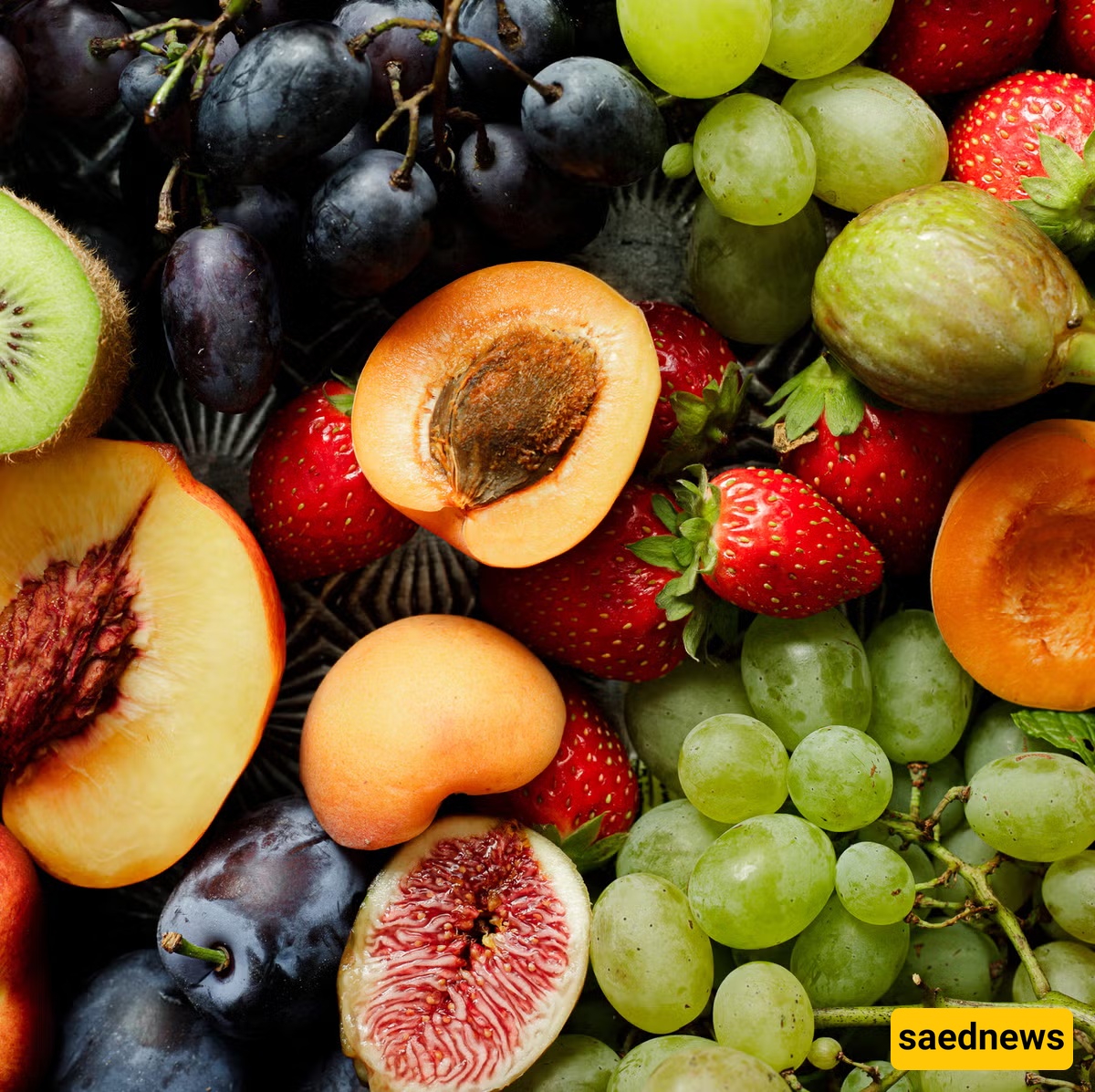
Dried figs are an excellent source of magnesium, with one cup providing 101 milligrams or 24% DV. They are also rich in fiber, vitamin B6, and calcium, providing more than 50% DV of fiber per cup. Figs contain polyphenol antioxidants that help protect cells from damage and regulate inflammation.
Durian is a large tropical fruit native to Southeast Asia with a sweet yet bitter flavor and a strong aroma. One cup of raw durian provides 72.9 milligrams of magnesium (17% DV) and is a good source of fiber, vitamin C, and potassium. It provides 53% DV of vitamin C, which supports immune function and antioxidant protection.
Passion fruit is native to South America and produces small fruits with a hard outer shell. One cup of passion fruit contains 68.4 milligrams of magnesium (16.2% DV) and is a good source of vitamin A (16.7% DV). Vitamin A is essential for vision, reproductive health, and normal growth.
Jackfruit is the largest edible fruit in the world and is native to India. One cup of raw jackfruit provides 47 milligrams of magnesium (11% DV) and 16% DV of potassium. Potassium and magnesium help regulate blood pressure and may reduce the risk of heart disease.
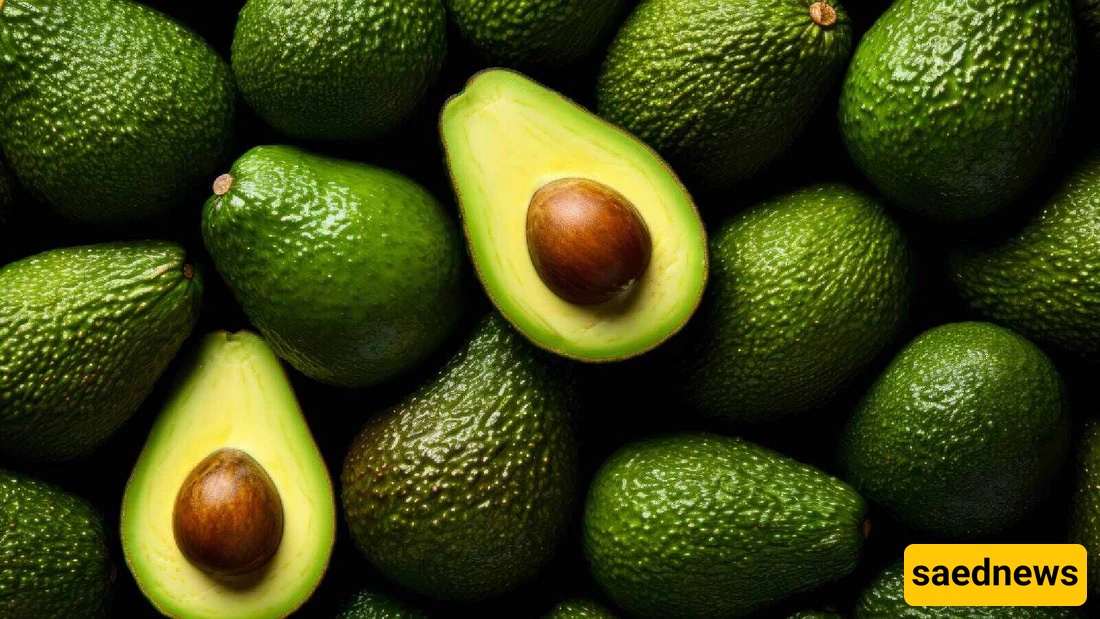
Avocado is one of the healthiest fruits, with one cup providing 43.5 milligrams of magnesium (10.3% DV). It is low in carbohydrates and rich in healthy fats and fiber (35% DV of fiber).
Avocado is a suitable choice for low-carb diets and blood sugar management.
One cup of dried apricots provides 41.6 milligrams of magnesium (9.9% DV) along with high amounts of potassium and iron. This serving provides 19.2% DV of iron, which is essential for oxygen transport.
Dried apricots are a healthy alternative to sweets.
One cup of sliced bananas contains 40.6 milligrams of magnesium (9.6% DV). Bananas are rich in vitamin B6, which is important for metabolism and hemoglobin production. This nutritious tropical fruit is widely popular.
One cup of guava provides 36.4 milligrams of magnesium (8.6% DV) and more than 400% DV of vitamin C. Guava is relatively high in protein, providing 4.21 grams per cup. It has a unique sweet and tangy flavor.
One cup of papaya contains 34.6 milligrams of magnesium (8.2% DV) and is rich in folate and vitamin C.
Papaya is high in lycopene, which may help reduce the risk of heart disease. This tropical fruit has a sweet flavor and vibrant orange color.
One cup of blackberries provides 28.8 milligrams of magnesium (7% DV) and high amounts of vitamins C and K.
Blackberries contain powerful antioxidants such as anthocyanins. They can help reduce inflammation and protect cells from damage.