SAEDNEWS: Our kidneys help detoxify the body by filtering about 200 quarts of blood daily and removing waste. They also return essential nutrients to the bloodstream and help regulate blood pressure.
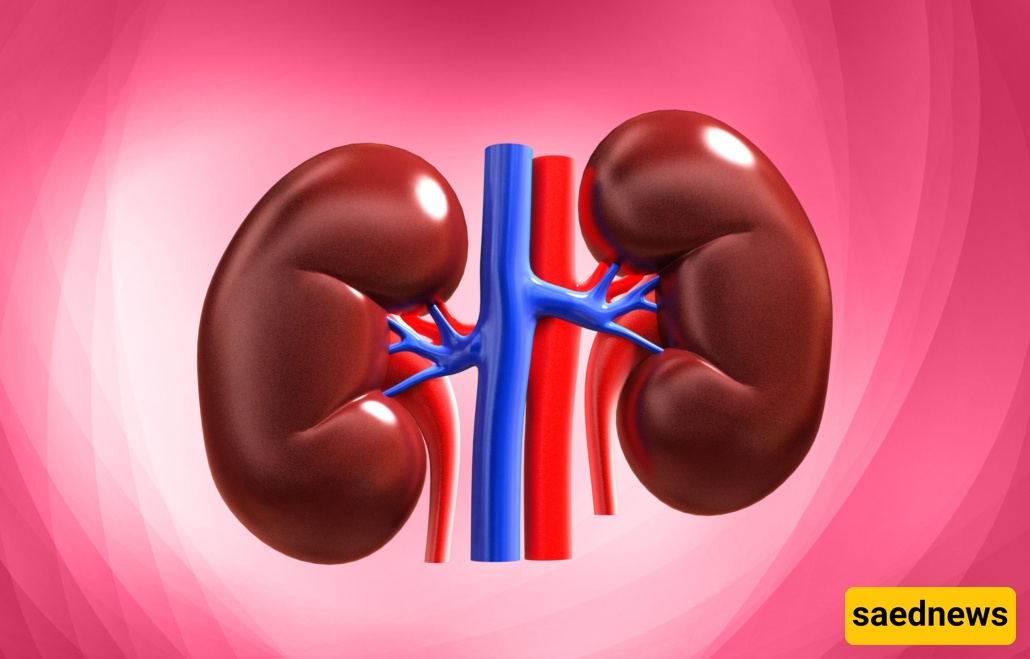
According to SAEDNEWS, The quality of our diet greatly affects how well our kidneys perform their functions. Some foods put extra stress on these bean-shaped organs and should be consumed in moderation to reduce the risk of kidney disease. Fortunately, it is never too late to improve your kidney health, even if you have already experienced kidney problems. (However, at this stage, your doctor should be involved.)
Here are 4 foods that put significant pressure on your kidneys. Some should only be eaten in moderation, while others may need to be avoided completely. Keep reading to learn how to maintain a balanced kidney-friendly diet.
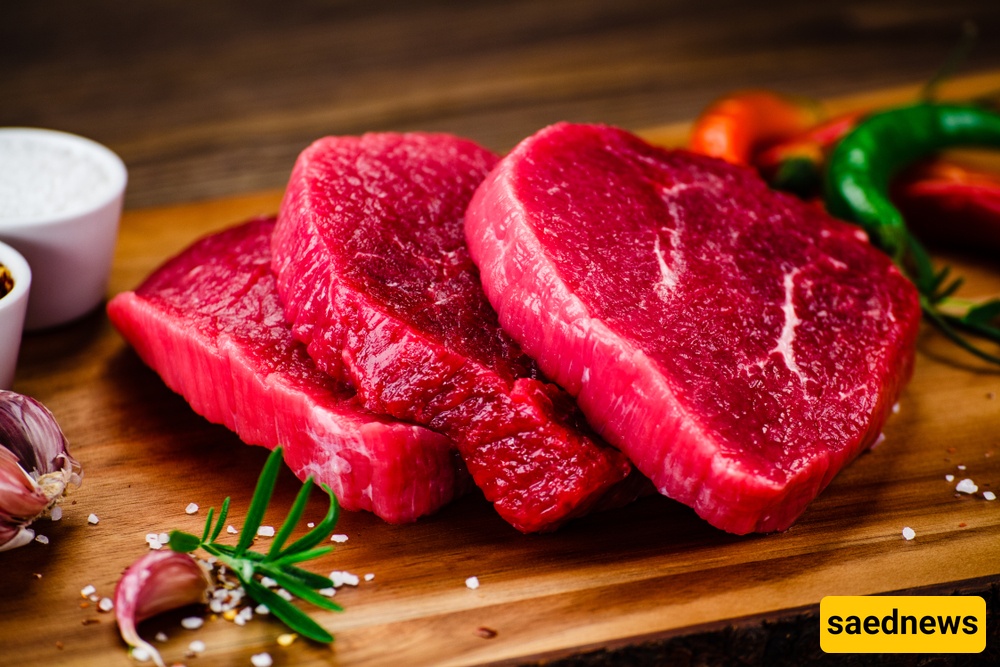
The main concern with red meat is its high protein content. Our bodies need protein for growth and muscle development, but processing large amounts of protein can be difficult for the kidneys. Red meat is also high in saturated fat. While the kidneys need some fat to function properly, excessive amounts can lead to the formation of macrophages in kidney tissue, causing damage and increasing acid buildup in the body.
Red meat, especially organ meats, contains high levels of purines, which can increase uric acid production. The kidneys normally process uric acid, but consuming too many purines can contribute to the development of painful kidney stones.
Alcohol is essentially a toxin that your kidneys must filter. Drinking too much alcohol puts significant stress on the kidneys. Excessive alcohol consumption can alter kidney function, just like it affects the brain, making it harder for them to filter your blood effectively.
Alcohol is also dehydrating, and water is essential for proper kidney function as well as the health of every cell in the body.
Sodium is an important mineral that helps the body maintain the right fluid balance. Along with potassium, sodium keeps our blood properly hydrated so the kidneys can filter effectively. However, consuming too much salt forces the kidneys to retain more water to dilute it. Over time, this can increase blood pressure and damage the tiny filtering structures in the kidneys called nephrons.
To reduce sodium intake, eat freshly prepared foods whenever possible so you can control the amount of salt you consume. At the same time, make sure to include plenty of potassium-rich foods to help maintain the sodium-potassium balance, which is essential for proper hydration.
Many of us rely on daily caffeine to feel energized in the morning, along with one or two more doses in the afternoon when we need to stay awake. However, caffeine is a stimulant that increases blood flow and may raise blood pressure. It also acts as a mild diuretic, affecting the kidneys’ ability to retain water and potentially leading to dehydration.
In small amounts, caffeine does not put much stress on the kidneys. However, excessive intake may worsen kidney problems and contribute to kidney stone formation due to dehydration. As long as you limit yourself to 2 or 3 caffeinated drinks per day and drink enough water, there is usually no need for concern.