Saed News: New research warns that exposure to high amounts of nanoplastics may damage the health and function of kidney cells.
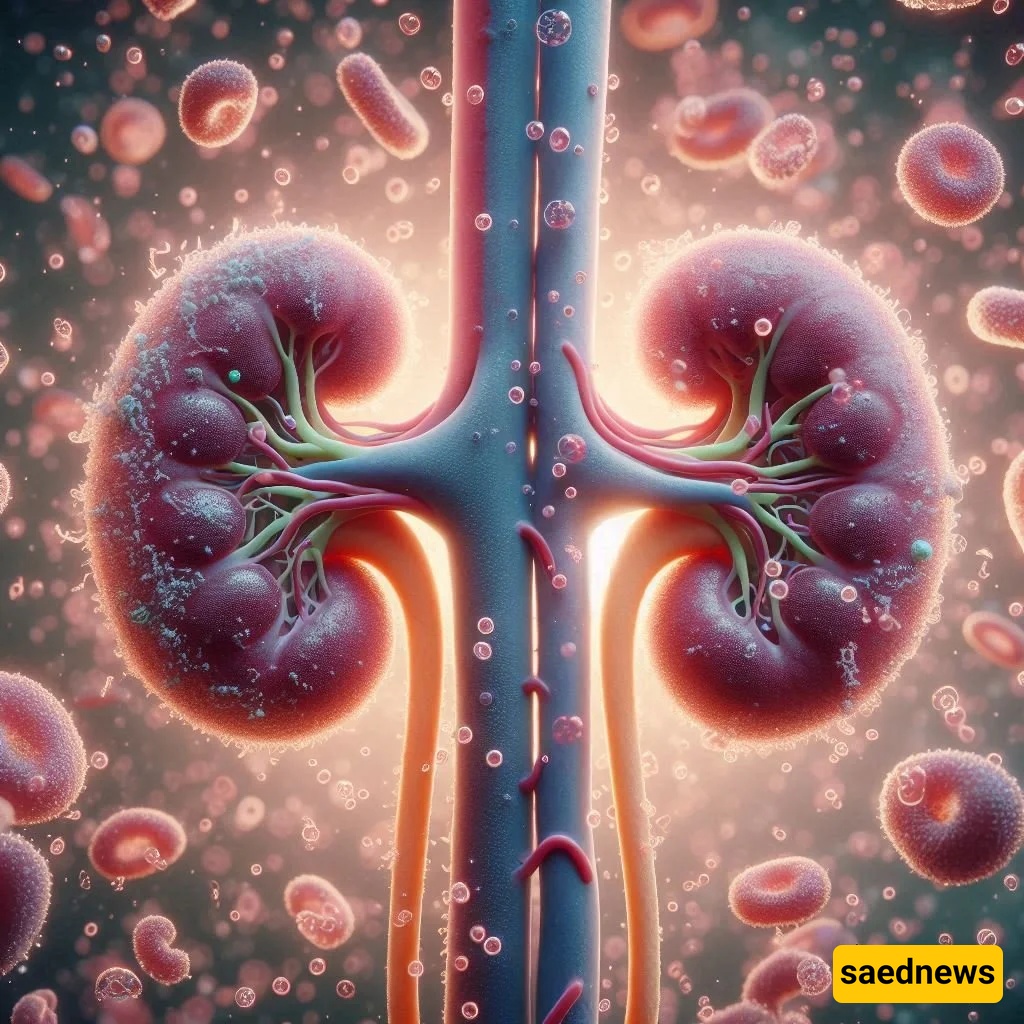
According to SAEDNEWS, citing Xinhua, researchers at Flinders University in Australia conducted a new study on whether nanoplastics can accumulate in the kidneys, the body’s main blood-filtering system, or cause damage.
The results showed that although lower concentrations of nanoplastics (less than 1 micrometer in diameter) have limited short-term toxic effects on kidney cells, higher levels can compromise overall cell health and function, causing changes in cell shape, survival, and regulation.
Lead author Hayden Gillings from Flinders University said: “The results also show that these effects are influenced not only by concentration but also by polymer composition and particle size, and some combinations cause significant cellular changes even at relatively low doses.”
Researchers warned that persistent or repeated damage to kidney regulatory cells can impair kidney function, reduce filtration efficiency and cleansing capacity, and potentially lead to the accumulation of nanoplastics in kidney tissue.
The findings also highlight the need to examine biological consequences, including potential DNA damage and long-term functional impacts, to fully assess the risks of environmental nanoplastics on kidney health and systemic exposure.
Researchers further warned that plastic waste is breaking down across land, sea, and air, leading to the proliferation of microplastics (particles smaller than 5 millimeters) and nanoplastic pollution, threatening all forms of life, and called for stricter measures to limit their release into the environment, food chain, and living organisms.