SAEDNEWS: Barley is one of the richest grains and is used in the preparation of bread, beverages, and various foods. Accordingly, bread made from barley flour also possesses the same properties.
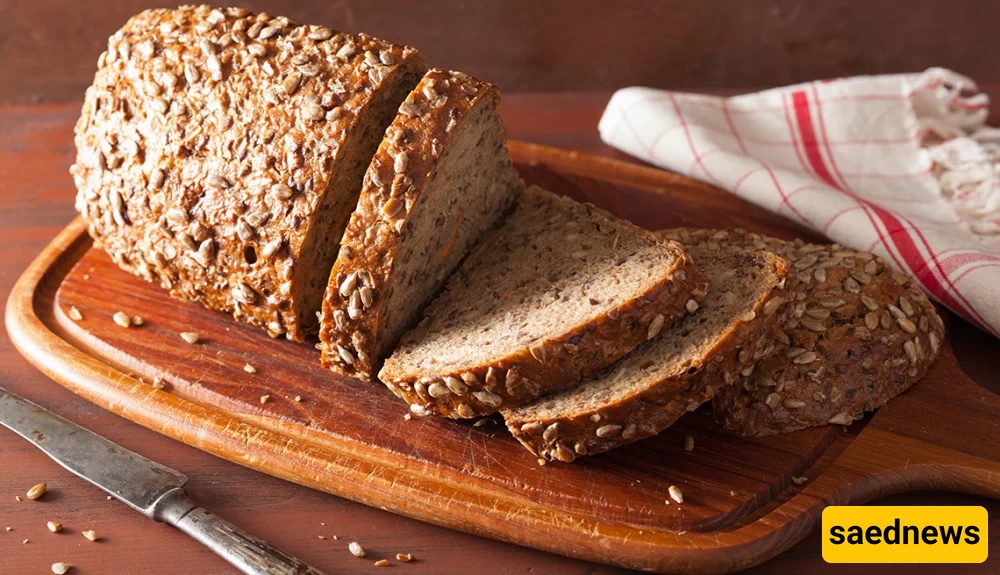
According to Saednews, Barley bread, due to its denser texture, higher fiber content, and different moisture level compared to white bread, behaves differently when stored. Many people say barley bread dries out quickly, while others experience sudden mold growth—especially when it is kept in plastic bags or humid environments. Therefore, by following a few simple but precise principles, you can prevent rapid staling, reduce the risk of mold, and also learn the best method for freezing and consuming it over several weeks without quality loss.
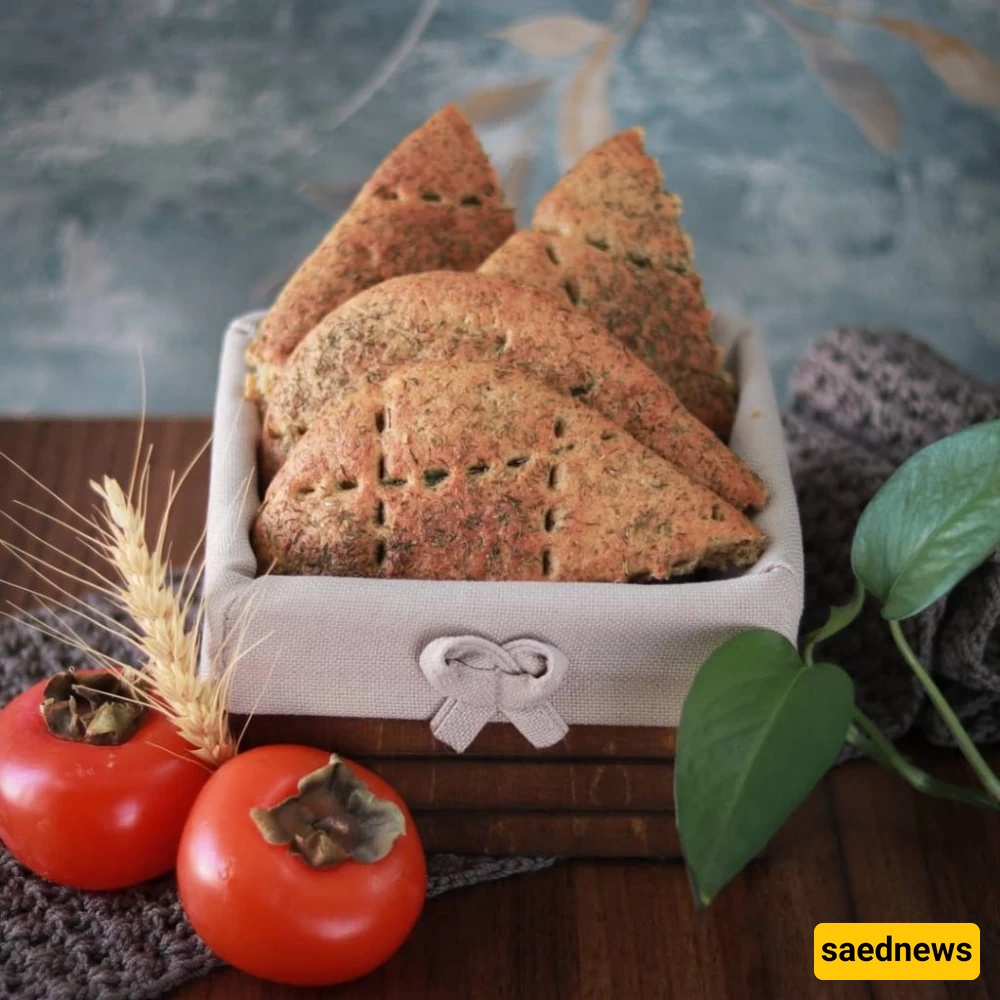
Staling is not just “drying out.” It is a structural change in the starch of bread that causes the crumb to become firm and lose softness. This process can occur even when visible moisture is still present, meaning the bread may look soft but feel stale when eaten.
An important point is that storing bread in the refrigerator usually accelerates staling, because starch changes speed up at low temperatures, even though mold growth slows down.
Barley bread generally has a denser structure compared to light, airy breads. If it is not packaged properly, it loses moisture quickly and becomes hard and brittle. On the other hand, if it is sealed tightly in a warm or humid environment, condensation may form, creating ideal conditions for mold growth.
For short-term storage (e.g., up to 2 days), keeping barley bread at room temperature in proper conditions is best.
Important note: Never place warm, freshly baked bread directly into a plastic bag, as steam creates humidity and leads to mold growth.
If you want to store barley bread for a longer period (several weeks to months), freezing is the best option.
Cool completely: Let the bread cool fully (but not become cold). Freezing warm bread causes ice formation and damages texture.
Divide into portions: Cut the bread into daily-use portions so you only take out what you need.
Proper packaging: Wrap each piece in a freezer bag or aluminum foil. Remove as much air as possible to prevent freezer burn.
Barley bread can be stored in the freezer for up to 3 months for best quality.
Labeling: Write the freezing date on the package.
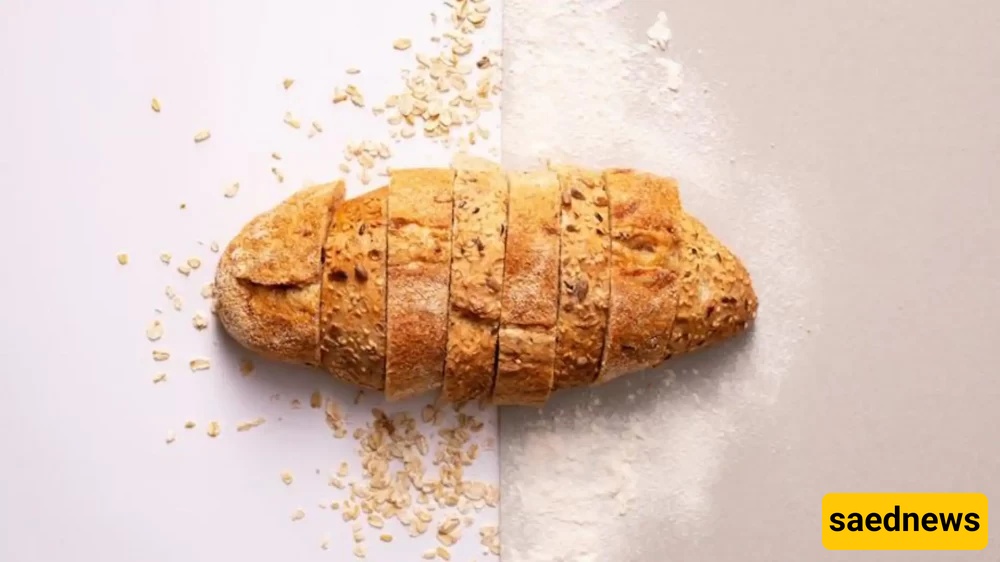
If you plan to consume the bread within 1–2 days, room temperature is usually best—but “room temperature” means a cool, dry place away from sunlight, ovens, steam, and humid windows.
Depending on your home environment, two approaches exist:
In dry environments (where bread hardens quickly), use packaging that retains some moisture without causing condensation.
In humid environments (where mold forms quickly), allow more airflow to prevent trapped moisture.
Avoid storing bread near moist fruits or warm foods, as heat and humidity reduce shelf life.
In most cases, the refrigerator is not suitable for bread because it speeds up staling and makes bread hard quickly. Many people experience this: bread in the fridge does not mold, but becomes rubbery or hard within 1–2 days.
Therefore, if you need to store bread for more than 2–3 days, freezing is usually the proper method, not refrigeration.
However, there is one exception: in very humid environments where bread molds quickly and freezing is not possible, the refrigerator may temporarily help prevent mold. But the bread will still stale faster. In this case, it is better to store smaller portions and reheat before eating.
If your goal is storage for one week to several weeks, freezing is the best solution. The key principle is: the fresher the bread is when frozen, the better its final quality.
Freezing preserves safety, while most limitations are related to texture rather than food safety.
A crucial tip is to pre-slice the bread before freezing. Freezing whole loaves makes thawing inconvenient and can damage texture. Pre-cut slices allow you to take only what you need while keeping the rest untouched.
In freezing, the goal is to minimize air exposure to prevent freezer burn and surface drying. Proper wrapping helps preserve quality for weeks.
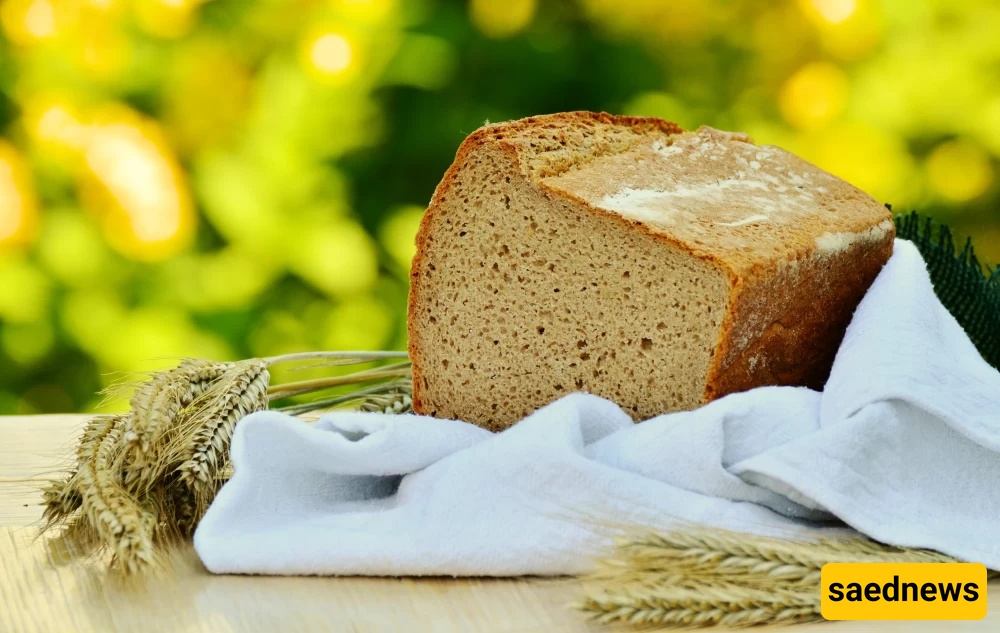
There are two common methods:
Room temperature thawing: If you are not in a hurry, let slices thaw slowly at room temperature.
Direct heating: If you are in a hurry, place frozen slices directly in a toaster or oven. This restores texture and makes the surface crisp.
A common mistake is thawing bread while it is still sealed in a plastic bag. This traps moisture and causes a soggy texture. If thawing at room temperature, allow the bread to breathe slightly to prevent moisture buildup.
The most important principle in storing barley bread is moisture control: do not package it while warm, avoid humid and hot environments, and if storage exceeds 2–3 days, use the freezer instead of the refrigerator.
Short-term storage works best in a cool, dry room, while long-term preservation is best achieved through freezing pre-sliced portions.
If you experience issues with dryness or mold, focus on two key factors: consumption timing and packaging method. Adjusting just these two elements can significantly improve results in most households.