SAEDNEWS: In this article, we examine the characteristics of healthier chocolate, compare different types of chocolate, review leading brands, and provide practical tips for choosing high-quality chocolate with lower sugar content.
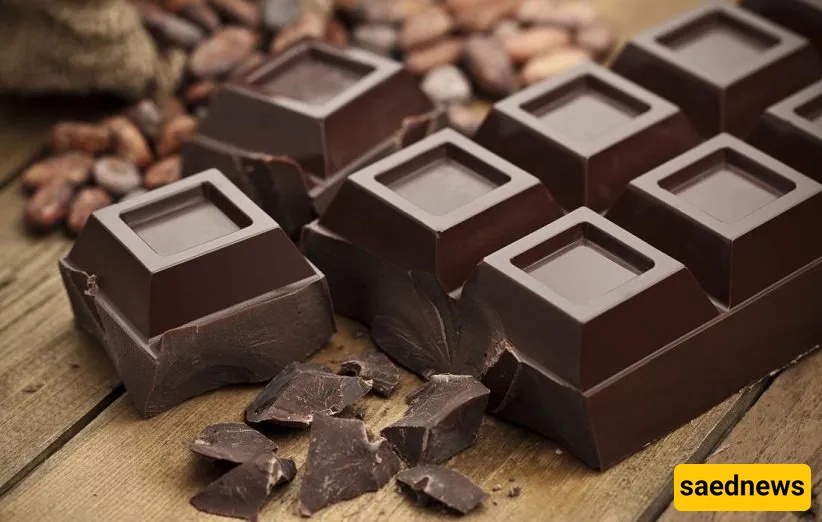
According to Saednews, Chocolate is one of the world's most beloved treats, offering a delightful taste, an irresistible aroma, and a pleasant effect on mood. However, many chocolates available on the market are loaded with sugar, unhealthy fats, and artificial additives. As public awareness of the health risks associated with excessive sugar consumption has grown, more consumers have begun seeking chocolates with lower sugar content and higher quality. This raises an important question: Which chocolates contain less sugar and offer better quality?
One of the most important factors determining the sugar content of chocolate is its cocoa percentage. The higher the cocoa content, the lower the sugar content tends to be. Dark chocolate, commonly available with cocoa percentages of 70%, 85%, or even higher, is among the best options for those looking to reduce their sugar intake.
Unlike milk chocolate or white chocolate, which contain significant amounts of milk, sugar, and added fats, dark chocolate focuses primarily on the key ingredient: cocoa mass. High-cocoa dark chocolate generally has a more bitter taste and a denser texture, but these characteristics also mean that it contains far less sugar than other varieties.

In recent years, sugar-free chocolates have become increasingly popular. These products are typically sweetened with alternatives such as stevia, erythritol, or maltitol. These sweeteners contain fewer calories and have minimal impact on blood sugar levels, making them suitable for people with diabetes or those following low-sugar diets.
However, not every chocolate labeled "sugar-free" is necessarily healthy. Some products may still contain trans fats, artificial additives, or sweeteners that can cause digestive discomfort. Therefore, carefully reviewing the ingredient list is essential before making a purchase.
One of the most important indicators of chocolate quality is the type and origin of its ingredients. High-quality chocolate should contain pure cocoa mass, natural cocoa butter, and no hydrogenated vegetable fats. Lecithin (commonly derived from soy) is generally acceptable as an emulsifier, but chocolates with unnecessary preservatives or artificial additives are best avoided.
Chocolates made from cocoa beans with a clearly identified origin—such as Ecuador, Ghana, or Madagascar—often offer superior quality. Although these chocolates may be more expensive, they usually provide a richer flavor profile and greater nutritional value.
Several well-known international brands focus on producing chocolates that are both high-quality and lower in sugar. If you are considering purchasing chocolate online, the following brands are worth exploring:
Lindt offers a wide range of cocoa percentages, particularly through its Excellence line. The brand's 85% and 90% cocoa dark chocolates contain very little sugar while delivering a rich and complex flavor experience.
Known for its organic ingredients and Fairtrade cocoa, Green & Black's produces high-cocoa dark chocolates that combine excellent taste with healthier nutritional profiles.
Although most Milka products are sweet milk chocolates, the company has introduced darker varieties with higher cocoa percentages and reduced sugar content. Some products also include nuts and enriched biscuit ingredients, adding nutritional value.
While many Ritter Sport chocolates are relatively sweet, certain product lines are made with reduced sugar levels or natural sweeteners, making them suitable for consumers seeking lower-sugar alternatives.
In recent years, several Iranian chocolate manufacturers have worked to improve product quality while reducing sugar content.
One of Iran's oldest chocolate producers, Shoniz has introduced dark chocolates containing 70% cocoa or more. These products contain less sugar than the brand's sweeter offerings and are widely available throughout Iran.

Aydin is a well-known name in Iran's confectionery industry. The company produces dark chocolates with high cocoa percentages in simple, affordable packaging suitable for everyday consumption. While the ingredient quality may not match premium imported brands, these chocolates are generally healthier than many domestic milk chocolates.
Baraka offers a variety of dark chocolates with cocoa contents ranging from 60% to 80%. Some products are sugar-free or sweetened with sugar alternatives, making them appealing for individuals following low-sugar diets.
Farmand has focused on improving product quality by using imported cocoa sources and offering chocolates with varying cocoa percentages. Its 80% and 99% dark chocolate lines contain very little sugar and provide an authentic cocoa flavor. The company has also introduced sugar-free options sweetened with stevia.
Although these brands may not always match the premium quality or ingredient sourcing of leading international manufacturers, they provide affordable, accessible alternatives while supporting domestic production.
When choosing a chocolate that is both low in sugar and high in quality, consider the following factors:
High cocoa percentage: The higher the cocoa content, the lower the sugar content is likely to be.
No trans fats: Trans fats are harmful to cardiovascular health.
No palm oil or hydrogenated fats: Their presence often indicates lower-quality chocolate.
Natural sweeteners: Ingredients such as stevia or erythritol are preferable.
Transparent cocoa sourcing: Ideally organic or Fairtrade certified.
No artificial additives: Avoid products containing artificial colors or chemical flavorings.
A common question is whether handmade chocolate is healthier than industrially produced chocolate. The answer depends on the ingredients and manufacturing process.
Some artisan chocolatiers use pure cocoa beans, avoid harmful additives, and maintain strict control over production methods. In such cases, handmade chocolates can be exceptionally high in quality and low in sugar.
However, not all handmade chocolates are inherently healthier. Some may contain excessive sugar to enhance flavor or may not meet rigorous hygiene standards. As with industrial products, reviewing the ingredients and understanding the producer's practices are crucial.
For children, chocolates sweetened naturally, free from artificial additives, and containing moderate cocoa levels are generally the best choice. Chocolates containing nuts such as almonds or hazelnuts can also provide additional nutritional benefits.
For people with diabetes, sugar-free chocolates sweetened with stevia or erythritol are often preferable. Even so, moderation remains important, as these products still contain calories and fats.
Although dark chocolate is generally considered healthier than milk or white chocolate, it is not automatically a healthy choice. Dark chocolate made from low-quality cocoa or combined with unhealthy fats may still pose health risks. Furthermore, excessive consumption of dark chocolate can lead to high calorie and fat intake.
When searching for chocolates with less sugar and better quality, dark chocolate with a high cocoa percentage remains the leading choice. Consumers should look for products made with premium ingredients, natural sweeteners, and minimal additives. Whether selecting international brands such as Lindt, Green & Black's, Milka, and Ritter Sport, or domestic alternatives such as Shoniz, Aydin, Baraka, and Farmand, careful attention to ingredient labels and cocoa content can help ensure a healthier and more enjoyable chocolate experience.