SAEDNEWS: Khoresht Khalal is a famous and delicious Kermanshahi stew, and in this section of Namnak’s kitchen we will explain how to prepare it.
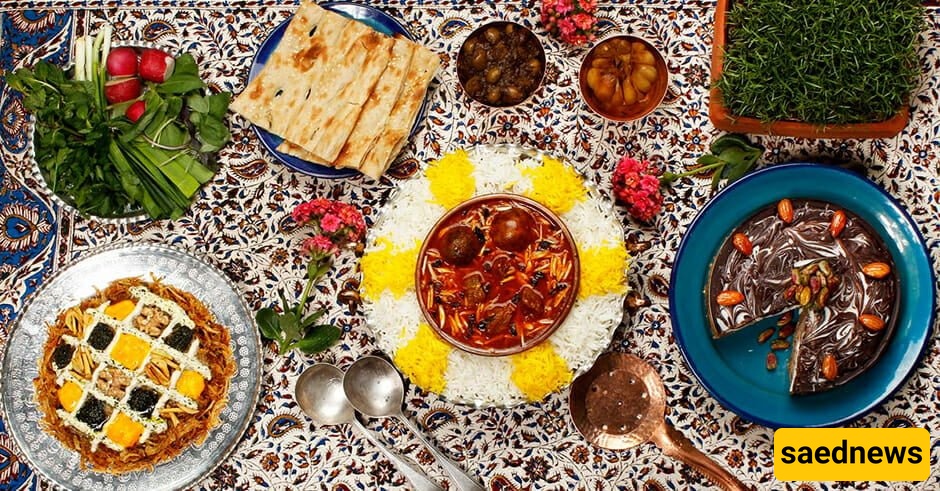
According to Saednews, Khoresh Khalal is one of the most famous and delicious dishes of Kermanshah. It is prepared for special occasions and ceremonies and is served on the table of the hospitable people of western Iran. This stew has a very pleasant aroma and a unique taste due to the use of animal fat (traditional Kermanshahi oil). It is usually served with fragrant Iranian rice prepared with Kermanshahi oil.
Meat (beef or lamb): 400 g
Sliced almonds: 250 g
Medium onions: 2
Dried Persian lime (limoo amani): 2
Barberries: 100 g
Rose water: 4 tablespoons
Salt: as needed
Saffron (dissolved): 1 tablespoon
Black pepper and turmeric: as needed
Oil: as needed
Tomato paste: 2 tablespoons
Cinnamon stick: 1 piece
Cut the meat into small cubes and wash it.
Rinse the sliced almonds and soak them in cold water for about 1 hour to soften.
Finely chop the onions and sauté them in a pot with a little oil.
Once the onions become soft, add turmeric and black pepper and sauté briefly.
Add the meat and fry until its color changes and it is lightly browned.
Add tomato paste and sauté it well to remove its raw taste.
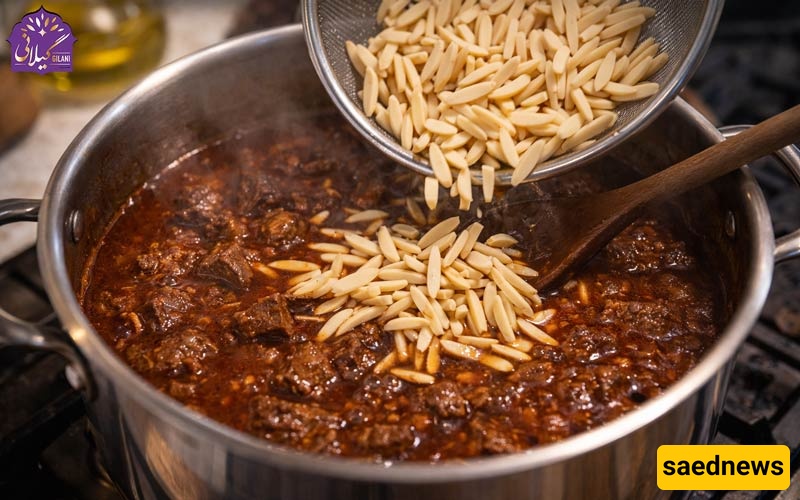
Add a few cups of water and a cinnamon stick. Cover and let the meat cook slowly.
After the meat is cooked, add soaked almonds, saffron, rose water, dried lime, and salt.
Remove the cinnamon stick, reduce the heat, and let the stew simmer and thicken.
Wash the barberries and drain them.
Lightly sauté barberries in butter until they puff up, then add them to the stew.
Let the stew simmer on low heat until it becomes thick and oily.
Serve hot with fragrant Iranian rice.
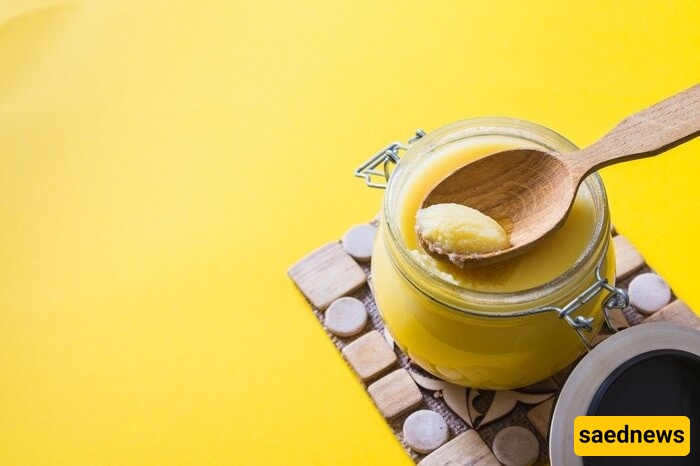
Traditional oil: In Kermanshah, animal fat (Kermanshahi oil) is commonly used for a richer flavor, but regular oil or butter can also be used.
Best meat: Lamb gives the best flavor, but beef, chicken, or turkey can also be used. It can even be made vegetarian.
Color and aroma: Use a cinnamon stick instead of ground cinnamon. Saffron and sautéed tomato paste improve color and aroma.
No bitterness tip: Soak dried limes in water for about an hour and add them near the end of cooking to avoid bitterness.
Barberries: Traditionally, black barberries are used, but red barberries are a common substitute.
Khoresh Khalal requires slow cooking. It should become thick, rich, and well-developed in flavor, with minimal liquid at the end.