SAEDNEWS: Archaeologists Discover 8,600-Year-Old Bread Fragment at the Prehistoric Çatalhöyük Site in Central Turkey
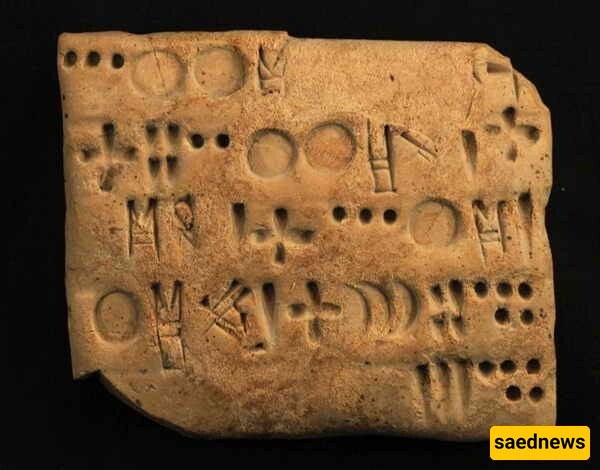
According to Saed News, citing Asr-e Iran, the ancient site of Çatalhöyük is one of the earliest known settlements built by humans, believed to date back around 9,000 years. This settlement consisted of mudbrick houses decorated with symbolic designs, and its population is estimated to have been about 8,000 people. It is therefore considered one of the largest settlements of its time—somewhere between a large village and a small city.
In 2021, archaeologists discovered a kiln-like structure in the area known as “Space 66.” Around this largely damaged oven, remains of wheat, barley, chickpea seeds, and another organic substance believed to be food were found. Scientific analyses later revealed that the sponge-like remains were fermented bread dating back approximately 8,600 years.
Ali Umut Türkcan, head of the excavation committee, stated that when archaeology is mentioned, structures, buildings, and treasures usually come to mind; however, this discovery represents a completely different kind of prehistoric finding.
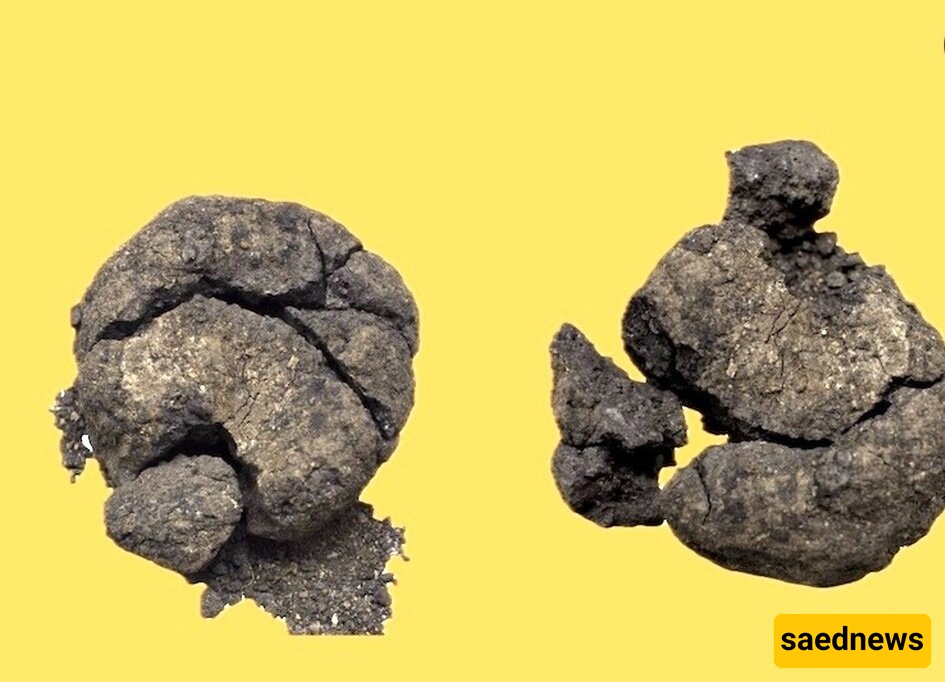
He added that modern archaeology now also includes the study of ancient food. According to Türkcan, “We must say that the starting point of food archaeology is Anatolia. Çatalhöyük is one of the most important sites in this field. It has now been confirmed that the find discovered in 2021 is an organic remain identified through highly precise scientific methods.”
Türkcan further explained that detailed analyses confirmed the small, sponge-like object found in the corner of the oven was bread. The thin clay coating of the structure helped preserve organic materials such as wood and bread remains until today. Radiocarbon testing conducted at the Marmara Research Center dated the sample to approximately 6600 BCE.
He noted that previous evidence of leavened bread was known from ancient Egypt, but the Çatalhöyük discovery predates those findings, making it one of the oldest known examples of bread in the world.
The bread fragment has a small hollow, about the size of a finger, in its center. It was not fully baked but fermented, and its starch composition helped preserve it over millennia.
Çatalhöyük has previously been recognized as a site of many “firsts” in human history. The archaeological site was inscribed on the UNESCO World Heritage List in 2012.