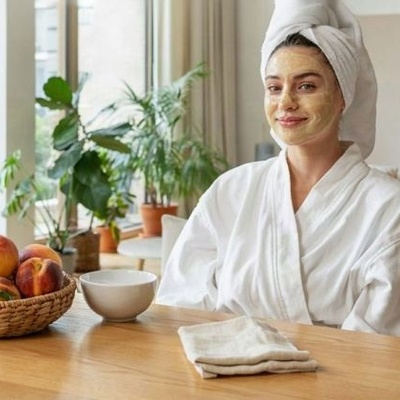
SAEDNEWS: Homemade peach face masks made with natural ingredients can help soften, hydrate, and refresh your skin. Discover several easy peach mask recipes, how to apply them correctly, and essential safety tips for healthy-looking skin.

According to Saednews, Having soft, fresh, and radiant skin is one of the main skincare goals for many people. In recent years, the use of homemade face masks and natural ingredients for skincare has grown significantly.
One of the most popular and pleasantly scented natural masks is the peach face mask. Thanks to its nourishing ingredients and natural hydrating properties, it may help improve the appearance of the skin. Peaches are summer fruits rich in vitamins, antioxidants, and water, making them a popular ingredient in homemade skincare recipes.
A homemade peach face mask is not only simple and affordable but can also be customized for different skin types by combining it with suitable ingredients. However, as with any skincare product, proper application and safety precautions are essential.
In this article, we explore the benefits of peaches for the skin, different homemade peach mask recipes, the correct application method, suitable skin types, and important precautions to help you use this natural skincare treatment safely.
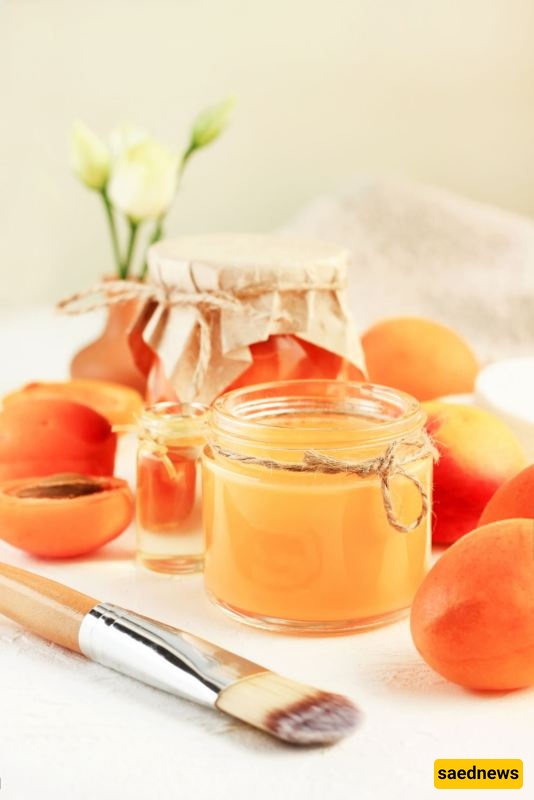
Peaches are juicy, nutrient-rich fruits that contain several beneficial compounds for the skin. However, it is important to remember that a peach face mask is a complementary skincare treatment and cannot replace medical treatments or specialized skincare products.
When used properly, it may help maintain skin softness and freshness.
Peaches contain vitamin C, a well-known antioxidant that may help protect the skin against environmental stressors. They also contain vitamin A, which contributes to maintaining soft and healthy-looking skin.
The high water content of peaches can provide a refreshing sensation and mild hydration when applied to the skin.
Additionally, peaches contain antioxidant compounds that may help reduce the effects of oxidative stress. Some people report that their skin feels softer and looks fresher after washing off a peach face mask.
This effect may partly be related to temporary hydration and the very mild exfoliating properties of ripe fruit.
One of the main reasons peach face masks are popular is the soft feeling they leave behind. Ripe peaches contain water and nourishing compounds that may help moisturize the skin's surface.
When combined with ingredients such as honey, yogurt, or oatmeal, the mask may offer additional skincare benefits.
Honey: Helps retain moisture.
Yogurt: May have a mild effect on skin texture.
Oatmeal: Can be beneficial for sensitive or oily skin.
However, a homemade face mask should not be expected to resolve skin problems overnight. Better results generally come from consistent skincare habits, including daily cleansing, moisturizing, and sunscreen use.
The quality of the ingredients plays an important role in preparing a homemade peach face mask.
Choose a fresh, ripe, and healthy peach. Unripe peaches may be more acidic and could increase the risk of skin irritation.
Before using the fruit, wash it thoroughly and remove the skin and pit.
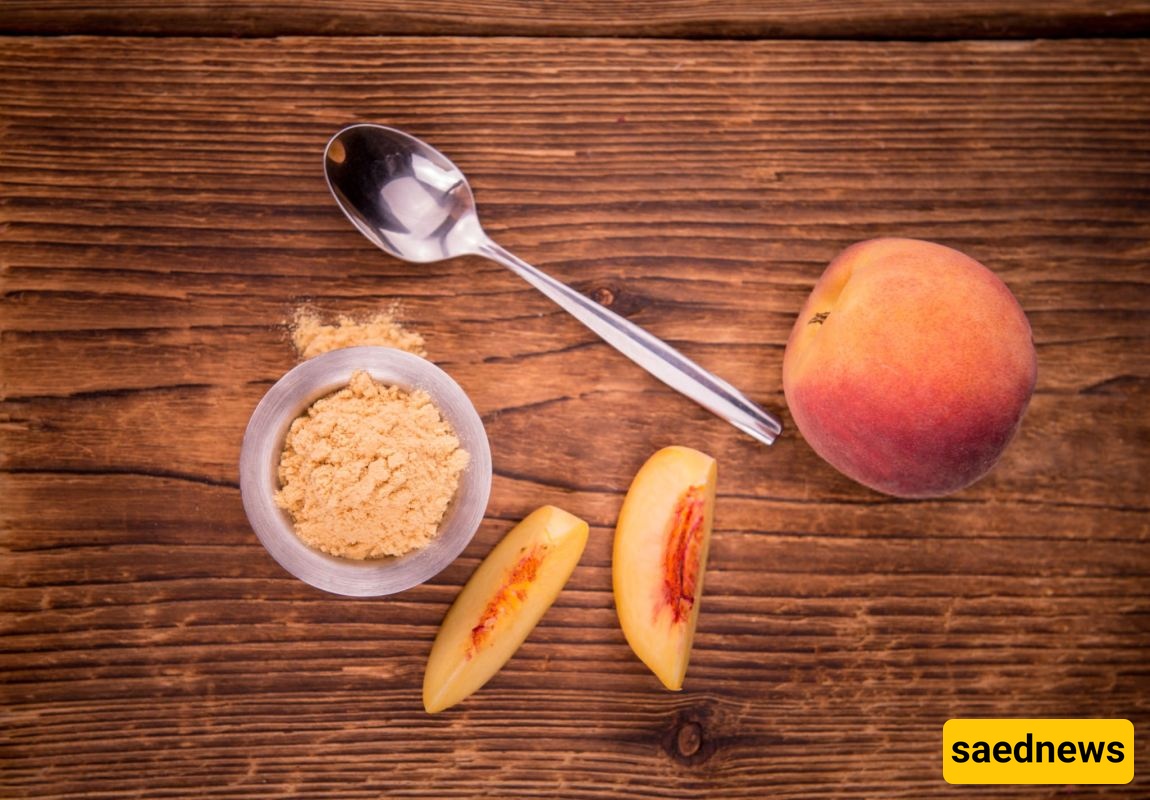
The ideal peach for a face mask should be:
Soft and ripe.
Pleasantly fragrant.
Free from dark spots or signs of spoilage.
Very firm peaches are usually unripe and may contain higher levels of acidic compounds.
Ripe peaches not only smell better but also have a softer texture, making them easier to mash and apply.
Natural honey: Helps retain skin moisture and improves the consistency of the mask.
Plain yogurt: Contains compounds that may help improve skin softness and appearance.
Ground oatmeal: A gentle option for oily and sensitive skin that may help with surface cleansing.
Rose water: Provides a cooling and soothing sensation.
Aloe vera gel: Helps hydrate the skin and reduce the appearance of irritation.
Here are three simple homemade peach face mask recipes. You can choose the version that best suits your skin type.
Always perform a patch test on a small area of skin before applying any mask to your entire face.
This mask is suitable for skin that tends to feel dry or look dull. Combining honey with peach may provide additional softness and hydration.
Ingredients:
Half a ripe peach.
1 tablespoon of natural honey.
1 tablespoon of plain yogurt.
Preparation:
Wash and peel the peach.
Mash it thoroughly in a small bowl.
Add the honey and yogurt.
Mix until you achieve a smooth, consistent texture.
Use the mask immediately and discard any leftovers.
How to use:
Wash your face with a gentle cleanser and pat it dry.
Apply a thin layer of the mask to your face.
Avoid the areas around your eyes and lips.
Leave it on for approximately 10–15 minutes.
Rinse with lukewarm water.
Apply a suitable moisturizer.
This is a lighter version that may be suitable for oily or combination skin. Oatmeal may help absorb excess surface oil.
Ingredients:
Half a ripe peach.
1 tablespoon of finely ground oatmeal.
1 tablespoon of water or rose water.
Preparation:
Mash the peach.
Gradually add the ground oatmeal.
Add water or rose water until you obtain a soft, spreadable paste.
If the mixture is too thick, add a few drops of water.
How to use:
Apply the mask to clean, dry skin.
Leave it on for 10–12 minutes.
Rinse gently without scrubbing or applying pressure.
Follow with a lightweight moisturizer.
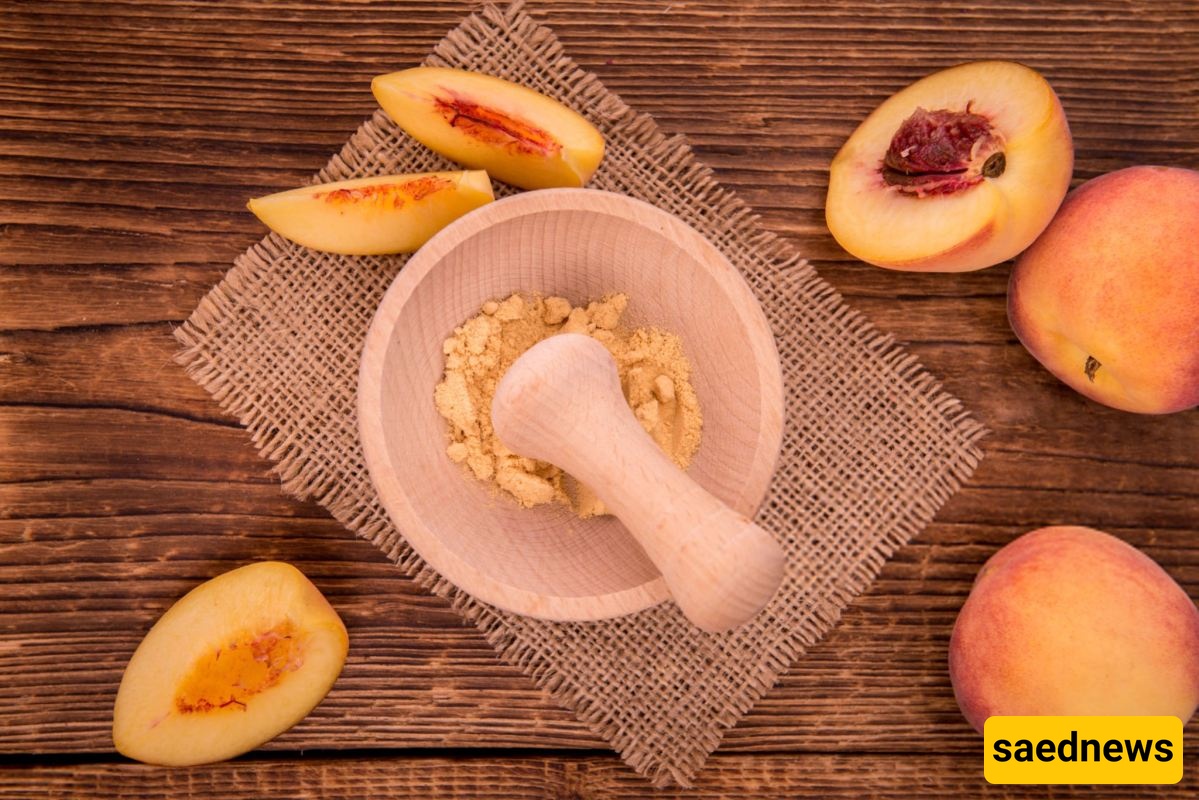
For sensitive skin, keeping the ingredients simple is especially important. This mask combines peach with rose water and aloe vera gel and is intended to be gentler than the other versions.
Ingredients:
One-quarter of a ripe peach.
1 tablespoon of rose water.
1 teaspoon of aloe vera gel.
Preparation:
Mash the peach thoroughly.
Add the rose water and aloe vera gel.
Mix gently until smooth.
Prepare a small amount and use it immediately.
How to use:
Perform a patch test first.
Apply a thin layer to your face.
Leave it on for 8–10 minutes.
Rinse with lukewarm water.
If you experience burning or redness during application, wash it off immediately.
To get the most out of a peach face mask, choosing the right ingredients is not enough. The application method is equally important.
First, wash your hands and cleanse your face. Always apply the mask to clean, dry skin. Applying it over makeup or excess oil may reduce its effectiveness.
Spread a thin, even layer over your face, avoiding the eyes, eyelids, and lips.
If possible, keep the hairline and eyebrows clear so that the mask stays on the facial skin.
Use gentle movements when spreading the mixture. Avoid vigorous rubbing or aggressive massage.
It is generally best to leave a peach face mask on for approximately 10–15 minutes.
For sensitive skin, 8–10 minutes is usually sufficient.
Do not allow the mask to dry completely and pull tightly on your skin, as this may cause dryness and irritation.
If the mask begins to dry during application, you can lightly spray it with lukewarm water or rose water, or simply rinse it off earlier.
Rinse the mask off with lukewarm water using very gentle movements.
Avoid hot water and vigorous rubbing, as both can irritate the skin.
After rinsing:
Gently pat your face dry with a clean, soft towel.
Immediately apply a moisturizer suitable for your skin type.
If you use the mask during the daytime, remember to apply sunscreen before going outdoors.
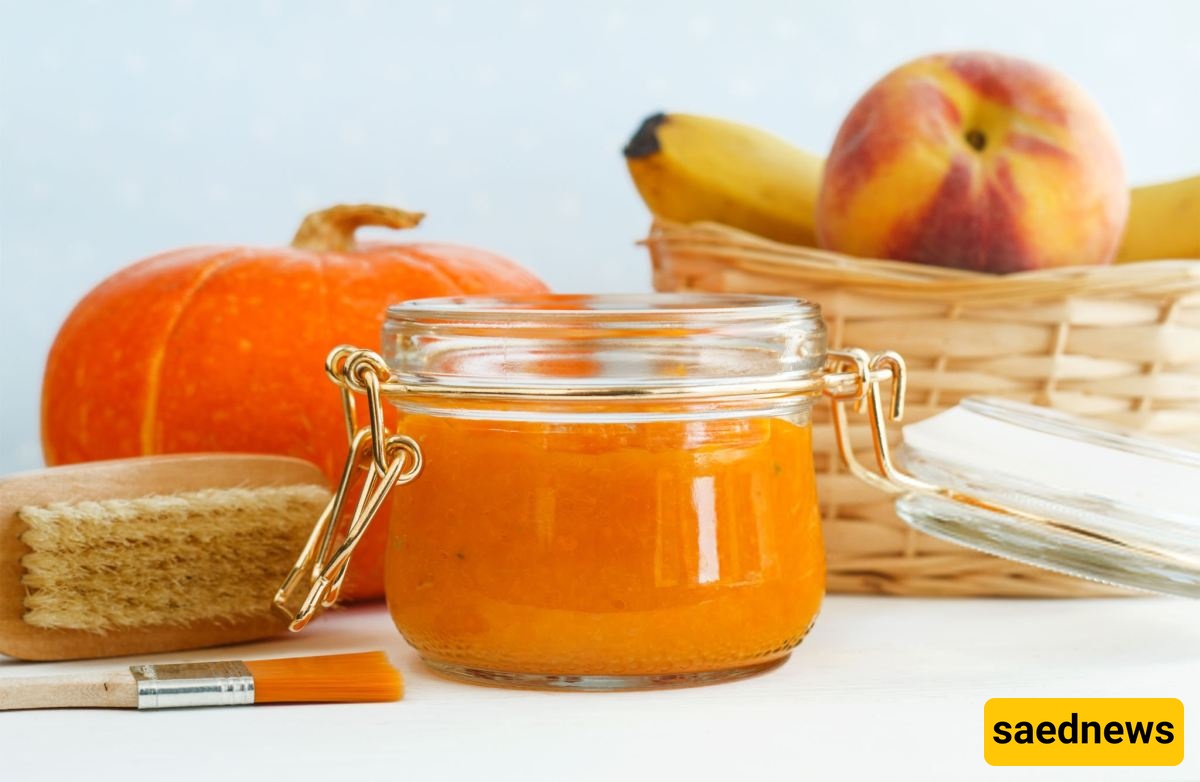
A homemade peach face mask should not be used every day.
For most skin types, using it once or twice a week is sufficient.
If you have sensitive skin, start with once a week and monitor how your skin reacts.
Overusing homemade face masks may cause dryness, sensitivity, or disruption of the skin's natural balance.
Remember that homemade masks are not a replacement for your regular skincare routine. Gentle cleansing, moisturizer, and sunscreen remain the foundation of healthy-looking skin.
Before applying a peach face mask to your face, always perform a patch test.
Apply a small amount of the mixture behind your ear or to the inside of your elbow and wait 24 hours.
If you experience redness, itching, burning, or swelling during this period, do not use the mask on your face.
People who are allergic to peaches or other fruits from the Rosaceae family, such as apricots, cherries, and plums, should take extra precautions.
If you have a history of allergies, consult a healthcare professional before trying this mask.
Peach face masks can be adjusted for different skin types by making small changes to the ingredients.
Dry skin: Combine peach with honey and plain yogurt for additional softness and hydration.
Oily skin: Combine peach with finely ground oatmeal and a little rose water for a lighter consistency that may help absorb excess surface oil.
Combination skin: Use peach, rose water, and a small amount of oatmeal.
Sensitive skin: Combine peach with rose water and aloe vera gel, and leave it on for a shorter period.
Normal skin: A simple combination of peach and honey is generally a gentle option.
In all cases, if you experience burning, persistent redness, or itching after application, rinse the mask off immediately and discontinue use until the symptoms disappear.
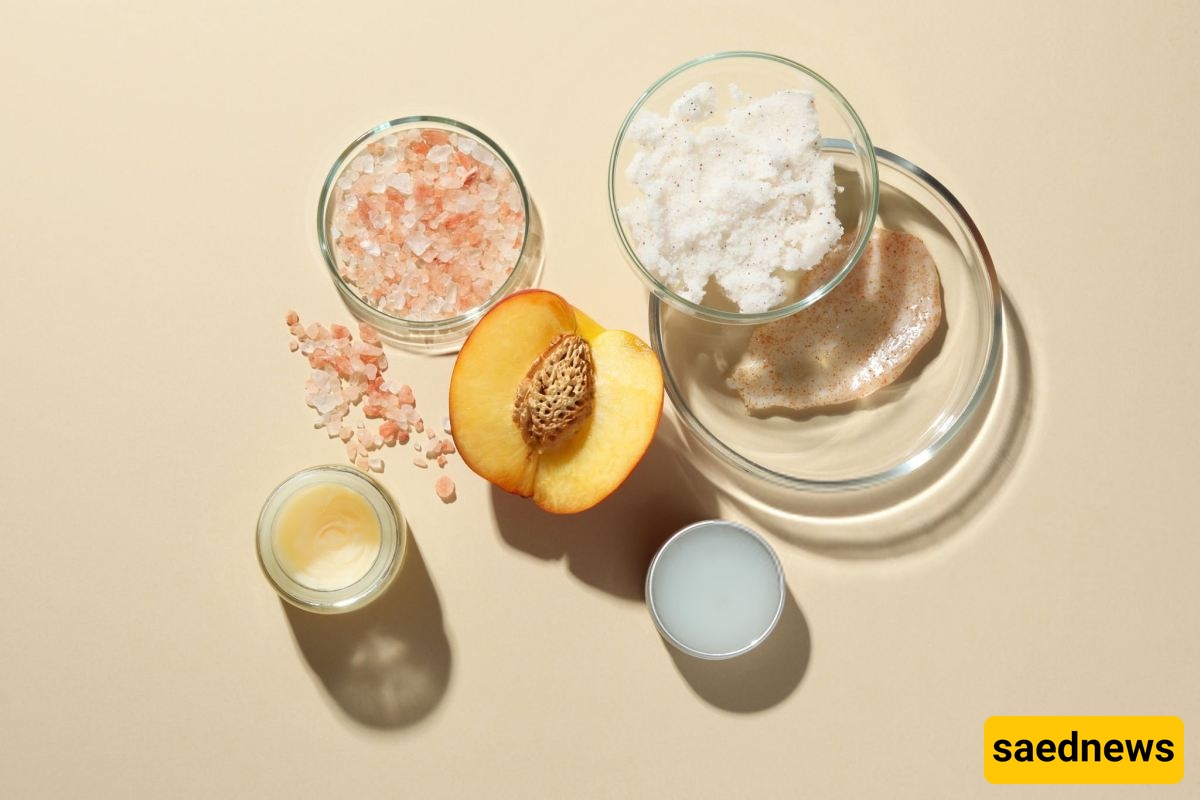
Keep the following safety guidelines in mind before using a homemade peach face mask:
Do not use this mask if you have a known peach allergy.
Avoid applying it to damaged skin, open wounds, sunburn, eczema, or active psoriasis.
Never apply the mask around the eyes, on the eyelids, or on the lips.
If you have extremely sensitive skin, rosacea-prone skin, or severe acne, consult a dermatologist before use.
Do not add lemon juice, cinnamon, baking soda, or toothpaste to the mask, as these ingredients may irritate your skin.
If you are pregnant or using prescription skincare medications, consult your healthcare provider about suitable skincare ingredients.
Never apply the mask to skin that has makeup or has not been properly cleansed.
One of the most common mistakes is using homemade face masks every day or applying them too frequently.
Another mistake is leaving the mask on for too long, which may lead to dryness and irritation.
Some people also add potentially irritating ingredients to achieve faster results or scrub their skin aggressively while washing the mask off.
These practices do not improve skin softness and may instead cause redness and sensitivity.
Finally, expecting miraculous results from a single homemade face mask is unrealistic. Better results are more likely when occasional mask use is combined with a consistent, gentle skincare routine.
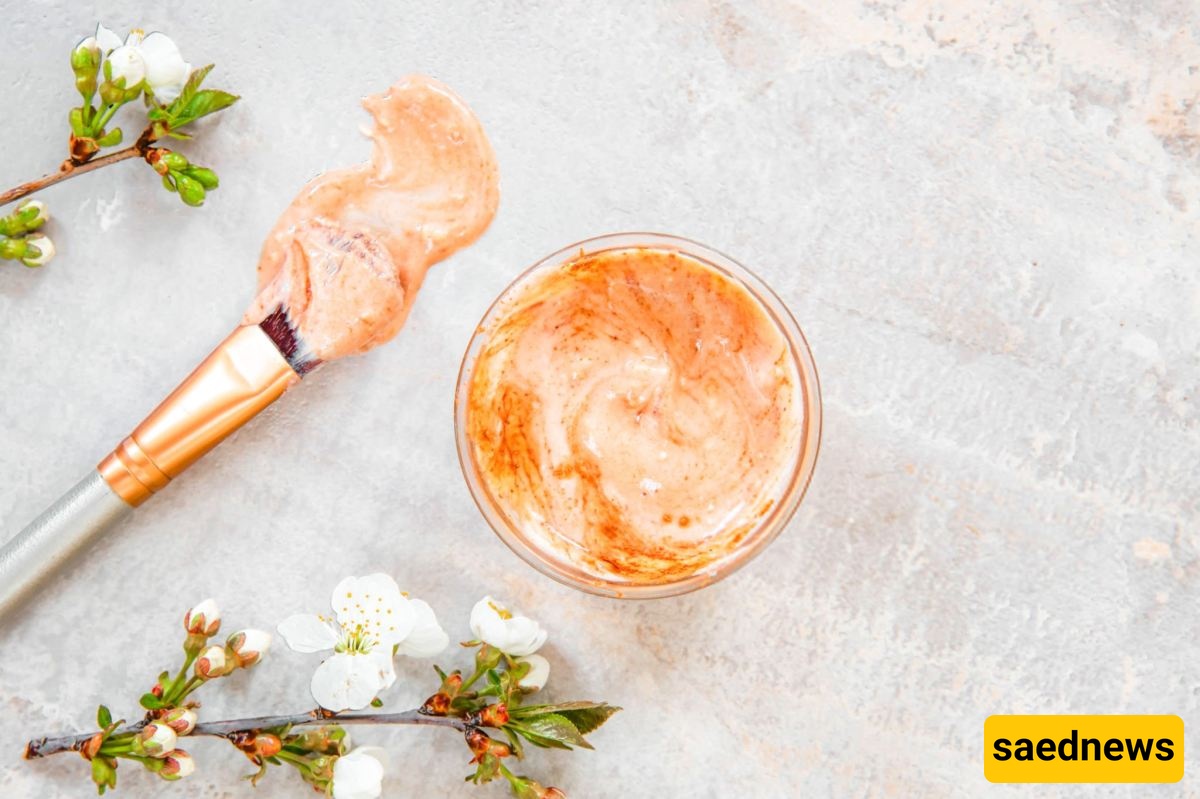
A homemade peach face mask is an easy, affordable way to add a refreshing step to your skincare routine. Rich in water and naturally occurring antioxidants, peaches can help leave the skin feeling softer and looking fresher.
Whether you choose a peach and honey mask for dry skin, a peach and oatmeal mask for oily skin, or a peach and rose water mask for sensitive skin, always prioritize gentle application and proper safety precautions.
For healthy, radiant-looking skin, remember that consistency matters more than quick fixes. Combine occasional face masks with daily cleansing, moisturizing, and sunscreen for the best overall skincare results.